 Get Guardian on Google
• Media, military urged to balance press freedom with operational security
• Plateau proposes recruitment of 7,000 personnel for state police
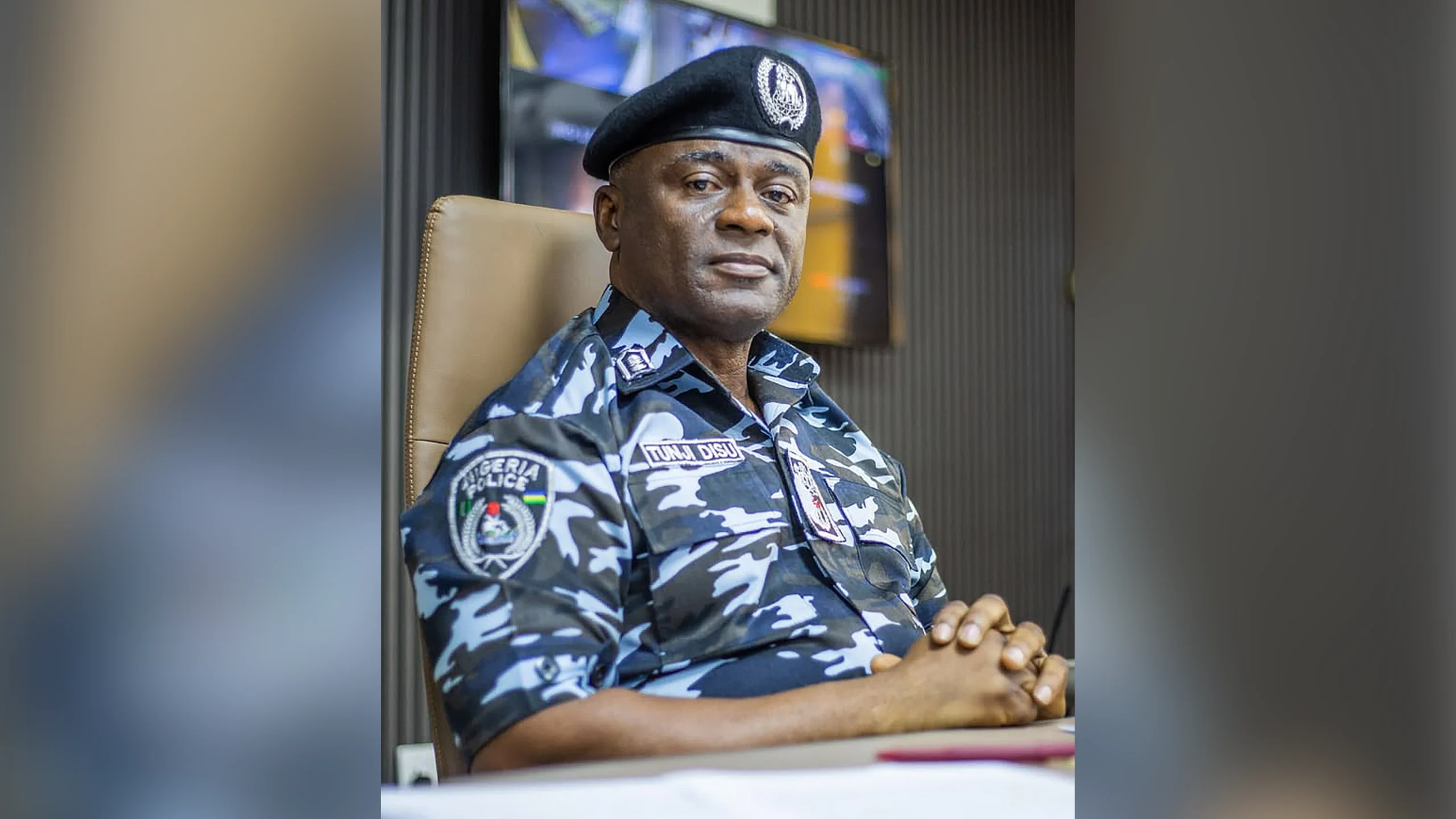
Inspector-General of Police (IGP), Olatunji Disu, has said Nigeria cannot directly adopt the state policing models of countries such as the United States (U.S.), India and Pakistan, insisting that the country must develop a system that reflects its peculiar security and administrative realities.
Meanwhile, the Minister of Information and National Orientation, Mohammed Idris, called for stronger collaboration between the media and security agencies to address the country’s security challenges and safeguard national security.
In Plateau State, the government has proposed the recruitment of between 5,000 and 7,000 personnel for the proposed Plateau State Police Service as part of efforts to strengthen security and tackle rising insecurity across the state.
Disu made the remarks yesterday at the ongoing Media and Development Conference 2026 in Abuja, where he addressed the debate surrounding the proposed establishment of state police in Nigeria.
The police chief described state policing as a futuristic development that requires careful consideration by the Nigeria Police Force (NPF), the National Assembly and other stakeholders to ensure it strengthens security across the country.
He said the police had carried out comparative assessments of countries operating decentralised policing systems but discovered that their circumstances differed from Nigeria’s.
“On the issue of state police, just like the issue of cybercrime, actually, it is a new thing. It’s futuristic.
It’s something that the police, the National Assembly, and even the nation in general are still working on to get involved in the kind of state police that will improve our nation,” Disu said.
According to him, the police examined the state policing arrangements in India, Pakistan and the U.S. but concluded that Nigeria needed a framework suited to its own peculiarities.
The minister, while declaring open the Defence Headquarters Strategic Communication Workshop 2026 in Abuja yesterday, emphasised the importance of responsible journalism, effective communication and the protection of sensitive military information.
The workshop was themed ‘Enhancing Strategic Collaboration Between Spokespersons of Security Agencies and Media Stakeholders for Accurate and Responsible Reportage Towards Improved National Security’.
Represented by the Director-General of Voice of Nigeria, Jibrin Baba-Ndace, the minister said national security was determined not only by operational capacity but also by the quality, accuracy and effectiveness of information communicated to the public.
He noted that although the military and the media had different professional responsibilities, their roles were not incompatible, stressing the need for mutual respect, professionalism and regular communication.
According to him, while the military is responsible for protecting the country and conducting security operations, the media has a duty to inform the public, express diverse perspectives and report matters of public interest.
He urged security agencies to provide timely and credible information, while journalists should ensure accurate reporting, provide context and avoid publishing information capable of endangering lives or compromising ongoing military operations.
The proposal from Plateau was disclosed yesterday by the Chairman of the 14-member Plateau State Advisory Committee on State Police, Deputy Inspector-General of Police, Habila Joshak (rtd) during the presentation of the committee’s interim report to the state government in Jos.
“We propose an implementation roadmap for recruiting between 5,000 and 7,000 personnel, with pilot deployments in flashpoint areas before statewide coverage.
“The proposed recruitment and phased deployment are part of measures to ensure that the service is properly structured and positioned to respond to security challenges across the state,” Joshak said.
According to him, consultations with stakeholders in the Northern and Central zones recorded overwhelming support for the establishment of state police, provided adequate safeguards are put in place against political intimidation, ethnic and religious bias, and human rights abuses.
He said the committee recommended seven major pillars, including a legal framework, zonal and divisional command structures, 24-hour operations, an independent Police Service Commission with a civilian majority, inter-agency collaboration and phased implementation.
Earlier, Secretary of the committee, Julie Sanda, had said, “The committee has spent seven months undertaking research, reviewing security structures and consulting stakeholders across the three senatorial districts and the 17 local government areas of the state.
“We established seven subcommittees to examine different aspects of the proposed state police service and engaged the Plateau State House of Assembly, the Association of Local Governments of Nigeria (ALGON), traditional and religious leaders, women and youth groups, civil society organisations, professional associations and transport unions.”