 Follow Us on Google News



 Follow Us on Google Discover
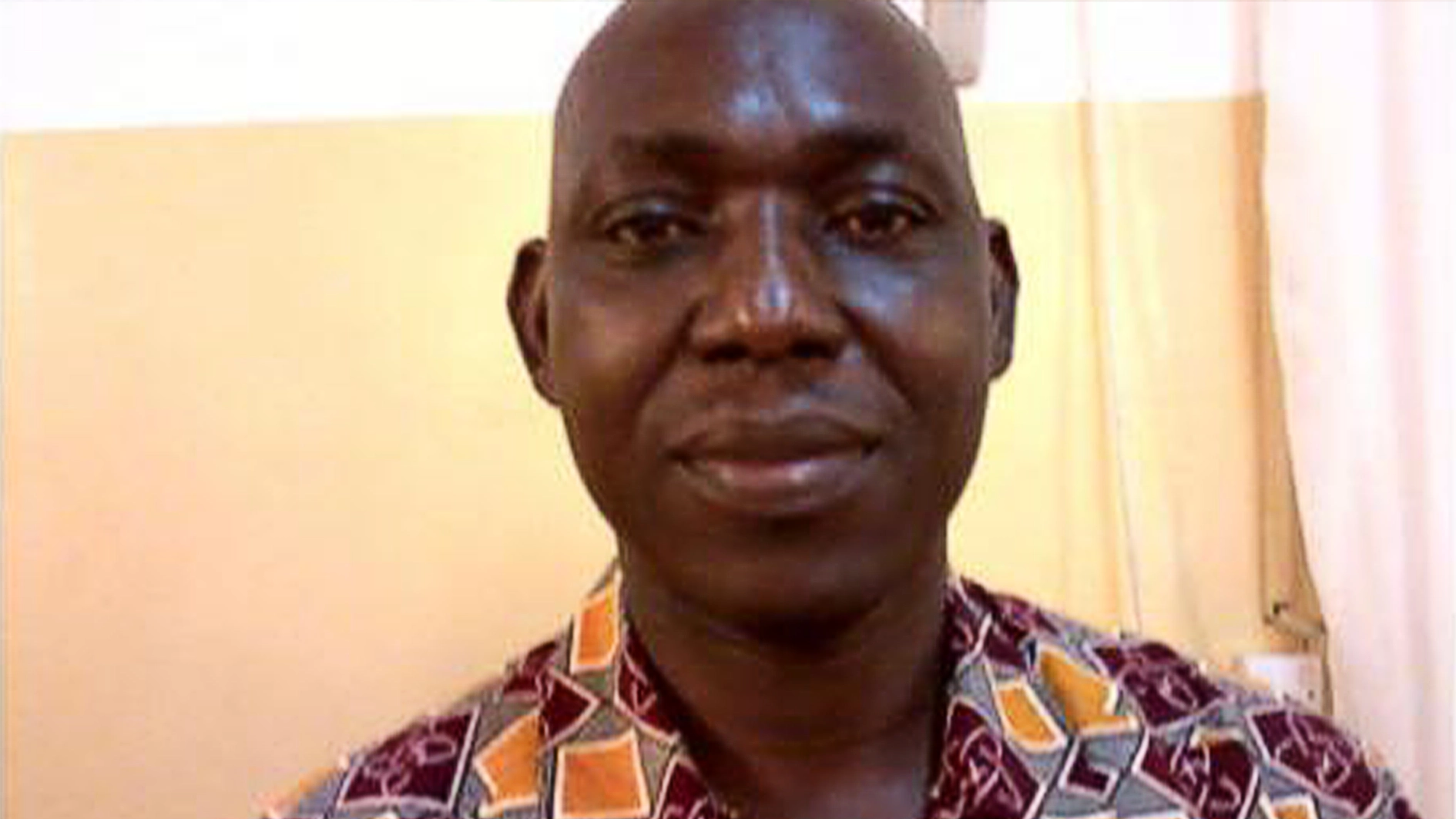
A Former General Secretary of the Nigeria Labour Congress (NLC), John Odah, has criticised organised labour over perceived diminishing influence amid worsening economic hardship.
He urged the movement to reclaim its voice on fuel subsidy removal, rising living costs, and deteriorating workers’ welfare.
Odah, who is now the Executive Secretary of the Organisation of Trade Unions of West Africa (OTUWA), said the labour movement should be at the forefront of articulating workers’ grievances following the removal of the petrol subsidy and the devaluation of the naira, which he said had significantly worsened living conditions across the country.
While speaking at the opening session of the National Executive Council (NEC) meeting of the Non-Academic Staff Union of Educational and Associated Institutions (NASU) in Abuja, he questioned why politicians were increasingly making the case for the return of fuel subsidy while organised labour appeared less vocal on an issue it had opposed for decades.
He warned that labour unions’ inability to sustain a strong public response to economic hardship was raising questions about their relevance and weakening their standing among workers and the wider population.
“What has happened to our voice as organised labour?” Odah asked, expressing concern that Nigerians were paying less attention to the labour movement’s statements and actions.

He argued that fuel subsidy removal and naira devaluation reinforced longstanding trade union concerns about how the policies affect workers’ purchasing power and living standards.
President Bola Tinubu announced the removal of the petrol subsidy on May 29, 2023, triggering a sharp increase in fuel prices and transportation costs, with knock-on effects on food prices, household expenditure and the cost of doing business.
Odah said organised labour, given its institutional experience and historical opposition to subsidy removal, should lead the national conversation on the policy’s consequences and press for measures to protect workers and low-income households.
He recalled that during the administrations of former President Umaru Musa Yar’Adua and later President Goodluck Jonathan, he served as a member and secretary of the NLC committee on deregulation, chaired by NASU General Secretary Comrade Adeyemi, then a deputy president of the Congress.
According to him, the committee produced a comprehensive report on fuel subsidy and deregulation of the petroleum sector, underscoring the labour movement’s longstanding involvement in the debate.
The former labour official said the movement’s present predicament required serious reflection on its strategies, decisions and relationship with the public.
Odah also challenged comparisons between Nigeria’s petrol price increases and those in the United States, saying such comparisons failed to account for differences in economic conditions and workers’ living standards.
He maintained that the central issue was not simply the price of petrol but the cumulative pressure of rising costs on workers whose incomes had struggled to keep pace with inflation.
His remarks come amid persistent concerns that higher transport fares, food prices, and other essential expenses are eroding household purchasing power.
For organised labour, the challenge is to translate workers’ grievances into sustained advocacy and credible negotiations that deliver improvements in wages, social protection, and living standards.
Odah’s intervention suggests that the debate over fuel subsidies has also become a test of labour’s ability to mobilise public opinion and hold the government accountable for the social consequences of economic reforms.
The OTUWA Executive Secretary also questioned aspects of the labour movement’s recent industrial actions, citing the Joint National Public Service Negotiating Council’s declaration of a three-day warning strike scheduled for October 2nd to 4th, 2026.
He said some labour allies had questioned the decision to include Saturday and Sunday in the strike period, raising concerns about the planning and public perception of industrial action.
Odah warned that organised labour had a responsibility to preserve the traditions established by previous generations of union leaders, whose sacrifices helped build the movement’s influence and public standing.
He contrasted the situation in Nigeria with protests over rising living costs in countries such as Portugal, France and Spain, arguing that Nigerian workers and citizens could reasonably question why their own labour movement appeared less assertive despite worsening living and working conditions.

