 Follow Us on Google News


 Follow Us on Google Discover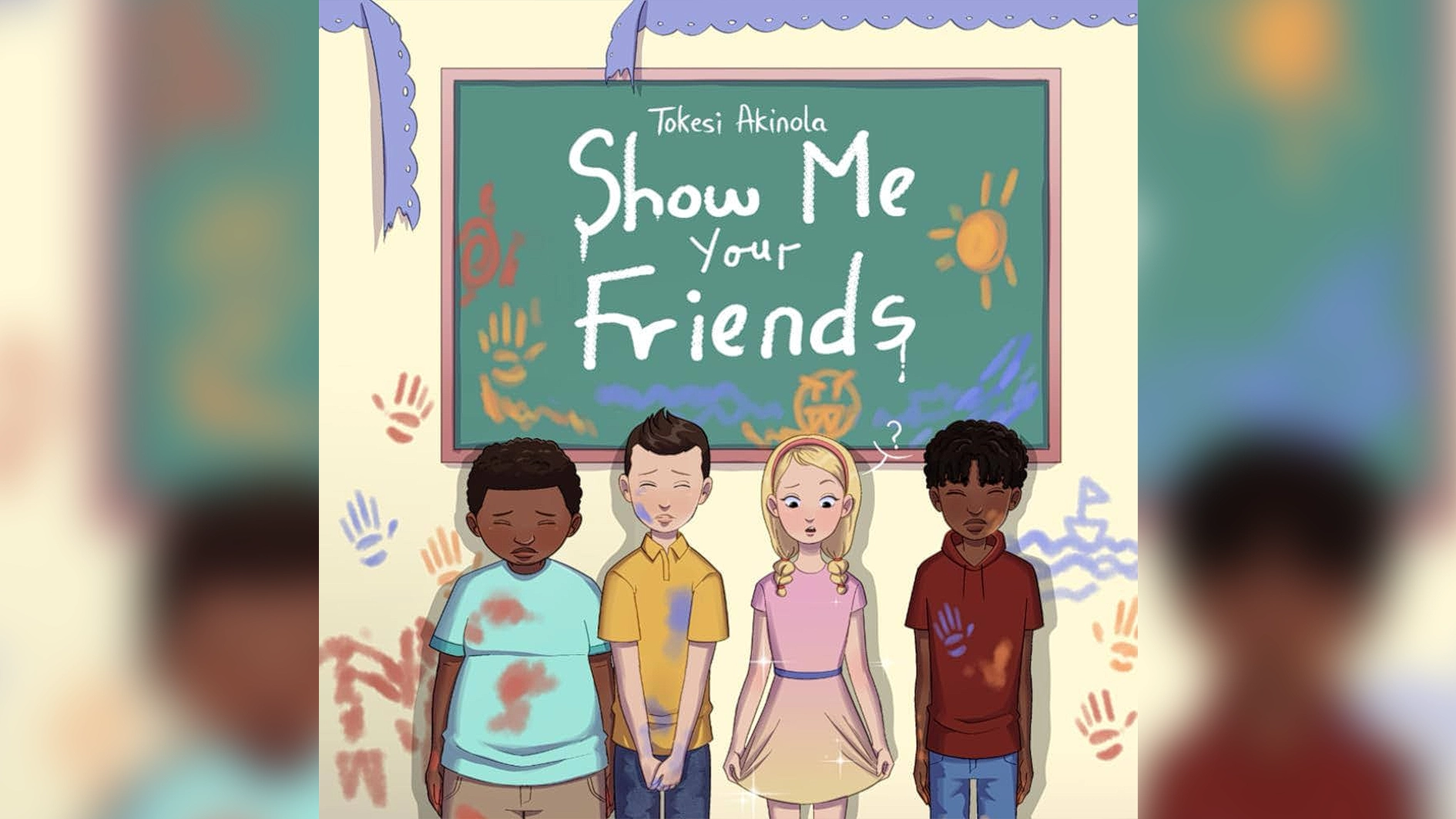
By Deborah Ahenkorah
Show Me Your Friends by Tokesi Akinola invites young readers into a world where friendship, reputation, and honesty take centre stage. Through the adventures of Lucy and her friends Luke, Bill, and Papi, the story brings to life a familiar schoolyard dilemma: how the company we keep can shape our reputation, even when we are not to blame for their choices.
The book’s main theme is embedded in its morals. Children will recognise the playground setting, characterised by loud chattering, which Tokesi describes as “an out-of-tune noise, like a choir singing without harmony.” This paints a clear picture of the lunchtime chaos: the laughter, mischief, pressure to fit in, and the feeling of being misunderstood by adults. Lucy’s situation is not just about “being silly”; she is torn between staying loyal to her friends and facing the consequences of their actions.
This narration shows how children see things: being brave, honesty, and interactions with friends at school.
Naomi Anidi’s illustrations breathe life, expression and vibrant colour to the pages, making the book irresistible to children. Each picture captures the story’s emotions, from Ron’s anger and Papi’s fear after being trapped, to Lucy’s pain when her friends wrongly accuse her.
The visual diversity of the school environment is also vivid, with children of different backgrounds represented naturally within the story. One of the most effective elements of the book is Lucy’s father, Mr Ade. His calm conversation with Lucy provides the clearest articulation of the book’s lesson: friendship is not only about having fun, but also about character, influence, and reputation.

The familiar saying, “Show me your friends, and I’ll tell you who you are,” is presented in a way that young readers can imaginatively reflect on. Another added layer of value is the representation of a minority character named “Ade”. It is culturally relevant amid wider concern regarding representation in children’s books. Department for Education figures show that 38.7 per cent of school-age pupils in England are from minority ethnic backgrounds. Still, another survey by the Centre for Literacy in Primary Education recently found that books with main characters from racial minorities have remained below 30% since 2022.
However, some parts of the plot come across quite strongly, and some readers may need help from adults to distinguish between fair responsibility and unfair blame. Lucy is wrongly accused, and while the book highlights the risk of negative association, it could go further by showing why it’s important for adults to really listen to children before making judgments. This would give even more depth to the story’s themes of justice, honesty, and reputation.
To help children fully engage with these ideas, parents and teachers can play an active role by guiding discussion after reading. They might ask open-ended questions such as “What would you do if you were in Lucy’s place?” or “How do you think Lucy felt when the teacher blamed her for something she didn’t do?” Talking about what is fair or unfair and exploring the reasons behind each character’s actions can help children apply the theme to their own friendships.
The activity pages added value to the book. The critical-thinking prompt, unfamiliar-words list, word search, crossword, maze, and spot-the-difference activities extend the book beyond passive reading and make it useful for parents, schools, and children’s clubs. These pages encourage reflection and help reinforce vocabulary, comprehension, and moral reasoning.
Overall, Show Me Your Friends is a timely children’s book. It offers a clear moral lesson without losing the everyday realities of childhood friendship. Most importantly, it becomes an entry point for children to reflect on character and the kind of people they are becoming.
Recommended for: Children aged approximately 6–10, especially for guided reading with parents or teachers.

