 Follow Us on Google News


 Follow Us on Google Discover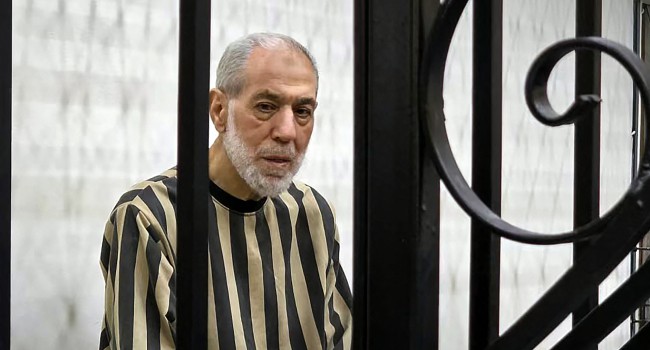
Syria’s reckoning with the Assad era has reached the country’s religious establishment, with a court handing a life sentence to Ahmed Hassoun, the former grand mufti and one of the most prominent religious figures of Bashar al-Assad’s government.
The 77-year-old cleric was convicted on Monday of multiple offences, including inciting civil war and sectarian violence, in what marks the first reported sentencing of a senior religious figure since Syria’s new authorities began prosecuting officials linked to the former regime.
Hassoun was not a minor figure during Assad’s rule. He served as Syria’s top Muslim cleric for 16 years, frequently appearing alongside Assad at religious and official events and becoming closely associated with the former government.
The court, presided over by Judge Fakhr al-Din al-Aryan, found Hassoun guilty of several charges, including incitement to intentional homicide, complicity in intentional homicide and encouraging sectarian and racial conflict.
Alongside the life sentence for inciting civil war and sectarian strife, he received additional prison terms ranging from three to 20 years for other offences. The court also ordered that his assets be confiscated and transferred to the state treasury.
Hassoun’s conviction is significant not only because of his former position, but because it shows that the post-Assad authorities are widening their legal pursuit beyond military and security officials to figures who played influential roles within the former political system.

The former cleric was arrested in March last year at Damascus airport while reportedly attempting to leave the country. Born in Aleppo into a religious family, Hassoun inherited a prominent clerical legacy from his father and eventually rose to Syria’s highest Islamic religious office. He remained grand mufti until 2021, when the Syrian government abolished the position.
His sentencing comes as Syria continues a broader effort to hold former Assad-era figures accountable for crimes committed during the country’s devastating civil war.
The new authorities have already handed down severe sentences against several former regime figures. On August 11, former president Bashar al-Assad, his brother Maher and five other security officials were sentenced to death in absentia over alleged atrocities committed during the conflict.
Other members of Assad’s extended family, including Atif Najib and Wassim al-Assad, have also received death sentences after being tried in person. The legal campaign has nevertheless attracted concern from international human rights organisations, particularly over the use of the death penalty and questions surrounding the independence and fairness of the proceedings.
Human Rights Watch has warned that convictions alone cannot deliver justice for the enormous catalogue of abuses committed during the war, arguing that Syria needs a judicial system capable of providing impartial and independent trials.
The stakes are enormous. Syria’s conflict, which erupted in 2011 after the brutal suppression of pro-democracy protests, killed more than half a million people and displaced millions, while tens of thousands remain missing.
Now, as the country attempts to confront the legacy of those years, the conviction of Assad’s former grand mufti sends a powerful message: the post-Assad reckoning is reaching deeper into the institutions that helped define the old order.

