 Follow Us on Google News
 Follow Us on Google Discover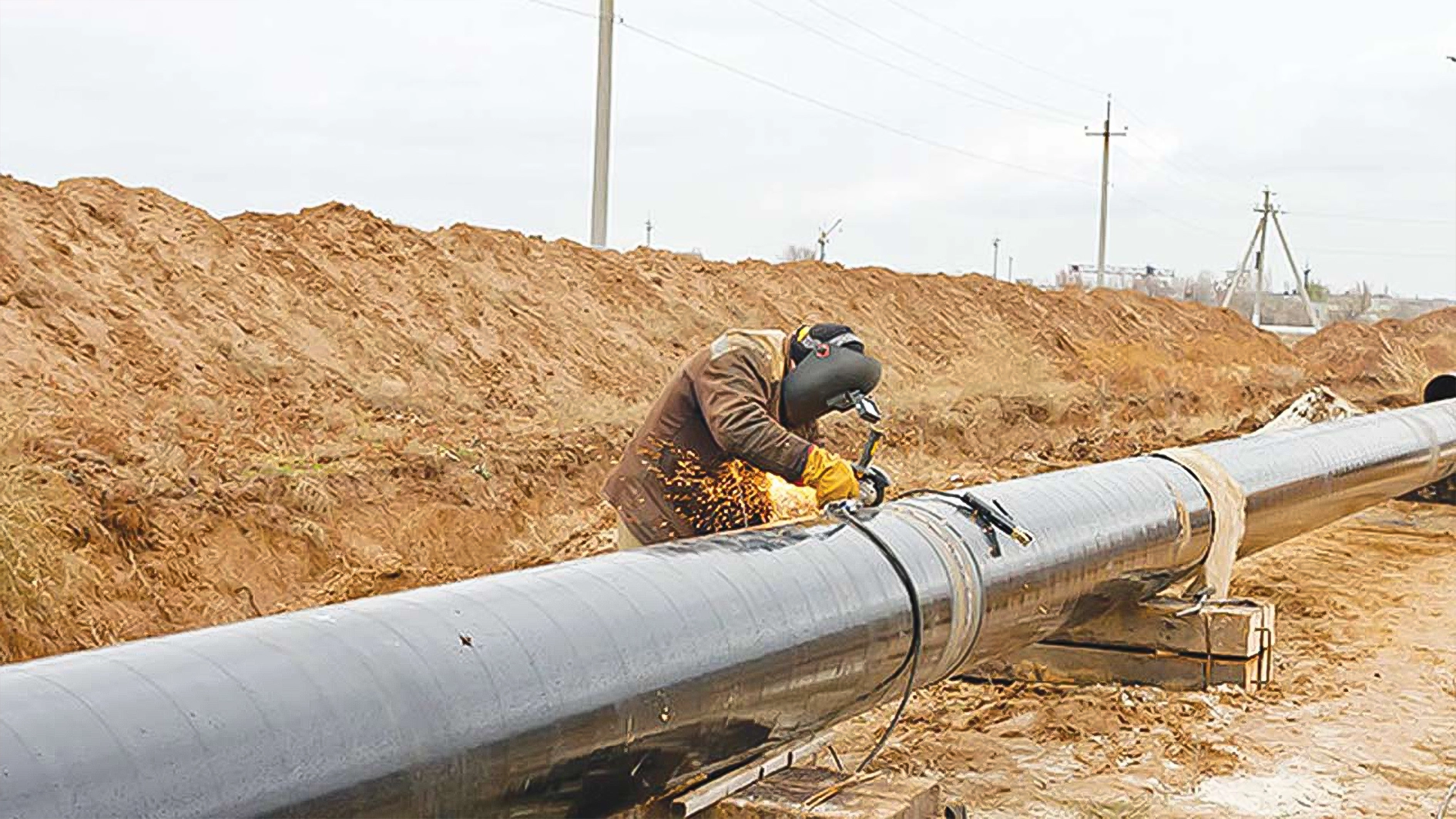
The Economic Community of West African States (ECOWAS) has endorsed the African Atlantic Gas Pipeline Project, also known as the Nigeria-Morocco Gas Pipeline, after member states signed the Inter-Governmental Agreement (IGA), advancing the cross-border gas infrastructure project execution.
The agreement was signed during the 69th Ordinary Session of the Authority of Heads of State and Government of ECOWAS in Lungi, Sierra Leone.
Nigeria’s delegation was led by Vice President Kashim Shettima, who represented President Bola Tinubu, while the Minister of State for Petroleum Resources (Gas), Ekperikpe Ekpo, described the signing as a significant milestone for regional energy cooperation.
The African Atlantic Gas Pipeline is a proposed 6,900-kilometre offshore and onshore pipeline designed to transport up to 30 billion cubic metres of natural gas yearly from Nigeria through 13 West African countries to Morocco. It has an onward connection to Europe.
The project is expected to improve energy access, strengthen regional energy integration and stimulate industrial as well as economic growth across the corridor.
According to Ekpo, the agreement reflects the commitment of ECOWAS member states to strengthening regional energy security, deepening economic integration and expanding the utilisation of natural gas across the region.

The minister said the project would provide a platform for Nigeria to monetise its vast gas resources, broaden export opportunities and support industrial development across participating countries.
“For Nigeria, this is particularly important because we hold approximately 215.19 trillion cubic feet of proven natural gas reserves, the largest in Africa, and we see gas as a central pillar of our economic transformation, industrialisation and energy security strategy.
“This agreement gives further momentum to our ambition to move from being merely a gas-rich country to becoming a gas-powered economy and a dependable regional and global energy partner,” he said.
Ekpo added that the pipeline would catalyse investment, create jobs and support power generation, fertiliser production, petrochemicals, manufacturing and other gas-based industries in countries along the route.
He also reaffirmed the Federal Government’s commitment to expanding gas production, developing critical infrastructure and maximising the value of Nigeria’s gas resources through increased domestic utilisation and strategic exports.

