 Follow Us on Google News



 Follow Us on Google Discover
Renewed port corridor congestion costs operators N100b
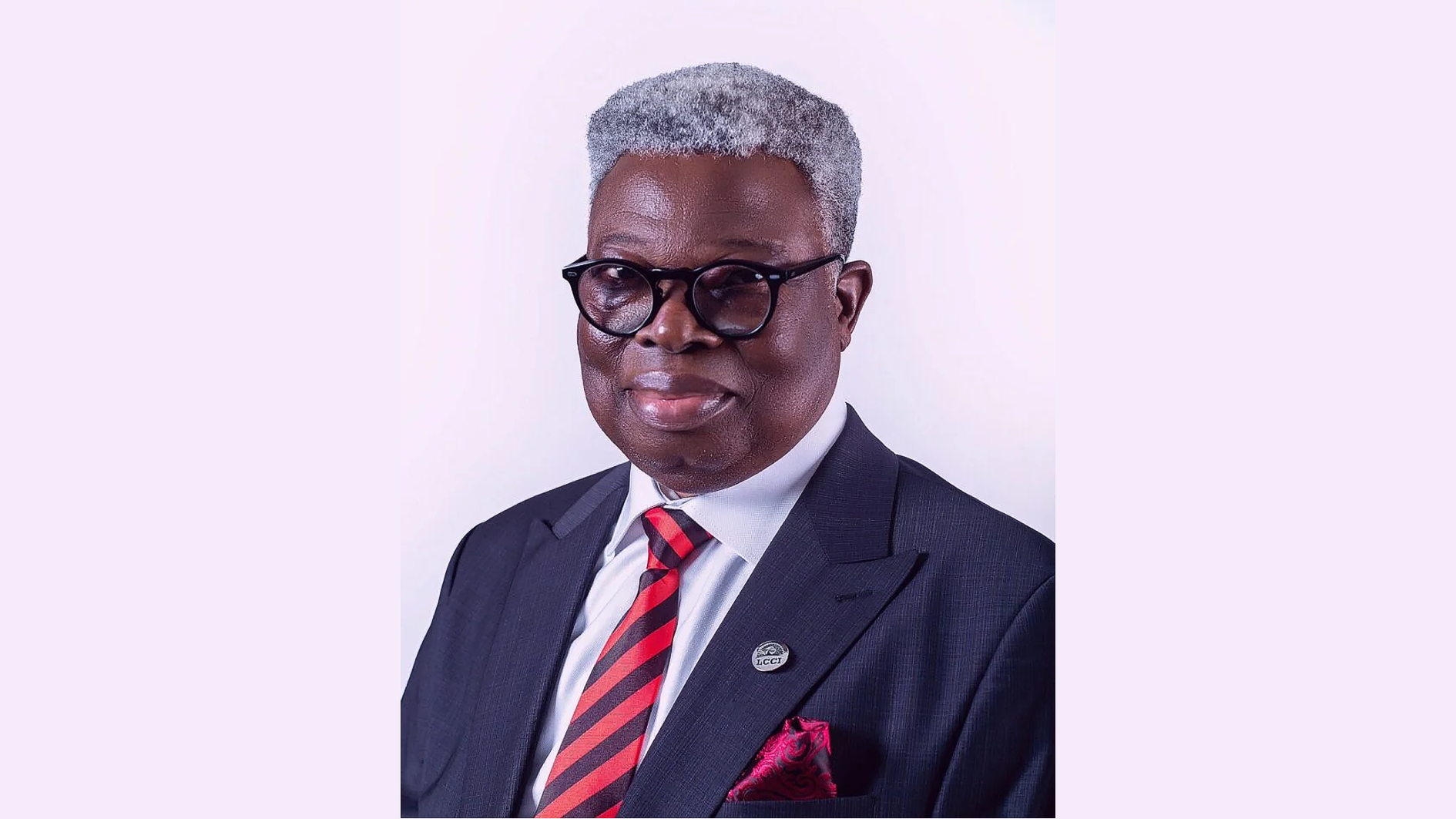
President, Lagos Chamber of Commerce and Industry (LCCI), Leye Kupoluyi, has said that businesses are still burdened and overwhelmed by numerous taxes and levies, about 10 months after the new tax laws were supposedly meant to consolidate over 100 sub-national taxes.
The consolidation bid aimed to compress multiple taxes and levies into nine revenue heads, abolish revenue roadblocks, and ban cash collection, with penalties of up to N5 million or three years’ imprisonment for offenders.
However, instead of a decrease in multiple taxation, Kupoluyi lamented that new levies, especially from non-state actors, have risen.
Speaking with journalists about the state of the economy and business environment, he drew on the Central Bank of Nigeria (CBN) ‘s September 2026 Business Expectations Survey, in which firms ranked high and multiple taxation as their most pressing constraint, ahead of insecurity and interest rates.
He regretted that, despite promises made to businesses and manufacturers regarding the consolidation of taxes and levies, as well as improved ease of doing business, the promises are yet to see the light of day, as taxation has increased while the business operating environment remains harsh and unfriendly.

He pointed out that manufacturers in Apapa have reported that their trucks are still stopped by several state agencies and non-state actors between the ports and their factories.
“Operators estimate that renewed congestion on the port corridor has cost them about ₦100 billion so far. This is unacceptable.
“We call on the Joint Revenue Board and state governments to publish a consolidated schedule of lawful levies for each state, to prosecute illegal collectors visibly under the new penalties, and to establish a tax ombudsman. We also support a single consolidated bill for port-related charges and a no-tout zone across Lagos industrial and port areas,” he said.
Also lamenting contractor arrears and delays in capital releases, he revealed that last year, only N1.21 trillion of the N13.89 trillion capital budget was released between January and September, an execution rate of 8.7 per cent.
“The 2025 capital component has since been extended for the third time, and the N68.32 trillion 2026 budget had not fully begun implementation as of July. Unpaid contractors are cutting jobs and defaulting on bank loans, and the effects are spreading to suppliers in construction, manufacturing, and services.
“We call on the Federal Ministry of Finance and the Office of the Accountant-General of the Federation to publish a verified schedule for clearing contractor arrears, to release 2026 capital funds on a predictable quarterly timetable, and to publish quarterly budget implementation reports with project-level key performance indicators (KPIs),” he said.
Regretting the rising insecurity in the country, which he said remained a significant threat to enterprise development, agricultural productivity and investment, he said businesses incurred additional costs through private security arrangements, disruptions to transportation, higher insurance expenses and the need to modify supply chains.
In agricultural areas, he said, insecurity can constrain cultivation, harvesting and the movement of produce to markets.
“We urge government to strengthen security across farming communities, industrial corridors, transportation routes and commercial centres. Security is not only a national priority; it is also a prerequisite for productive investment and economic competitiveness.”
He stressed that the private sector needs a predictable policy environment in which businesses can make long-term investment decisions with reasonable confidence.
Frequent changes in rules, inconsistent implementation, overlapping mandates and inadequate consultation, he said, can discourage investment even where the underlying policy objective is legitimate.
He encouraged the government to deepen consultation with the organised private sector before introducing major policy changes that affect production, trade, taxation and investment.
“Equally important, government should publish implementation plans, clarify responsibilities among agencies and establish mechanisms for tracking outcomes. Nigeria does not lack economic policy proposals.
The greater challenge is often the consistent execution of policies that reduce business costs and expand productive capacity,” he said.

