 Follow Us on Google News


 Follow Us on Google Discover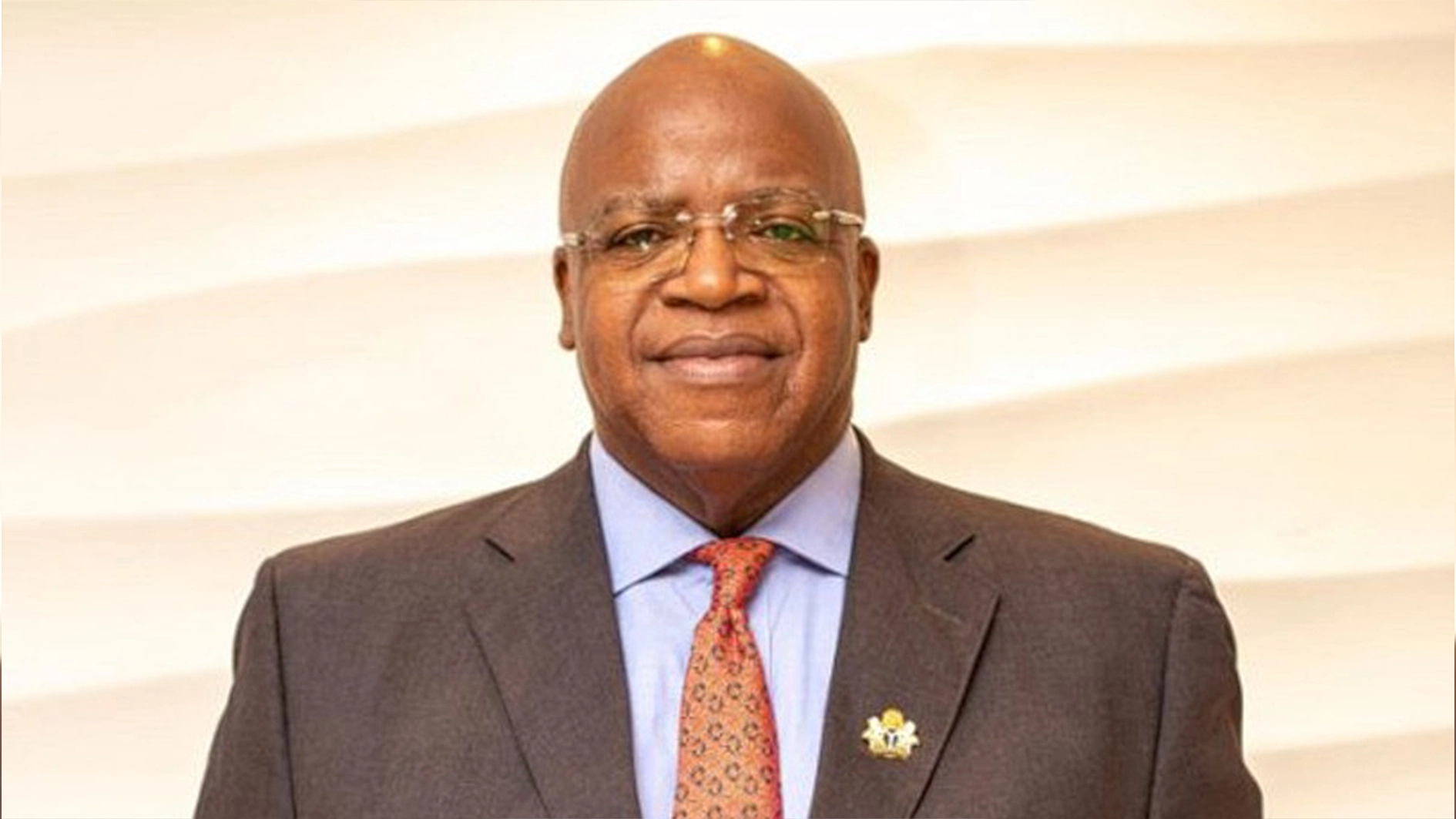
Nigeria risks missing out on the huge employment opportunities expected in the global aviation industry as the prohibitive cost of training pilots and other technical personnel continues to restrict access to the profession, an aviation expert has warned.
The Chief Executive Officer of Palewater Advisory Group Africa, Alex Nwuba, told The Guardian that the high cost of aviation training was shutting out potential professionals while those who had obtained licences were struggling to gain the practical experience required for employment.
He said Nigeria, despite its population of more than 200 million and potentially large pool of young talent, was failing to position itself to benefit from the projected global shortage of aviation professionals.
Nwuba was reacting to Boeing’s projection that the global aviation industry would require about 674,000 new pilots over the next 20 years, alongside hundreds of thousands of aircraft technicians and cabin crew.
He said Nigeria should ordinarily be positioned to supply a significant share of the workforce required to meet growing global demand, but noted that the country’s aviation manpower development system was failing at both ends.
According to him, aspiring aviation professionals were being priced out of training, while those who managed to obtain licences were struggling to secure the opportunities needed to build experience and qualify for employment.

“Those we’ve trained cannot get a job. Those who need training cannot afford it, here or abroad. I don’t say Nigeria will never fill the gap out of pessimism. I say it because I have watched the pipeline fail from both directions and neither end is being fixed,” he said.
Nwuba said the problem began at the entry point, noting that the Nigerian College of Aviation Technology (NCAT), Zaria, and private academies now charge upward of N20 million for a licence.
In a country where such an amount is beyond the reach of most families, he said the cost was effectively turning aviation into an industry accessible mainly to the wealthy.
Nwuba said Nigeria needed to rethink its approach to aviation training by developing more affordable and flexible routes into the profession.
He pointed to the United States, where aspiring pilots could begin their careers through general aviation, flying clubs, smaller airports and instructor-led routes without necessarily committing huge sums before accumulating flying hours.
According to him, the availability of such alternative pathways had helped create aviation workforce pipelines in countries with developed general aviation sectors.
He noted, however, that even the United States continued to face a shortage of pilots despite having a relatively accessible general aviation ecosystem.
Nwuba therefore called for the revival and proper funding of flying schools in Nigeria, as well as the development of organised time-building programmes that would enable newly trained pilots to accumulate experience at affordable costs.

