
 Get Guardian on Google
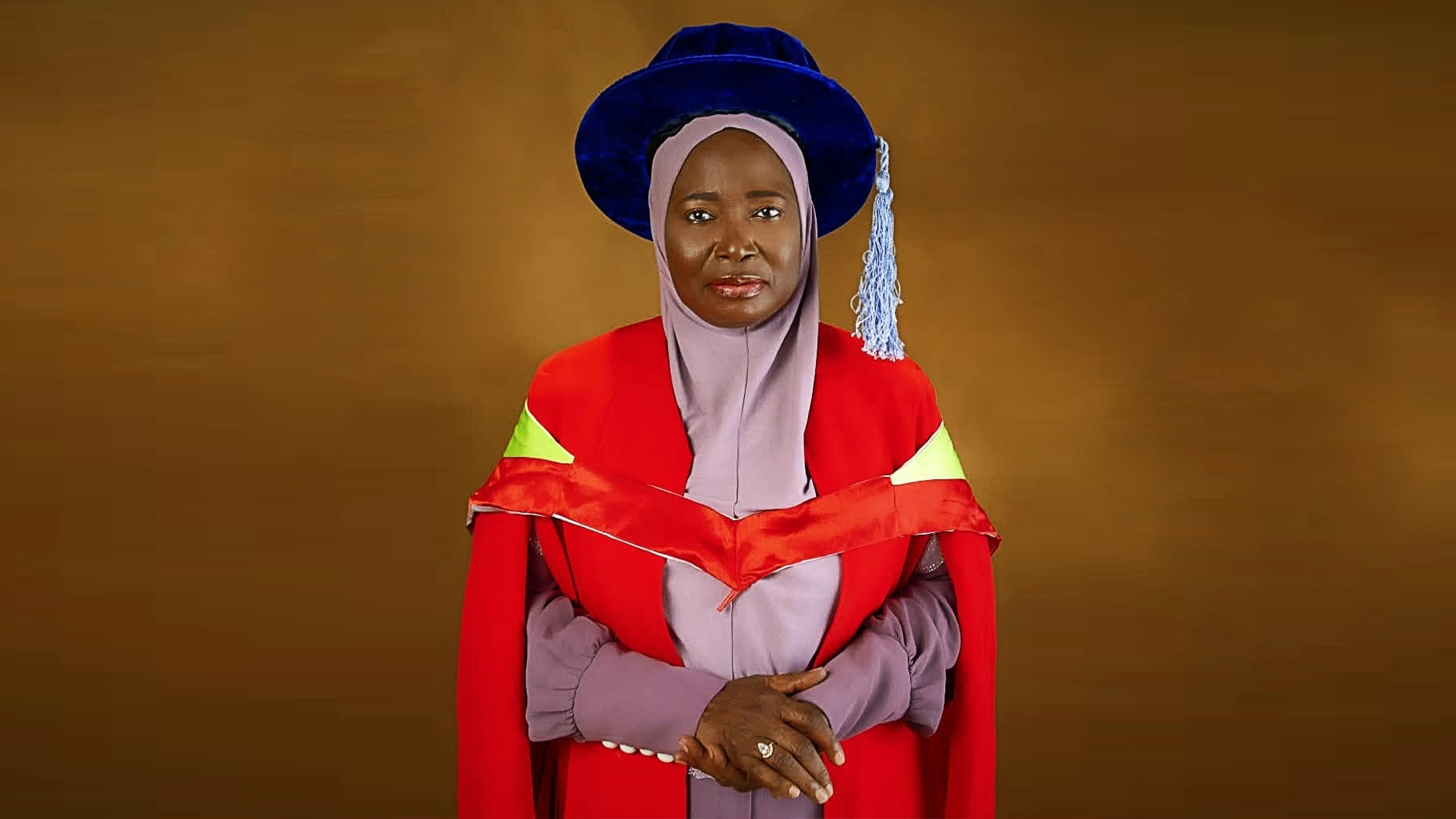
A Professor of Language Education at Fountain University, Osogbo, Osun State, Serifat Olubunmi Labo-Popoola has called for a stronger and more inclusive English language learning ecosystem, stressing the need for improved school conditions, quality teaching, positive learner behaviour and effective use of digital technology.
She said educational achievement should not be viewed as the product of classroom instruction alone but as the outcome of several interconnected factors involving teachers, learners, school environments, technology and government policies.
Labo-Popoola made the call while delivering the ninth inaugural lecture of Fountain University, titled “Inside the English Learning Ecosystem: The Combined Power of Schools, Teachers, Learner Behaviours and Digital Tools,” at the university auditorium on Thursday.
The professor, who is of the Department of Arts and Social Science Education, College of Arts and Education, explained that her years of research had established that students’ academic performance was influenced by a combination of school conditions, teacher attributes, motivation, study habits and access to learning resources.
She said, “The body of scholarship presented in this lecture demonstrates that English Language Education is a complex and an interconnected enterprise. Student learning and achievement are not products of classroom instructions alone; they emerge from the interaction of human and non-human materials, technology and policy.”
According to her, the findings of her research showed that having qualified teachers and well-equipped schools did not automatically translate into improved learning outcomes without motivated learners and effective study habits.
She noted that students who were motivated performed substantially better in English Language, while studies on junior secondary school pupils revealed that a significant number had ineffective study habits.
She noted that students who were motivated performed substantially better in English Language, while studies on junior secondary school pupils revealed that a significant number had ineffective study habits.
On the role of technology in education, Labo-Popoola observed that although many teachers possessed internet-enabled phones, only a few used them for instructional purposes.
She attributed the situation partly to inadequate ICT facilities in schools, poor access to internet services, unreliable electricity supply and teachers’ limited enthusiasm for technology-supported instruction.
She said the presence of technology did not automatically translate into effective teaching, adding that teachers remained central to ensuring that digital tools supported meaningful learning.
The professor also examined the relationship between language, educational access and social development, highlighting the challenges confronting children from poor households, particularly girls who were exposed to child labour, early marriage and teenage pregnancy.
She stressed that providing access to schools was not enough, arguing that government and other stakeholders must address the social and economic barriers preventing vulnerable children from benefiting fully from education.
On mother-tongue instruction, she explained that strengthening children’s indigenous languages could provide a solid foundation for learning English rather than undermine their proficiency in the language.
According to her, research findings from the Ife-Six-Year Project showed that children taught in their home language during the first three years of schooling subsequently performed better in English language tests.