

 Get Guardian on Google
While government intensifies political activities ahead of the 2027 general elections and pushes for renewed oil production in Ogoniland, communities such as Bille in Degema Council, Aleto in Eleme, Kula in Akuku-Toru and Kpean in Khana Council remain trapped in environmental degradation, hunger, insecurity and loss of lives. With years of promises of remediation yet to translate into lasting relief for many affected residents, the widening gap between the country’s oil wealth and the hardship of its host communities raises fresh questions about environmental justice, government priorities and the value placed on human lives, ANN GODWIN writes.
On September 3, 2026. The time was bout 8:00am. The atmosphere was serene with people moving about in Bille community, Degema Council of Rivers State freely.
For Joy Amos, the day seemed perfect. She was resting in her room at No. 18, Opu Ibiila Community, when what appeared as disturbing gas emissions and bubbling beneath the ground eventually erupted into a devastating explosion. The blast shattered the windows and set part of the building ablaze. The explosion left Joy with severe burns and was initially taken to a private clinic in Bille, where she received treatment for about nine days.
When her condition was not improving, however, she was moved to Port Harcourt on September 12 for further medical attention. Sadly, after weeks of treatment, Joy died on September 22, 2026.
Joy’s tragic experience in Bille Kingdom was linked to persistent gas seepage and bubbling that had affected the community since October 2025.
Joy’s case in Bille gas leakage is, however, not an isolated environmental disaster. Today, her death is a painful reminder of the human cost of environmental pollution in the Niger Delta, where communities sitting on enormous oil and gas wealth continue to grapple with deadly emissions, oil spills, contaminated water, deteriorating health and the destruction of livelihoods.
On October 15, 2026, at least 20 people were also reportedly injured, while several houses and properties were damaged following a gas pipeline explosion in Aleto community, Eleme Council of Rivers State. Even as the Federal Government has continued to intensify political activities ahead of the 2027 general elections, including efforts to secure the resumption of oil production in Ogoniland. However, residents of some oil-bearing communities including Bile, Eleme, Kula and Kpean in Rivers State are battling a more immediate struggle for survival.
Several victims were rushed to hospitals for treatment, while stalls, a mechanic workshop and vehicles parked within the workshop were among the properties destroyed by the inferno.
 More disturbing were reports that the pipeline had been leaking for about three weeks before the explosion. Community leaders said, they raised the alarm over the danger posed by the leakage, but nobody listened to them and no preventive measures were taken before the incident occurred.
This incident reinforced concerns about the consequences of ignoring early warnings in communities hosting critical oil and gas infrastructure.
The human cost of these environmental and resource-related conflicts was further underscored on October 23, when 10 people were reportedly killed after a boat capsized during a confrontation over the removal of an oil vessel in Kula Kingdom, Akuku-Toru Council of Rivers State.
The incident followed an alleged oil spill in the area and the subsequent seizure of an Ibeto-linked crude vessel, identified as Anambra Basin FSO, alongside tugboats by members of the community.
Latest inquiries, as at October 30, indicated that top military personnel were making efforts to broker peace between the aggrieved community and the vessel owners. However, there have been concerns about the absence of publicly known developments regarding the resolution of the dispute and the underlying grievances.
Also, in Kpean community in Khana Council, farmlands have been destroyed, liveliihoods gone as residents continue to battle unabated oil spill.
These incidents paint a troubling picture of a region where environmental degradation, inadequate emergency response, resource-related tensions and the struggle for economic survival continue to define everyday life.
In Bille, despite the intervention of the National Emergency Management Agency (NEMA), which distributed relief materials, concerns remain over the long-term health implications of the gas seepage and the need for transparent investigations, protection of residents and possible relocation of endangered households.
The Independent National Electoral Commission (INEC), meanwhile, has proposed a total budget of N873.78 billion for the conduct of the 2027 general elections, with substantial allocations for election operations, technology and capital expenditure.
The residents of oil-impacted communities are in stark contrast: while billions of naira are being mobilised for the electoral process, the communities where the revenues are prospected bear the consequences of the oil production and have continued to wallow in poverty, pain and deaths with no care, no serious intervention from the government.
Civil society organisations, including Spaces for Change, Miidekor, and HOMEF have visited the area and also called for transparency, accountability, protection of affected communities and urgent action by relevant authorities.
Yet, for residents who continue to live with the consequences of the gas emissions, displaced and rendered homeless by oil spill, relief materials alone cannot address the scale of the crisis.
They need credible investigations, effective remediation, healthcare support and concrete measures to prevent further loss of lives.
The recurring tragedies in Rivers State raise fundamental questions about the value the country places on lives and livelihoods of people living in communities that sustain its oil and gas economy. At a time when political actors are increasingly positioning themselves ahead of the 2027 elections, residents of these communities are asking questions about access to safe drinking water, functional healthcare, environmental justice, compensation and protection from hazardous industrial activities.
For many, the contradiction is difficult to ignore: while political conversations increasingly revolve around elections and the economic benefits of renewed oil production, communities continue to count their losses from pollution, explosions, destroyed fishing grounds and unresolved environmental emergencies.
The situation also brings renewed attention to the much-publicised Ogoniland cleanup project, which was flagged off by former Vice-President Yemi Osinbajo on June 2, 2016, following the recommendations of the United Nations Environment Programme (UNEP).
A decade after the ceremony, questions persist about the pace, reach and visible impact of the remediation exercise. Monitoring by The Guardian showed that the cleanup which is being handled by the Hydrocarbon Pollution Remediation Project (HYPREP), is not translating into tangible improvements in the lives of affected people. Residents of Bodo, Kpean and Goi communities continue to endure immense hardship, unable to return to their primary sources of livelihood
The renewed push to resume oil production in Ogoniland has also heightened the need to demonstrate that environmental remediation, community trust and accountability will not be sacrificed for economic considerations.
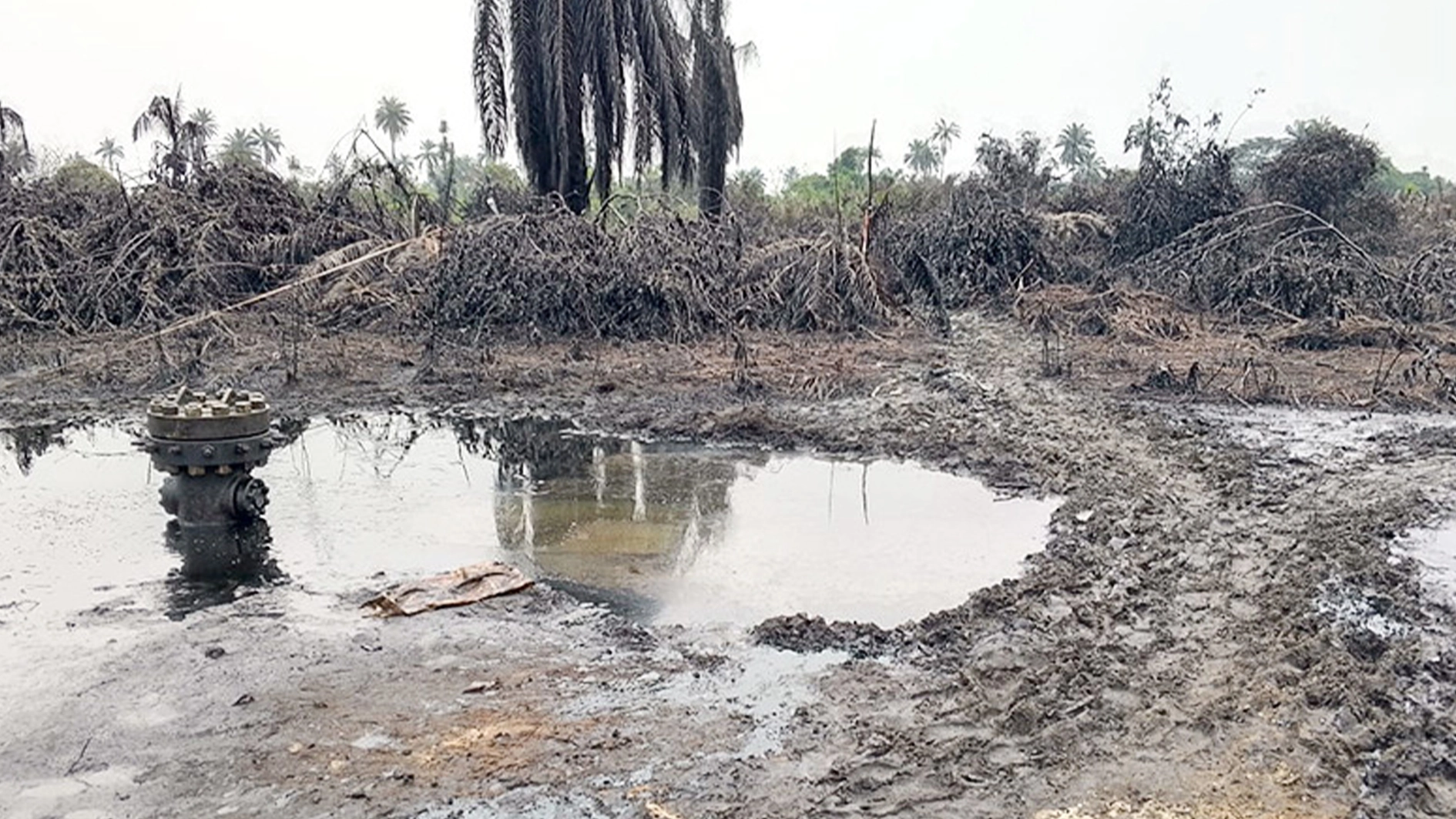
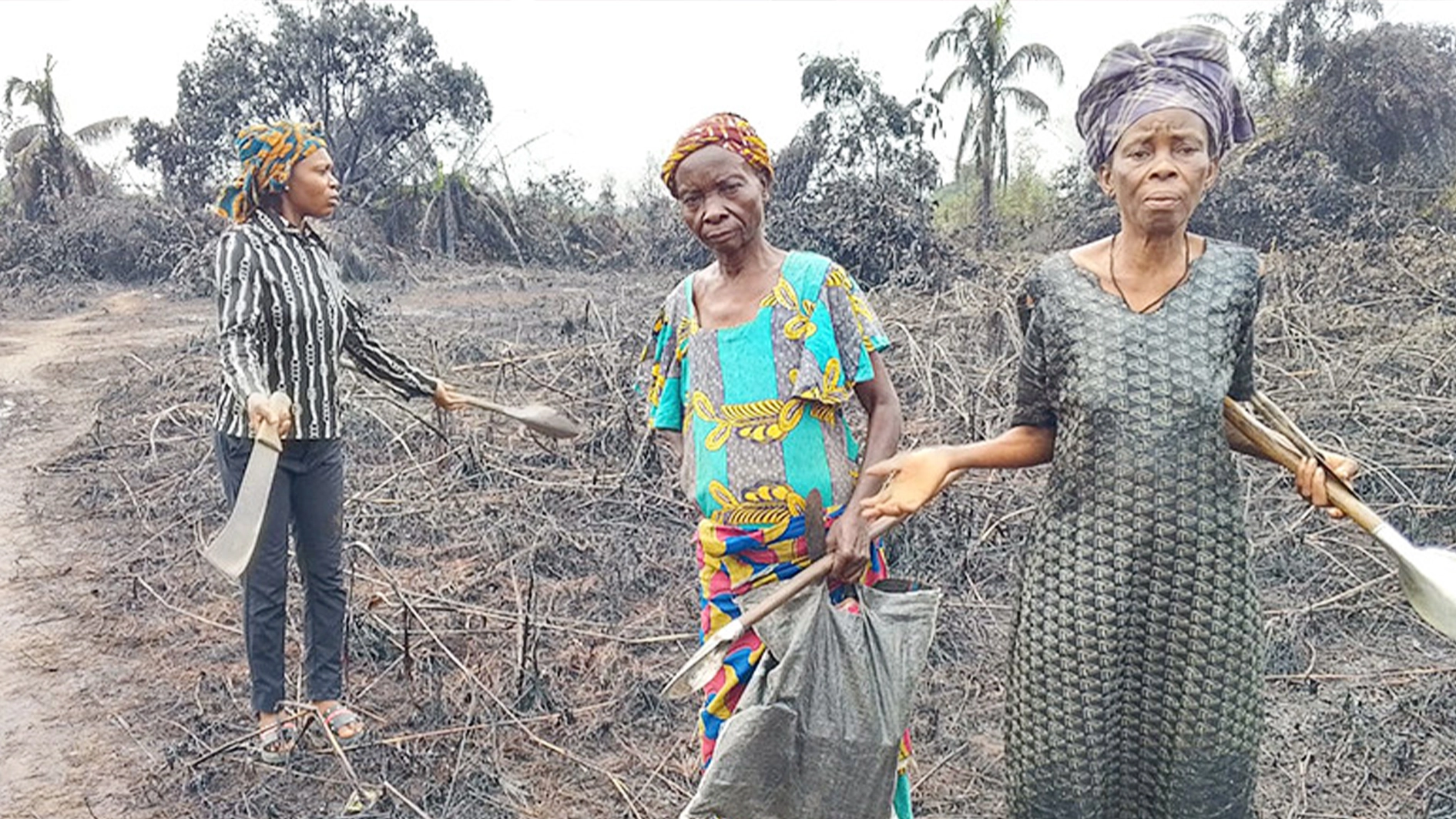
At the Yorla Oilfield in Kpean community in Ogoniland, massive oil spill ravaged the area, Cassava farms that should be approaching harvest were been rendered useless. Mangroves, palm trees and other vegetation were coated in crude and left to decay, while nearby creeks and waterways remain heavily polluted.
Eleven months after a high-powered Federal Government delegation led by the National Security Adviser (NSA), Nuhu Ribadu, visited the area and assured residents of urgent intervention, The Guardian findings revealed that though the devastation is said to have been cleared, there is no further steps taken by relevant authorities to restore the area.
On December 22, 2025, Ribadu-led a Federal Government delegation to the spill site at the Yorla Oil Field in Kpean community, Khana Local Council of Rivers State, to assess the extent of the environmental damage.
The severity of the devastation was immediately apparent. Sharp sand had to be poured across parts of the oil-impacted terrain to create a pathway for the NSA and his delegation to access the spill site.
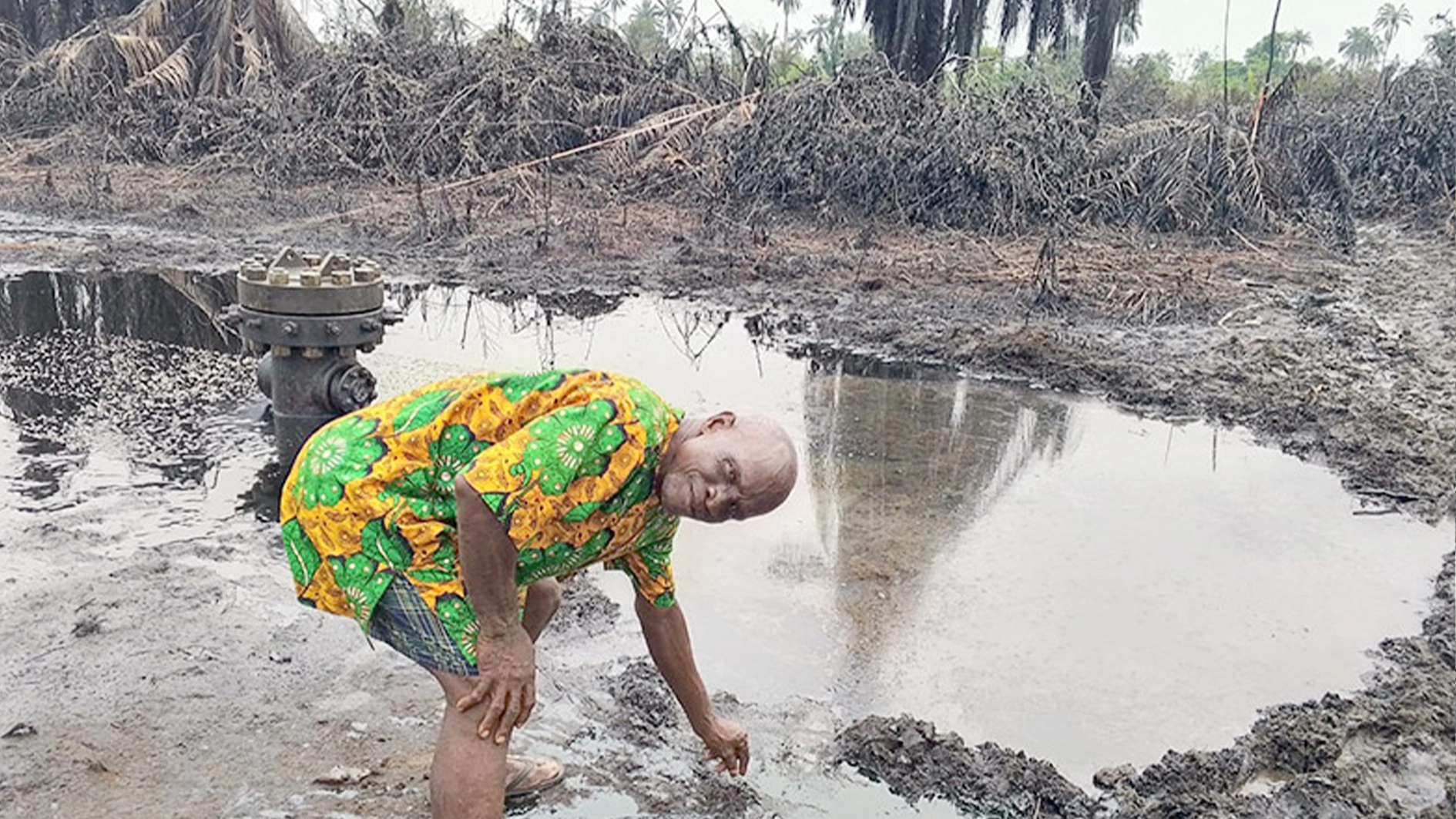 A follow-up visit by The Guardian to Kpean community and interactions with residents and traditional leaders revealed the depth of their pains.
Findings showed that the community has no functional healthcare facility and no reliable source of potable water, leaving residents exposed to the health consequences of prolonged environmental pollution.
Ironically, a health centre reportedly built by Shell in the community has remained non-functional since its completion.
For residents, however, any attempt to restart oil activities without first addressing the existing environmental damage amounts to putting the cart before the horse.
Some women who spoke during The Guardian visit lamented the loss of livelihoods, hunger, deteriorating health and the psychological trauma associated with living in a polluted environment.
Rose Lison Imaloy, Women Leader of Opuama community in Kpean, said the crude-coated farmland, polluted waterways and abandoned wellheads remained stark evidence of a crisis that could not be wished away by official assurances.
According to her, severe pollution has affected the community’s land, air and water resources, destroyed fishing and farming activities and reducing access to periwinkles, fish and other seafood that residents once depended on.
She alleged that the pollution had also triggered widespread illnesses, including suspected cases of cancer, while some community members had died.
With no functional healthcare facility, Imaloy said, residents were forced to depend largely on patent medicine stores whenever they fell ill.
Another resident, Karinubari Charles, expressed disappointment that nothing tangible had been heard from the Federal Government since the NSA’s visit.
She said the community had been neglected despite the assurances given during the high-profile visit.
Charles called for urgent government intervention, insisting that affected residents needed healthcare, potable water, livelihood support and a comprehensive cleanup of their environment.
She said, those pushing such narratives were motivated by personal financial interests rather than the welfare of the affected communities.
Charles demanded proper settlement of the communities, comprehensive cleanup and direct engagement between government, operators and the people affected by decades of pollution.
Also speaking with renowned environmental activist and Executive Director of Health of Mother Earth Foundation (HOMEF), Dr Nnimmo Bassey, at the spill site, Bassey said the ravaged site resembles a war front.
“This looks like a scene of fire,” Bassey said during a visit to the affected community. “All this destruction of mangroves, palm trees, mangoes and the rest were just damaged by the spill itself.”
The spill occurred at the Yorla Oilfield in the Kpean community in Khana Council of Ogoniland, last year.
For residents, however, the tragedy is not merely about another oil spill. It is a reminder of decades of environmental degradation and what they describe as government neglect, even as moves intensify towards possible resumption of oil production in the area.
Bassey said what was particularly disturbing was that the spill had been reported promptly by community members including the traditional ruler of Kpean community, Chief Lucky Gbene Ewor, who has continued to monitor the environment.
“The spill was reported right on time. The community people are monitoring the environment all over Ogoniland and Kpean community in particular. They reported the oil spill, so those authorities could not say they didn’t know about it,” he said.
He expressed concern that despite the government’s awareness and the scale of the damage, meaningful
remediation had yet to commence.
Bassey argued that no government that had witnessed such destruction should delay action to restore the environment.
“There is nothing by the government to help the communities,” he added.
For Bassey, the unfolding crisis should serve as a warning against any hurried resumption of oil production in Ogoniland.
He recalled that the United Nations Environment Programme (UNEP) assessment of Ogoniland recommended, among other measures, the decommissioning of decrepit oil facilities.
“What UNEP recommended was a decommissioning of decrepit oil facilities and this is what I believe should be done,” Bassey said.
He listed immediate clean-up, environmental restoration and compensation for affected farmers, fishermen and communities as priorities.
“The first step is to clean up the environment. The second step is to restore the environment. The third step, which could be done at the same time as the second step, is to compensate the farmers, the fishers and the community for their loss,” he said.
Bassey also took exception to reports that the outcome of recent high-level visits to Ogoniland suggested that the area was ready for oil production.
He said government officials who visited the affected areas could not reasonably claim ignorance of the environmental crisis.
Another environmental advocate, Dr Celestine Akpobari, said the Kpean incident was particularly painful because it reflected problems that had plagued Ogoni communities for decades.
Akpobari described the Bille incident where water turns dark after about two minutes when fetched as strange. He accused authorities of failing to respond with the urgency required after the incident.
According to him, the oil spill had effectively destroyed the fruits of months of labour.
The traditional ruler of Kpean community, Chief Lucky Gbene Ewor, said residents did not understand how government officials could describe Ogoniland as ready for oil production while communities continued to grapple with abandoned oil infrastructure and environmental pollution.
“This thing is like film, but it’s sad that I’m seeing it as reality. We watch it on video and we think it’s mere home video and all that. But I’m here live witnessing this,” he said.
He pointed to the extensive farmland and said the timing was particularly devastating because farmers should ordinarily be preparing for cultivation.
The traditional ruler said the community would need proper environmental assessment, compensation and clean-up before any discussion about resuming oil production could be taken seriously.
“They have not even visited to say, let them change all these wellheads. Nothing like that. Fencing around this place, nothing. Access road, we don’t have,” he said.
He also rejected claims by some politicians from Ogoniland that government was doing well in addressing the concerns of the people.
Ewor appealed to the international community and other stakeholders to intervene.
“We need the international community and people to come and help us,” he said.
Similarly, Ogoni socio-cultural group, KAGOTE (Khana, Gokana, Tai and Eleme), has called on the Federal Government to use the Ogoni Remembrance Day of Ken Saro Wiwa for the development of Ogoniland in honour of Ken Saro-Wiwa and other Ogoni who lost their lives in the struggle .
The president of KAGOTE, Chief Lesi Maol, said that the history of Ogoni oil is written not only in economic figures, but also in the sacrifices of Saro-Wiwa and others who stood for the dignity and wellbeing of Ogoni communities.
Saro Wiwa and others were executed on November 10, 1995, by the military government of General Sani Abacha and the people have continued to remember that date.
Maol said that while KAGOTE appreciates the efforts of the Federal Government and the Rivers State government in addressing the developmental needs of the Ogoni, more should be done to boost development in the area in order to improve the lives of the people.
Well, as President Tinubu moves around some states to campaign for 2027 elections, the affected residents in Bille, Kpean , Eleme and other affected communities have urged him to personally visit the affected communities and see things for himself and not just to go for campaigns when people are dying.
According to them, a personal visit by the President would enable him to see the reality on the ground rather than rely solely on reports from officials.
Speaking on the crisis, the standard Community Development Committee (CDC) Chairman, Winion Debarida, revealed that the disaster began as a minor spill that rapidly escalated due to a lack of timely intervention by relevant authorities.
When asked how the community is coping with the complete loss of their traditional livelihoods, Debarida noted that residents have been left with few alternatives. “There is nothing we can do; we are enduring because there is no other option. We have lost all that we were meant to gain.”
Efforts to reach the Director of Legal Services at the Office of the National Security Adviser (ONSA), Zakari Mijinyawa, for details, clarifications on steps taken by the NSA Office to address the challenges were unsuccessful, as he neither answered calls put to his telephone nor responded to a WhatsApp message sent to him as of the time of filing this report.
However, Akpobari, who hails from Ogoniland, told The Guardian that although the spill site had been cleared, no further steps had been taken to address the suffering and hardship faced by residents of the affected community.
For communities in Bille, Eleme and Kula, their lives matter more, and should be prioritised.
The question is no longer simply how much wealth their resources generate for the country, but how many more lives must be lost before their suffering becomes a national priority.




