 Follow Us on Google News



 Follow Us on Google Discover
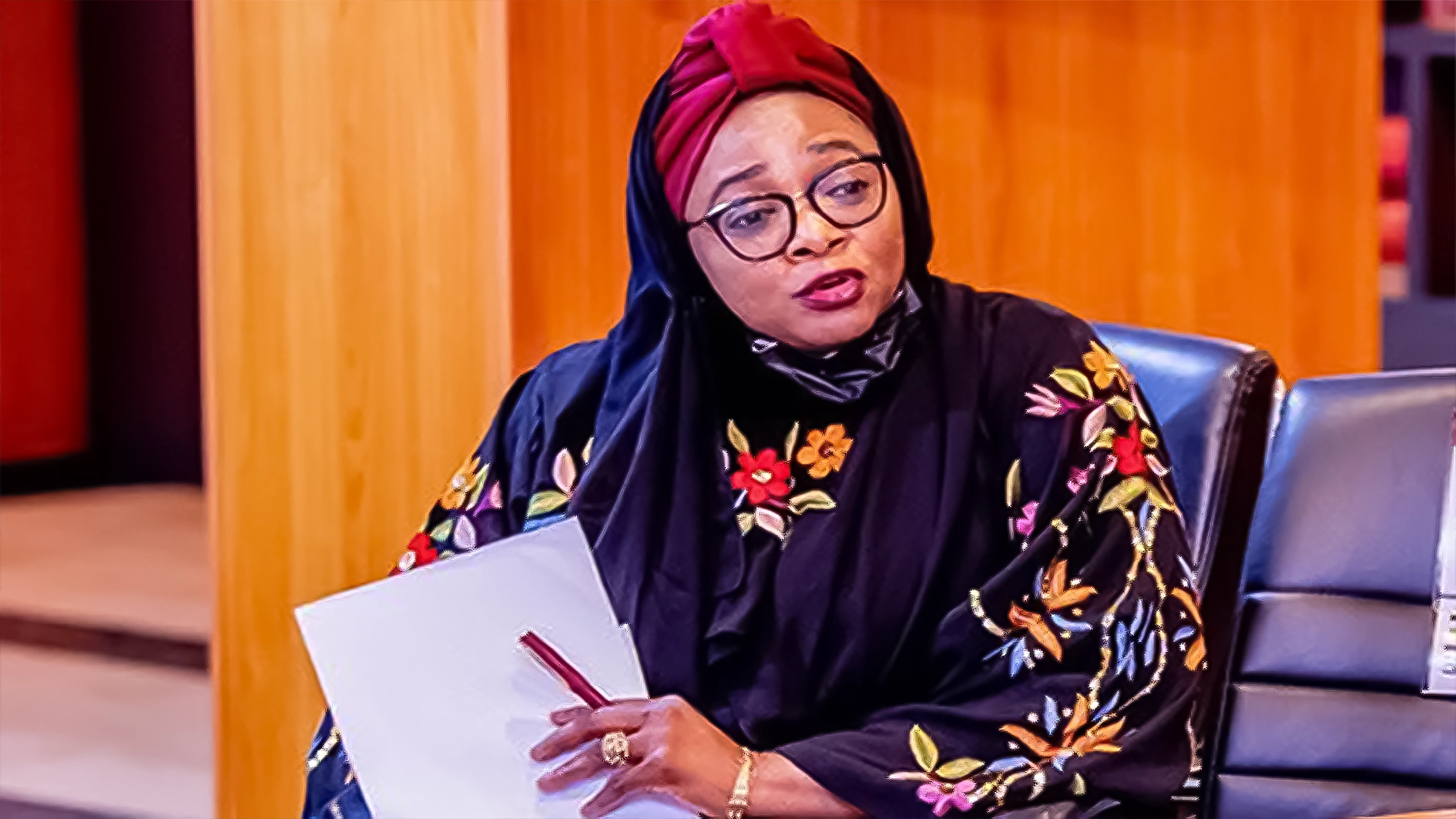
…Says women, girls bear brunt of Nigeria’s insecurity
Twenty-six years after the adoption of the United Nations Security Council Resolution (UNSCR) 1325 on Women, Peace and Security, Nigeria continues to grapple with significant protection gaps, with only 52 sexual assault referral centres serving a population of over 200 million people.
The Minister of Women Affairs and Social Development, Imaan Sulaiman-Ibrahim, raised the concern, noting that women and girls bear the brunt of insurgency in the North-East, banditry and kidnapping in the North-West, and communal conflicts in the Middle Belt.
She said the consequences include displacement, sexual violence, loss of breadwinners and disrupted education, while women remain underrepresented in peacebuilding and security decision-making.
“Let me be honest about the gaps. Nigeria has 52 sexual assault referral centres serving over 200 million people. That is not enough, and we are working to add more,” she said.
The minister said Nigeria was implementing its Third National Action Plan on Women, Peace and Security, launched by First Lady Oluremi Tinubu in December 2025, to strengthen women’s participation, protection and leadership.

She disclosed that the Federal Executive Council had approved three national instruments: the National Action Plan on Ending Violence Against Children, the National Policy on Menstrual Health and Hygiene Management, 2026–2030, and the National Care Policy and Implementation Plan, 2026–2030.
The initiatives seek to strengthen child protection, improve access to menstrual products and recognise unpaid care work, while creating opportunities in the care economy.
Sulaiman-Ibrahim said the government was also updating the Child Rights Act 2003 to address emerging threats, including technology-facilitated violence, and strengthening the Violence Against Persons (Prohibition) Act 2015.
She urged the media to monitor implementation of the action plan across states and local governments, stressing that women’s safety and dignity must translate into measurable outcomes.
Meanwhile, Lieutenant Colonel Nneka Olimma-Adinweruka called for stronger accountability, increased women’s representation in security leadership and sustained investment in gender-responsive reforms.
Speaking at an event marking the resolution’s 26th anniversary on October 29, she said female military personnel had contributed significantly to national defence through operational, medical, intelligence and peacekeeping roles.
However, she identified gender-based violence, sociocultural barriers and women’s underrepresentation in decision-making as persistent challenges.
She advocated professional development, mentorship and fair career progression for women in the military and other security institutions, alongside stronger collaboration among government agencies, civil society and development partners.
“The true measure of our success will not be the number of policies adopted or conferences organised, but the tangible improvements recorded in the safety, dignity, representation and well-being of women and girls,” she said.
UNSCR 1325, adopted on October 31, 2000, calls for women’s meaningful participation in conflict prevention, peace negotiations and recovery, alongside stronger protection against conflict-related violence.

