 Follow Us on Google News


 Follow Us on Google Discover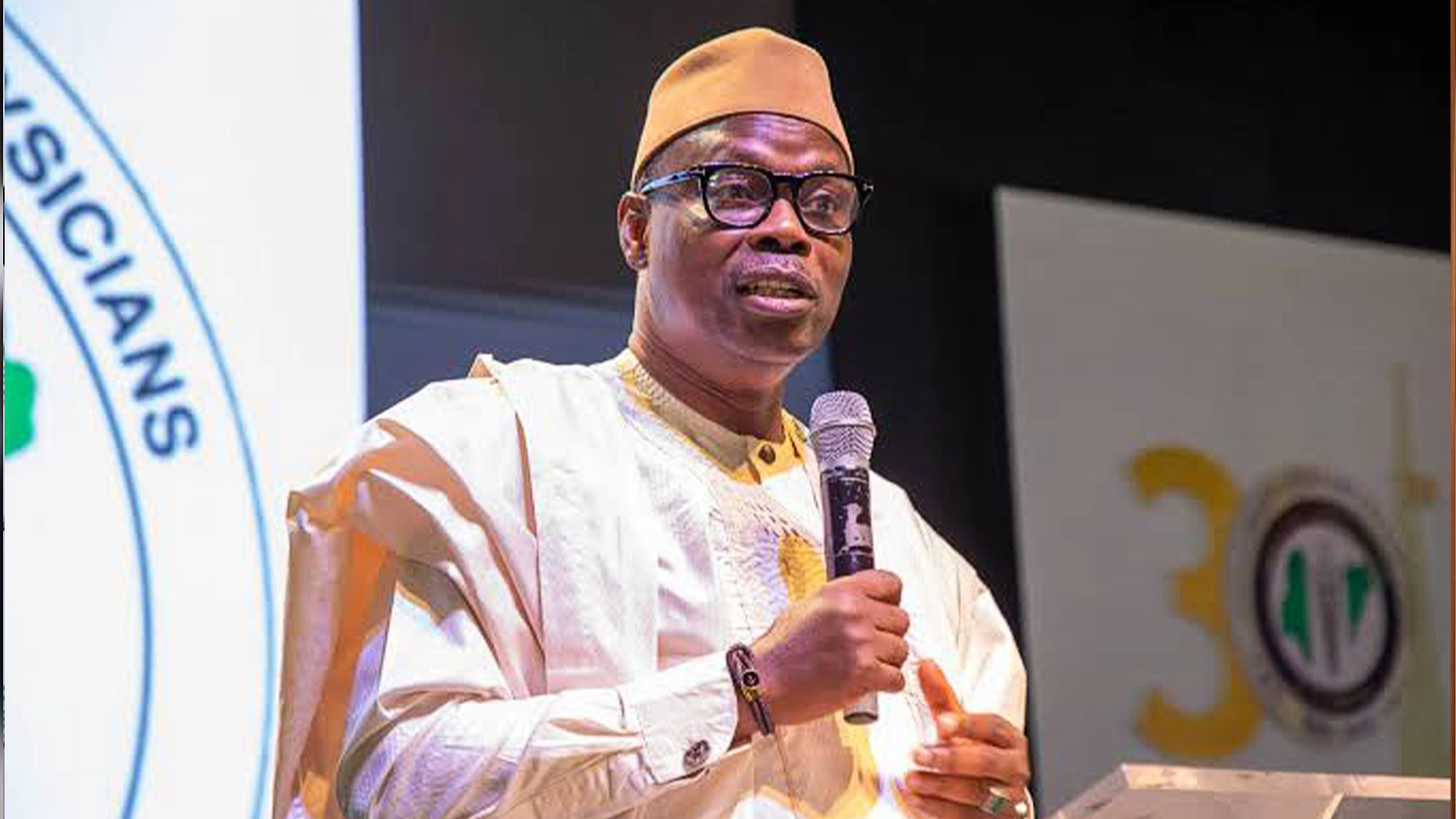
• N4.8tr lost to medical tourism yearly
The Federal Government has hinted at saving about 10,000 lives and training over 2,000 frontline healthcare workers across the country’s six geopolitical zones through specialised medical missions and capacity-building programmes courtesy of health professionals in the diaspora.
The interventions implemented under the National Diaspora Health Impact Initiative (NDHII) involved diaspora doctors, nurses, and other healthcare professionals providing specialist services, performing surgeries, and training local health workers in underserved communities.
The government also estimated that Nigeria loses about N4.8 trillion yearly to medical tourism and preventable diseases, stressing that ongoing reforms in the health sector are aimed at reversing the trend.
Minister of State for Health and Social Welfare, Dr Adekunle Salako, disclosed this at the National Diaspora Merit Award Dinner, which marked the climax of the 2026 Diaspora Day celebration and the Diaspora Health Impact Initiative in Abuja.
According to him, the current administration’s efforts to rebuild the country’s healthcare system are laying the foundation for reducing dependence on overseas medical treatment while strengthening local healthcare delivery.

Salako said the government is committed to making it easier for Nigerian health professionals in the diaspora to contribute to the country’s health sector by simplifying licensing and locum arrangements, facilitating customs and visa waivers, and expanding opportunities for investment in hospitals, diagnostic centres, pharmaceutical manufacturing and other healthcare infrastructure.
He said the ministry is working closely with the Nigerians in Diaspora Commission (NiDCOM), the Medical and Dental Council of Nigeria (MDCN), the Nigerian Medical Association (NMA) and other relevant agencies to remove longstanding registration, licensing and logistical bottlenecks that have limited diaspora participation.
According to him, the initiative is designed to create pathways that enable diaspora professionals to reconnect with the country, contribute their expertise and, where possible, return home permanently.
Salako noted that the migration of Nigerian health professionals was driven by years of poor remuneration, inadequate welfare, challenging working conditions, limited opportunities for professional development and insufficient investment in the health sector.
He said: “Across all six geopolitical zones, in a single season, our diaspora healthcare family has touched close to 10,000 Nigerian lives directly and trained more than 2,000 frontline health workers, multiplying that impact for years to come.
“This is an affirmation that the diaspora is not a resource to be admired from afar. You are already here, in our theatres, wards, primary health centres and classrooms, doing the work.”
The minister added that members of the diaspora did more than attend a national programme.
“You did not merely come home to attend a programme; you consulted, treated, operated, trained, mentored and gave freely of skills built over years abroad, in teaching and general hospitals from Lagos and Edo to Kaduna, Kano, Sokoto, Borno, Imo, Abia, Enugu, Nasarawa, Gombe and the Federal Capital Territory. That is patriotism made visible,” he said.
Salako highlighted some of the interventions carried out during the initiative. He said obstetricians, paediatricians and midwives from the Medical Association of Nigerians Across Great Britain (MANSAG) and the Nigerian Nurses Charitable Association UK (NNCA-UK) trained more than 1,000 frontline healthcare workers in Kano, Kaduna and Sokoto states on the Safer Births Bundle of Care (SBBC), investing millions of naira in personnel and medical resources.
According to him, doctors from the Association of Nigerian Physicians in the Americas (ANPA) conducted more than 4,000 medical consultations, performed over 500 surgeries and trained 350 health workers and 150 community responders during specialist medical missions in Enugu, Imo and Abia states.
He added that the Nigerian Australian Medical Doctors Association organised a practical masterclass in ultrasound-based diagnosis of endometriosis in Benin City to improve early detection and treatment of the condition among Nigerian women.
Salako also said the Nigerian Doctors Forum-South Africa performed more than 70 advanced procedures in interventional radiology, neurosurgery and endoscopy at the Lagos University Teaching Hospital (LUTH), Lagos State University Teaching Hospital (LASUTH) and Ikorodu General Hospital, while transferring the skills to Nigerian specialists.
He further disclosed that the Concerned Medics Foundation screened thousands of secondary school students in Maiduguri and Gombe for the sickle cell gene, provided genetic counselling and referred confirmed cases for treatment.
According to him, the Canadian Association of Nigerian Physicians and Dentists (CANPAD) and the NMA-Germany also supported primary healthcare services in the Federal Capital Territory and Nasarawa State through telemedicine, family medicine services and point-of-care diagnostics.
The minister identified telemedicine, structured training partnerships, diaspora health bonds, equipment donations, public-private partnerships, joint clinical research, technology transfer and support for centres of excellence as key areas for deeper collaboration between Nigeria and its healthcare professionals in the diaspora.
He said these initiatives would help modernise the country’s health infrastructure, strengthen specialist training and improve access to quality healthcare nationwide.

