
 Get Guardian on Google
Nigeria’s ambition to attract billions of dollars in foreign investment faces a critical test as international investors identify opportunities across key sectors of the economy but warn that weak institutional structures, policy uncertainty, insecurity and a difficult business environment could undermine the country’s investment prospects.
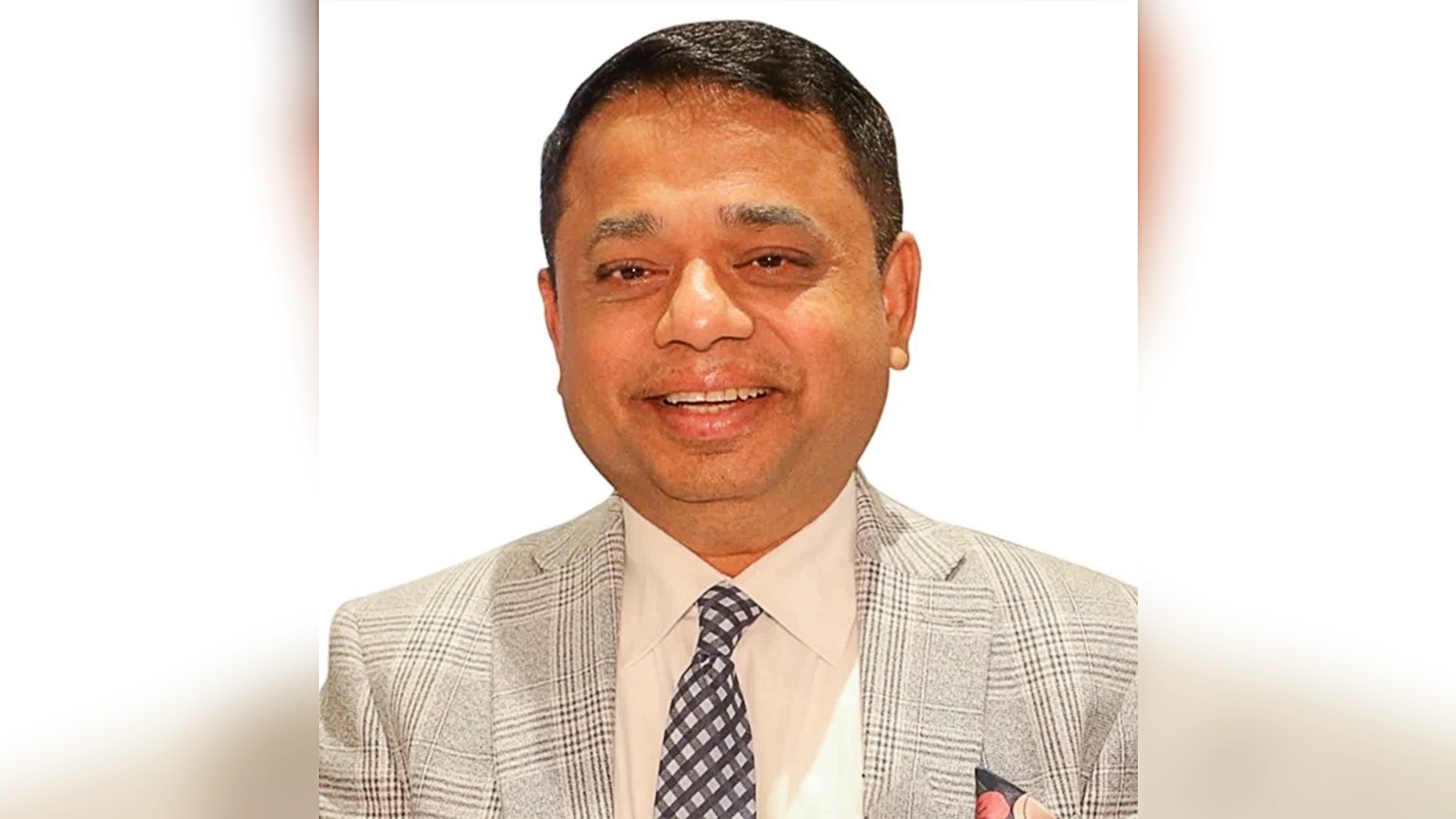
The President of Business Summit Group, Dr. M. Haider Uzzaman, disclosed that investors with potential investment commitments approaching $100 billion were exploring opportunities in Nigeria’s oil and gas, renewable energy, artificial intelligence, financial technology, agriculture, agritech, poultry, education, healthcare and logistics sectors.
However, he cautioned that attracting investors would achieve little unless the government addressed the institutional, policy and operational bottlenecks required to translate investment interest into viable businesses, sustainable jobs and measurable economic growth.
Speaking in an interview at the end of a two-day Global Business Summit in Abuja, Uzzaman said the gathering had attracted participants from more than 50 countries, including the United Kingdom, United States, Brazil, Canada, China, Hong Kong, Singapore, Malaysia and Bangladesh, with some participating virtually.
The investment prospects come at a time when Nigeria is seeking to attract foreign capital, diversify its economy, expand domestic production and reduce dependence on imports.
But investors’ concerns suggest that the country’s challenge extends beyond marketing its investment opportunities to building the confidence and operating environment required to sustain long-term capital commitments.
A co-convener of the summit, Professor Ahmad Salawudeen, Group President and Chief Executive Officer of Standard Insurance Consultants Limited, said bringing the international investment gathering to Nigeria was driven by his conviction that the country had enormous economic potential.
He described the summit as the first edition to be hosted in Africa, following engagements that secured its relocation to Nigeria.
Salawudeen said several investment agreements and partnerships worth billions of dollars had already emerged from the gathering, although he declined to disclose specific transactions.
He identified agriculture, pharmaceutical manufacturing, education, textile production and renewable energy as some of the projects being developed through the investment connections.
According to him, his hometown of Iseyin in Oyo State is among the communities expected to benefit, with plans for an agricultural programme, a university, a pharmaceutical manufacturing plant by a German investor from 2027 and machinery for local Aso-Oke textile production.
He also disclosed plans to expand solar energy provision in the community, arguing that foreign investment should not be concentrated in major commercial centres but extended to smaller towns with viable economic opportunities.
His comments highlight the potential of investment partnerships to stimulate rural industrialisation, create employment and develop new economic clusters beyond Nigeria’s traditional business centres.
In the aviation sector, the Managing Director of Aashna Air & Tourism Limited, Mr. Koustav M. Dhar, said his company was exploring opportunities to establish new aviation ventures in Nigeria, particularly in drone technology and training.
Dhar, who said he had previously visited Lagos but was attending an investment gathering in Abuja for the first time, expressed optimism about changes in Nigeria’s business environment and the government’s emerging investment policies.
He disclosed plans to establish drone training centres to develop a pool of certified Nigerian drone pilots, estimating that the country would require between 4,000 and 4,500 trained professionals.
According to him, developing local drone expertise could create a new aviation ecosystem with significant economic opportunities over the next decade.
The proposed initiative could support the development of specialised skills and create opportunities for drone applications in agriculture, infrastructure monitoring, logistics and other commercial activities.
Meanwhile, the Chief Executive Officer of Biogold Nigeria Limited, an oil and gas servicing company, Mr. Kayode Abiodun, said the summit had already generated business opportunities, including a deal his company concluded during the gathering.
Abiodun, however, identified credibility, trust, ease of doing business, policy consistency and security as critical conditions Nigeria must address to attract and retain international investors.
He said Nigeria’s negative international image, particularly concerns about insecurity, continued to influence investment decisions despite its enormous mineral resources and commercial potential.
According to him, improving national security and strengthening confidence in the country’s business environment would enable foreign investors to establish operations and conduct business with greater certainty.
He stressed that Nigeria needed to address the perception that insecurity was widespread across the country, noting that a secure operating environment was essential for businesses seeking long-term commitments.
Salawudeen also urged the government to reconsider its approach to taxation, arguing that Nigeria’s abundant natural resources offered alternative opportunities for generating public revenue without placing excessive pressure on citizens.
He maintained that economic policies should prioritise domestic production, citing Indonesia as an example of a country that places considerable emphasis on producing goods for domestic consumption.
While acknowledging the Federal Government’s efforts to attract investors through incentives and economic reforms, he argued that Nigeria must strengthen local productive capacity to reduce dependence on imported goods.
The different investment interests highlighted at the summit underscore the potential for foreign capital to support industrial development, technology transfer, skills acquisition and employment generation.
However, the concerns raised by investors also expose the gap between Nigeria’s investment potential and the conditions required to realise it.
With potential commitments reportedly approaching $100 billion, the immediate challenge for the government and investment promoters will be to move beyond summit announcements and ensure that proposed projects translate into verifiable financial commitments, actual capital inflows, operational businesses and measurable economic benefits.
For an economy battling unemployment, infrastructure deficits, weak domestic manufacturing capacity and pressure on foreign exchange, the success of such investments will ultimately be measured not by the number of international delegates attending investment conferences but by the factories established, businesses expanded, workers employed and goods produced locally.