 Follow Us on Google News


 Follow Us on Google Discover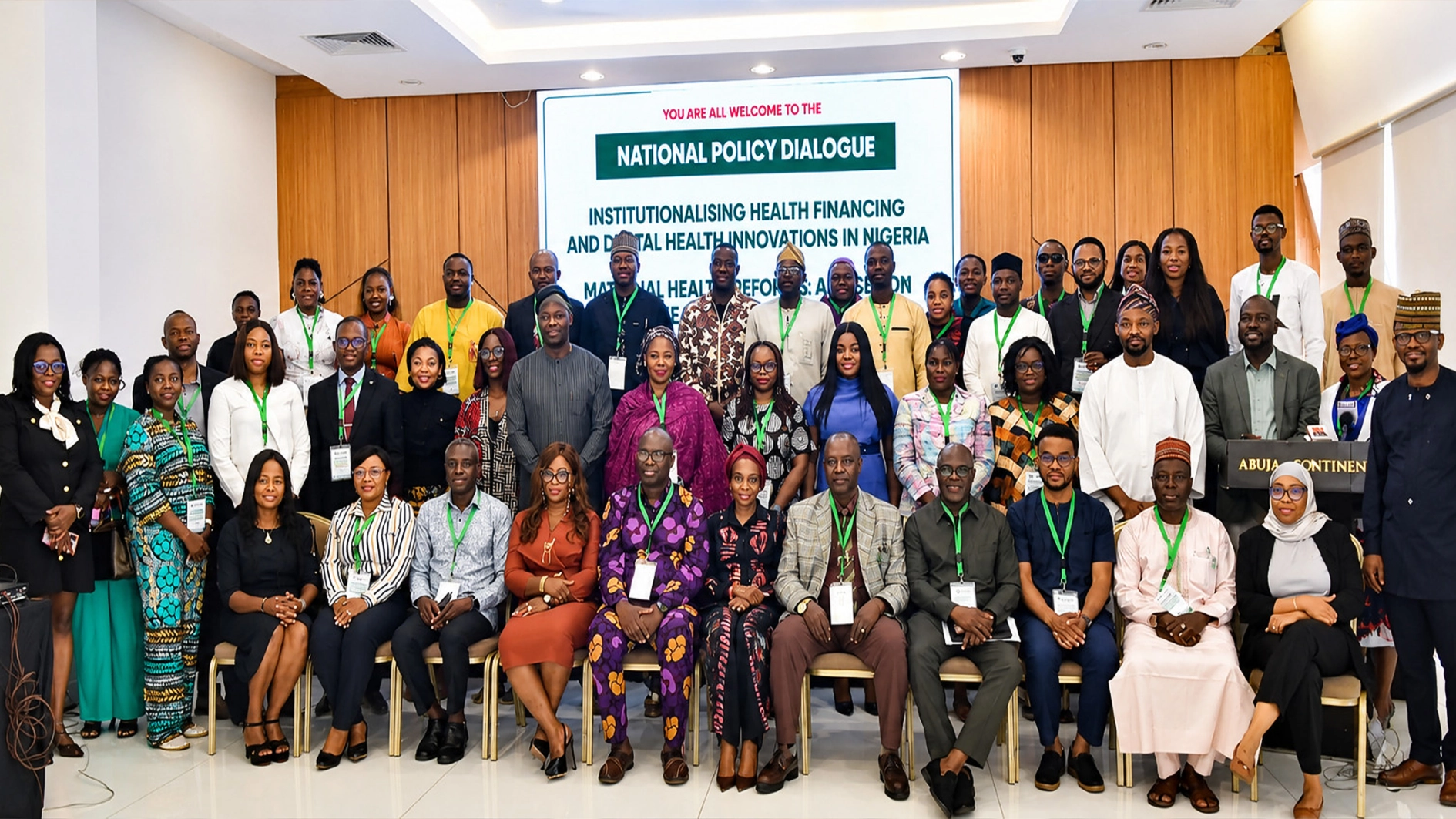
Health experts in Nigeria have called for the full integration of the private sector into Nigeria’s maternal health financing and digital health reforms, warning that the country’s quest to reduce maternal mortality and achieve universal health coverage cannot succeed without strategic partnerships.
They made the call in Abuja at the National Policy Dialogue on Institutionalising Innovations in Nigeria’s Maternal Health Financing and Digital Health Reforms with a focus on private sector integration.
Organised by the ACIOE Foundation, in collaboration with the Federal Ministry of Health and Social Welfare, the dialogue brought together national policy stakeholders, innovators, donors, civil society organisations, implementing and financing partners to review evidence-based maternal health innovations and build consensus on pathways for their adoption within the national health financing and digital health systems.
In his remarks, the Director, ACIOE Foundation, Olukunle Daramola, said the dialogue was convened to bring together key stakeholders in the health sector to advance the country’s quest for universal health coverage, with particular emphasis on improving maternal healthcare outcomes.
According to estimates from United Nations (UN) and World Health Organization (WHO) reports, approximately 58,000 to 75,000 women die yearly from pregnancy and childbirth-related causes in Nigeria.
The Foundation Director noted that although Nigeria has recorded progress in expanding access to maternal healthcare services over the years, maternal mortality remains an urgent public health challenge that requires bold, coordinated and evidence-based interventions.

According to him, achieving universal access to quality maternal healthcare goes beyond increased investments and demands innovative financing mechanisms, efficient digital health systems, strong governance structures and sustainable partnerships between the public and private sectors.
“Maternal mortality remains an urgent public health challenge that demands bold, coordinated and evidence-driven action. Achieving universal access to quality maternal healthcare requires more than increased investments; it requires innovative financing mechanisms, efficient digital health systems, strong governance, and strategic partnerships that leverage the strengths of both the public and private sectors,” he said.
Daramola described the policy dialogue as timely, coming at a period when Nigeria is implementing critical health sector reforms aimed at achieving universal health coverage and accelerating progress towards the Sustainable Development Goals.
He highlighted the transformative role of digital health technologies in improving healthcare delivery through enhanced data quality, efficient service delivery, strengthened patient tracking systems, telemedicine and evidence-based decision-making.
He also identified health insurance expansion, performance-based financing, blended financing models and strategic purchasing as innovative maternal health financing approaches capable of reducing financial barriers and expanding equitable access to quality maternal healthcare services.
The ACIOE Foundation Director stressed that private healthcare providers remain indispensable to Nigeria’s healthcare system as they deliver a substantial proportion of healthcare services and serve as the first point of care for many families across the country.
He added that their contributions extend beyond healthcare delivery to investments in digital innovation, pharmaceutical supply chains, diagnostics, health technologies, logistics, health insurance and workforce development.
He advocated enabling policies, transparent regulatory frameworks, sustainable financing mechanisms, interoperable digital systems and stronger public-private collaboration to unlock the innovation, efficiency and investment capacity of private sector actors.
According to him, such partnerships would improve service quality, expand access to underserved populations, strengthen accountability and ensure the sustainability of ongoing health sector reforms.
In her remarks, Lead of Honesty for Mothers in Nigeria, Iyadunni Olubode, stressed the need to ensure that private healthcare providers have equitable access to health financing mechanisms at both the national and subnational levels, noting that their inclusion is critical to expanding access to quality healthcare services.In her remarks, the Lead, MSD for Mothers, Iyadunni Olubode, stressed the need to ensure that private healthcare providers have equitable access to health financing mechanisms at both the national and subnational levels, noting that their inclusion is critical to expanding access to quality healthcare services.
According to her, the engagement must produce clear recommendations and actionable plans that will translate into tangible improvements in maternal health, adding that it is unacceptable that women continue to die from preventable causes related to pregnancy and childbirth despite ongoing interventions in the sector.
In his intervention, President of the Nigerian Medical Association (NMA), Prof. Afekhide Omoti, represented by Dr. Epe Phillip, stressed the need for stronger collaboration between the public and private sectors to improve maternal healthcare delivery, urging policymakers to institutionalise sustainable financing mechanisms and leverage digital health innovations to reduce maternal mortality and improve access to quality healthcare services across the country.
Also, Senior Manager at the Central Bank of Nigeria (CBN), Adenike Adepetu, reaffirmed the apex bank’s commitment to strengthening healthcare financing through policies and regulatory frameworks that encourage innovation and sustainable investments in the sector.
She said the policy dialogue provides an important platform for stakeholders to deliberate on strategies that will advance digital healthcare and expand access to healthcare financing across the country.
According to her, the CBN is participating in the discussions to better understand emerging policy and innovation needs within the health sector and ensure that appropriate regulatory mechanisms are put in place to facilitate seamless financing.

