Stakeholders under the Taraba Universal Health Coverage (UHC) Forum have declared that no family should be pushed into poverty because of medical expenses, calling for urgent reforms to make healthcare affordable and accessible to all residents of the state.
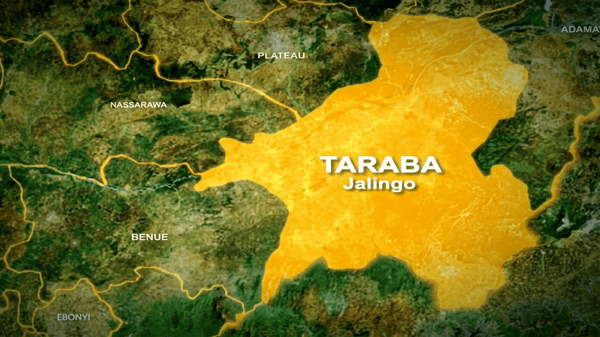
The declaration was made over the weekend in Jalingo during the official launch of the Taraba UHC Forum, held as part of activities to commemorate UHC 2025.
Participants noted that the rising cost of healthcare, particularly essential services and medicines, continues to prevent many families from accessing quality care.
The forum was convened by the Founder and Chief Executive Officer of the Centre for Initiative Development (CFID), Dr (Prince) Danjuma K. Adda, who is also an Advisory Group Member of the Civil Society Engagement Mechanism for UHC2030, representing Africa.
Dr Adda revealed that more than 100 million people globally are pushed into extreme poverty each year due to healthcare-related expenses.
He further disclosed that about 800 million people worldwide lack access to essential health services, with many relying on out-of-pocket payments that worsen their financial hardship.
“No family should be driven into poverty due to medical expenses. We must work together to build a health system that protects all residents of Taraba from financial hardship when they seek care,” Dr Adda said.
According to him, the newly inaugurated UHC Forum is a strategic platform aimed at strengthening collaboration, promoting policy dialogue, and driving collective action towards achieving universal health coverage in Taraba State.
He explained that the forum’s primary objective is to ensure that every child in the state receives essential health services and that mothers access care with dignity.
At the event, a UHC Forum Declaration was unveiled, outlining the state’s commitment to improving healthcare access, strengthening service delivery, and protecting residents from the financial burden of medical care. The declaration emphasised the need to build equitable, inclusive, and responsive health systems.
Dr Adda identified several challenges hindering healthcare access in Taraba State, including high out-of-pocket costs, long distances to health facilities, transportation difficulties, poor health worker attitudes and weak referral systems.
He called for the enactment of laws and policies that shield citizens from unaffordable healthcare costs while prioritising equity in service delivery.
He also stressed the importance of strengthening primary healthcare, expanding financial protection mechanisms, amplifying community voices and ensuring that health services respond effectively to the needs of the people.
Speaking on behalf of the Commissioner for Health, Dr Bordiya Buna, the Permanent Secretary of the Ministry of Health, Dr Harmony Chufor, described the initiative as timely and impactful, noting that it would play a critical role in ensuring healthcare services reach all parts of the state.
“Healthcare should not be a privilege for the few, but a fundamental right for all. This forum is key to ensuring that no one, regardless of location or economic status, is excluded from accessing affordable and quality healthcare services,” Dr Chufor said.
Representatives of the World Health Organization (WHO) in Taraba State, the State Health Service Management Board, the State Contributory Health Insurance Agency, and several civil society organisations also pledged support for the CFID-led initiative, committing to collaborate in addressing barriers to healthcare access across the state.
The National Council of Women Societies highlighted the critical role of women in health advocacy, particularly in improving healthcare access for mothers and children, noting that their participation in the forum would help ensure that the needs of women and children are adequately reflected in health policies.
For residents of Taraba State, the launch of the forum offers renewed hope for a more inclusive, equitable, and sustainable healthcare future as stakeholders commit to making universal health coverage a reality.