
 Get Guardian on Google
Imo State University has established a robotic surgery academy in partnership with the Imo Robotic Centre to strengthen local expertise in advanced surgical procedures, with plans to train 500 surgeons and other surgical professionals within two years.
Described as Africa’s first dedicated robotic surgery academy, the initiative will train more than 250 Nigerian surgeons and participants from other African countries, while equipping entire surgical teams with the skills to deliver safe and effective robotic-assisted procedures.
The Imo Robotic Centre, developed in partnership with the Imo State government, has commenced operations and performed its first surgery in August, followed by several other robotic procedures.
A Professor of Robotic Surgery at the university, Kingsley Ekwueme, who disclosed this, said the initiative would expand access to advanced surgical care, develop local expertise and reduce Nigerians’ dependence on overseas treatment.
He said the university had signed a memorandum of understanding with the centre and allocated a departmental building for the academy. The programme would feature international faculty members, while the university would certify the training.
Ekwueme, a consultant urologist and laparoscopic and robotic surgeon, explained that the programme would cover surgeons, nurses and other members of surgical teams, stressing that successful robotic procedures required coordinated expertise beyond access to sophisticated equipment.

“We are not only training surgeons, but we are also training the whole surgical team. This is important because we want to train a team to deliver safe and effective robotic surgery at their local centre,” he said.
He said the academy would also assist participating hospitals with the procurement and installation of robotic equipment, helping them overcome technical and logistical challenges.
The training would cover urology, gynaecology, general surgery and selected cardiac procedures.
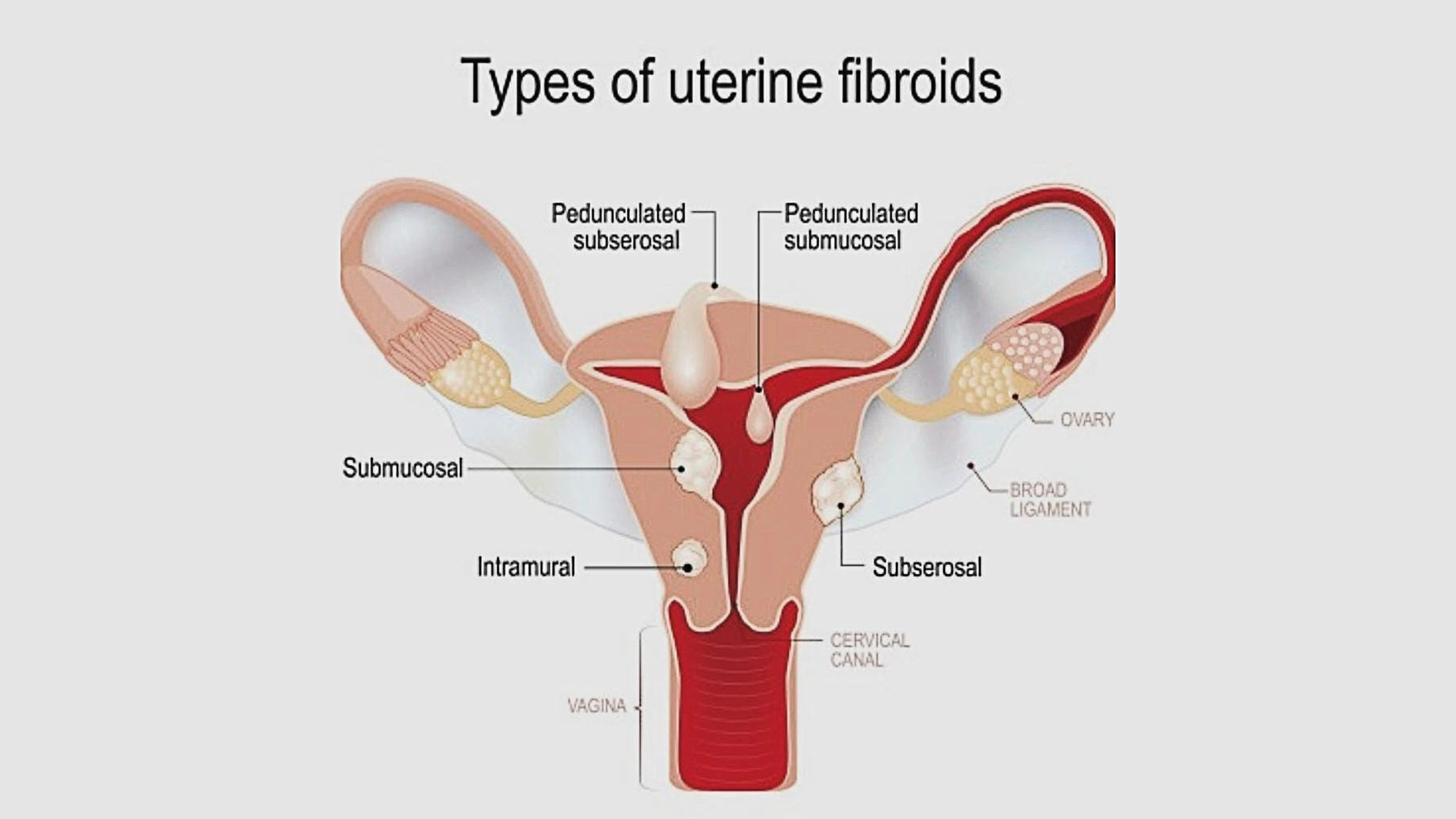
Operations that could benefit from robotic assistance include kidney and prostate surgeries, fibroid removal, hysterectomy, ovarian procedures, bowel cancer operations and selected gallbladder surgeries.
Highlighting the benefits, Ekwueme said robotic systems offered surgeons three-dimensional magnified views of the operating field and instruments that allowed greater precision, particularly when operating in confined spaces.
He said the technology could reduce surgical trauma, blood loss and recovery time in appropriately selected patients compared with conventional open surgery, which often requires larger incisions and longer hospital stays.
He, however, emphasised that surgeons must undergo specialised training to operate the equipment safely and achieve good outcomes. “The surgeon has to also be proficient in the use of the robotic machine. That is where this training becomes important,” he said.
Ekwueme disclosed that plans were underway to establish an oncology centre adjacent to the robotic facility to provide advanced cancer diagnosis and treatment. A medical institute was also being developed through the partnership.
He said the facilities would strengthen specialised healthcare delivery in the South-East and reduce the need for patients to travel to other parts of the country or abroad for treatment.
On expanding robotic surgery in Nigeria, Ekwueme urged the Federal Government to review taxes on imported robotic equipment, arguing that high acquisition costs could discourage public hospitals from adopting the technology and limit patients’ access to advanced procedures.
“We know how to acquire affordable robotic systems. I will advise any public institution to come and train with us. We will help them to acquire robots,” he said.
He urged chief medical directors of public hospitals to explore partnerships for acquiring the equipment and developing the expertise needed to operate it.
Ekwueme said expanding local capacity would also help reverse medical tourism by reducing the financial and emotional burdens patients face when seeking treatment abroad, including travel, accommodation and other expenses.
He expressed the ambition to make robotic surgery accessible across Nigeria within the next decade, with more hospitals equipped to provide the services. “In 10 years, I see every Nigerian having access to robotic surgery anywhere in Nigeria. I see a Nigeria where brain drain would be significantly less,” he said.
He also expressed optimism that more Nigerian-trained specialists working abroad would return to contribute to the country’s healthcare development.
Ekwueme, who is clinical lead for urology in North Wales at Glan Clwyd Hospital, United Kingdom, said his experience included establishing a prostate clinic, training surgeons and consulting for robotic technology companies in Europe.