 Follow Us on Google News


 Follow Us on Google Discover
Nigeria must treat environmental pollution as a cardiovascular health emergency and move urgently to reduce people’s exposure to toxicants in the air, water, soil and food chain, Professor Raphael Anakwue has urged.
Anakwue, a Professor of Cardiology and Cardiovascular Pharmacology at the University of Nigeria, Nsukka, made the call in his inaugural lecture, where he argued that the country’s response to cardiovascular disease must go beyond the familiar focus on hypertension, diabetes, obesity, high cholesterol, smoking and physical inactivity.
According to him, environmental toxicants have become hidden co-creators of cardiovascular risk, capable of worsening existing risk factors and causing biological damage that may remain invisible until serious heart disease develops.
The argument is particularly relevant to Nigeria, where millions of people are routinely exposed to generator fumes, vehicle emissions, industrial pollutants, gas flaring, heavy metals, pesticides, petroleum products and plastics. The problem is compounded by weak infrastructure, inadequate monitoring and poor enforcement of environmental regulations.

Anakwue’s answer is therefore not simply for Nigerians to change their personal habits. He is calling for a broader national response in which government, regulators, researchers, industry, health professionals and citizens all have a role.
At the centre of his recommendations is a transition away from polluting energy sources.

Nigeria’s dependence on petrol and diesel generators has created an enormous public-health problem. Anakwue’s research on generator exhaust found evidence of cardiovascular injury in experimental models exposed to the fumes, reinforcing concerns about the consequences for people who operate generators close to homes, offices, markets and other crowded spaces.
The long-term solution, he argues, must be to expand access to cleaner and more reliable energy. Solar and other renewable sources should be integrated into the national energy system, while governments should provide incentives that make cleaner alternatives more accessible.
The transition should also extend into Nigerian homes. Clean cooking technologies, including gas, solar and electric stoves, should replace polluting cooking practices that expose households to harmful indoor air pollution.
Transportation is another area requiring urgent intervention. Anakwue proposes the gradual replacement of petroleum-powered fleets with electric vehicles, supported by mandatory vehicle-emissions testing. He also argues that Vehicle Inspection Officers should give greater attention to emissions monitoring rather than allowing vehicle inspection to become primarily a paperwork exercise.
The country must equally strengthen the monitoring of what is being released into the atmosphere.
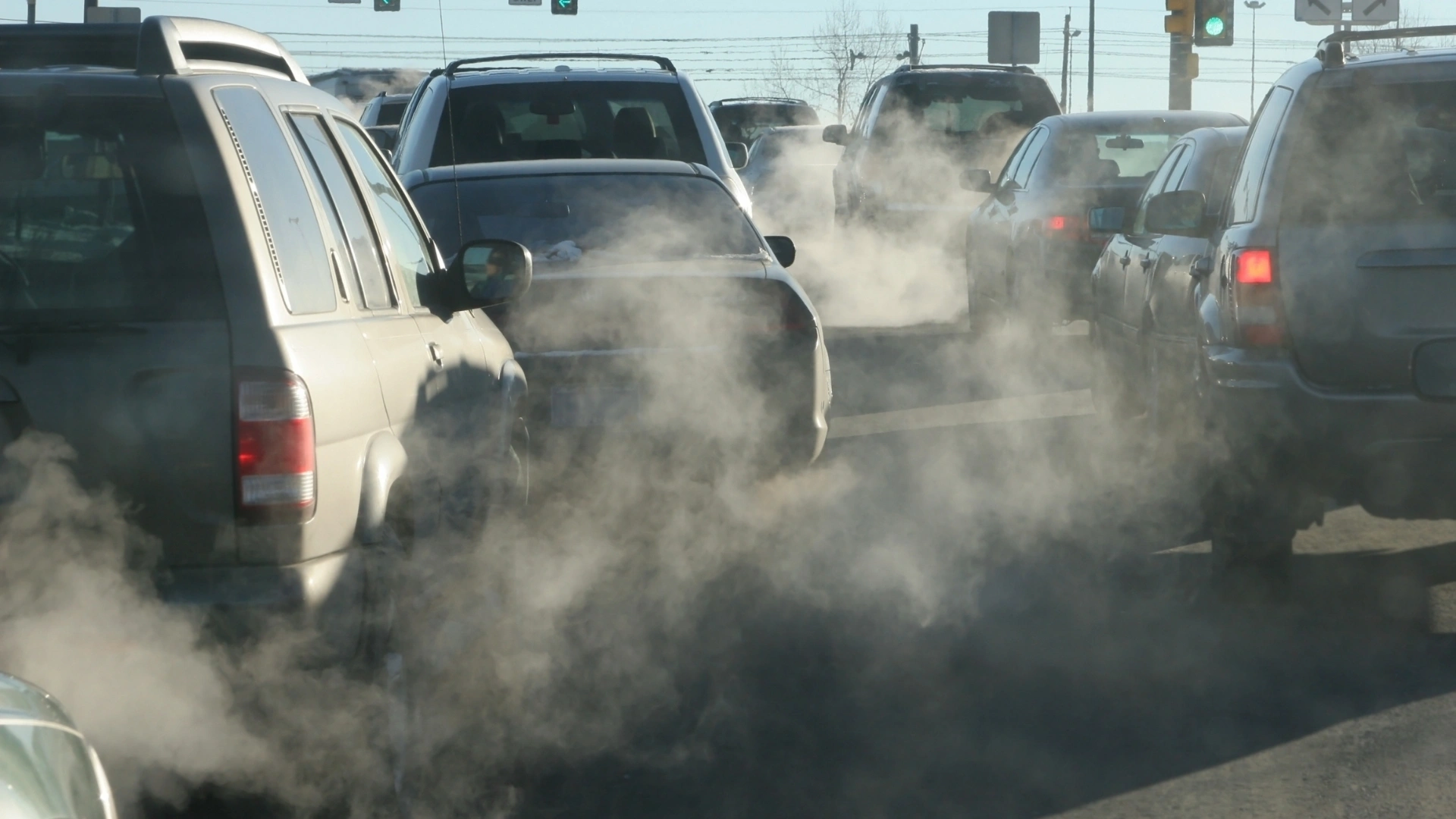
Anakwue recommends properly funding the National Environmental Standards and Regulations Enforcement Agency (NESREA) to install stationary and mobile air-quality monitors capable of collecting data continuously. Such monitoring would make it possible to identify pollution hotspots, establish exposure patterns and give policymakers reliable evidence on which to act.
The Niger Delta also requires a stronger response to pollution from petroleum activities. Anakwue calls for higher penalties for gas flaring, alongside investment in gas-gathering and storage infrastructure, arguing that environmental regulation must create a real economic incentive for polluters to change their behaviour.
Heavy-metal exposure presents another urgent challenge.
From artisanal gold mining in Zamfara to informal electronic-waste recycling and contaminated industrial environments, Nigerians can encounter lead, mercury, cadmium and other metals capable of damaging the cardiovascular system. The lecture argues for stronger enforcement of safe mining practices, particularly in communities where lead exposure has already produced devastating consequences.
The same principle should apply to agricultural chemicals.
Pesticides and herbicides are not only occupational hazards for farmers. Their improper use and disposal can contaminate soil and water, while residues may enter the food chain. Anakwue’s work among pesticide-exposed rice farmers found evidence of systemic inflammation, myocardial injury and adverse lipid profiles, reinforcing the need to treat agricultural chemical exposure as a public-health issue rather than simply a farming concern.
Nigeria therefore needs tighter control of agrochemicals, better education for farmers, safer storage and disposal practices, and stronger enforcement against the circulation of unregistered or hazardous products.
The regulation of plastics should also become part of the cardiovascular-health conversation.
Anakwue’s lecture points to the widespread use of sachet water and the growing presence of microplastics in the environment as emerging concerns. His recommendation is to apply the principles of Reduce, Reuse and Recycle while strengthening Extended Producer Responsibility and upgrading waste-management infrastructure.
But regulation alone will not solve the problem.

Anakwue is also calling for a stronger connection between Nigerian research institutions and policymakers. Research findings, he argues, should not remain within academic journals and lecture halls. They should be converted into safer technologies, regulations and public-health interventions.
He points to the work of the Federal Institute of Industrial Research, Oshodi, which identified heavy-metal concerns associated with locally fabricated food-processing machines and subsequently developed a stainless-steel alternative. For Anakwue, this demonstrates what can happen when research is translated into practical technology. He wants institutions such as NAFDAC and NESREA to extend such oversight and ensure that potentially hazardous products are properly standardised.
There is also a need to rethink the way cardiovascular medicine itself is practised.
Current cardiovascular risk assessment does not routinely capture the environmental conditions in which people live and work. Yet a patient may spend years breathing polluted air, working with pesticides, handling heavy metals or inhaling industrial fumes without any of these exposures appearing in the medical history.
Anakwue therefore advocates an exposome-based approach in which clinicians ask not only whether a patient smokes, has hypertension or diabetes, but also what the patient breathes, handles, consumes and is exposed to at home and at work. The lecture argues that failure to recognise these exposures can lead to underestimation of cardiovascular risk and missed opportunities for prevention.
Research must support this transition.
Nigeria needs locally generated evidence on air pollution, heavy metals, pesticides, microplastics and climate-related cardiovascular risks. Anakwue proposes national registries linking cardiovascular disease with environmental exposures, alongside greater investment in African-led research and the development of specialised training in environmental cardiology and medical toxicology.
Urban planning must also become part of the solution.
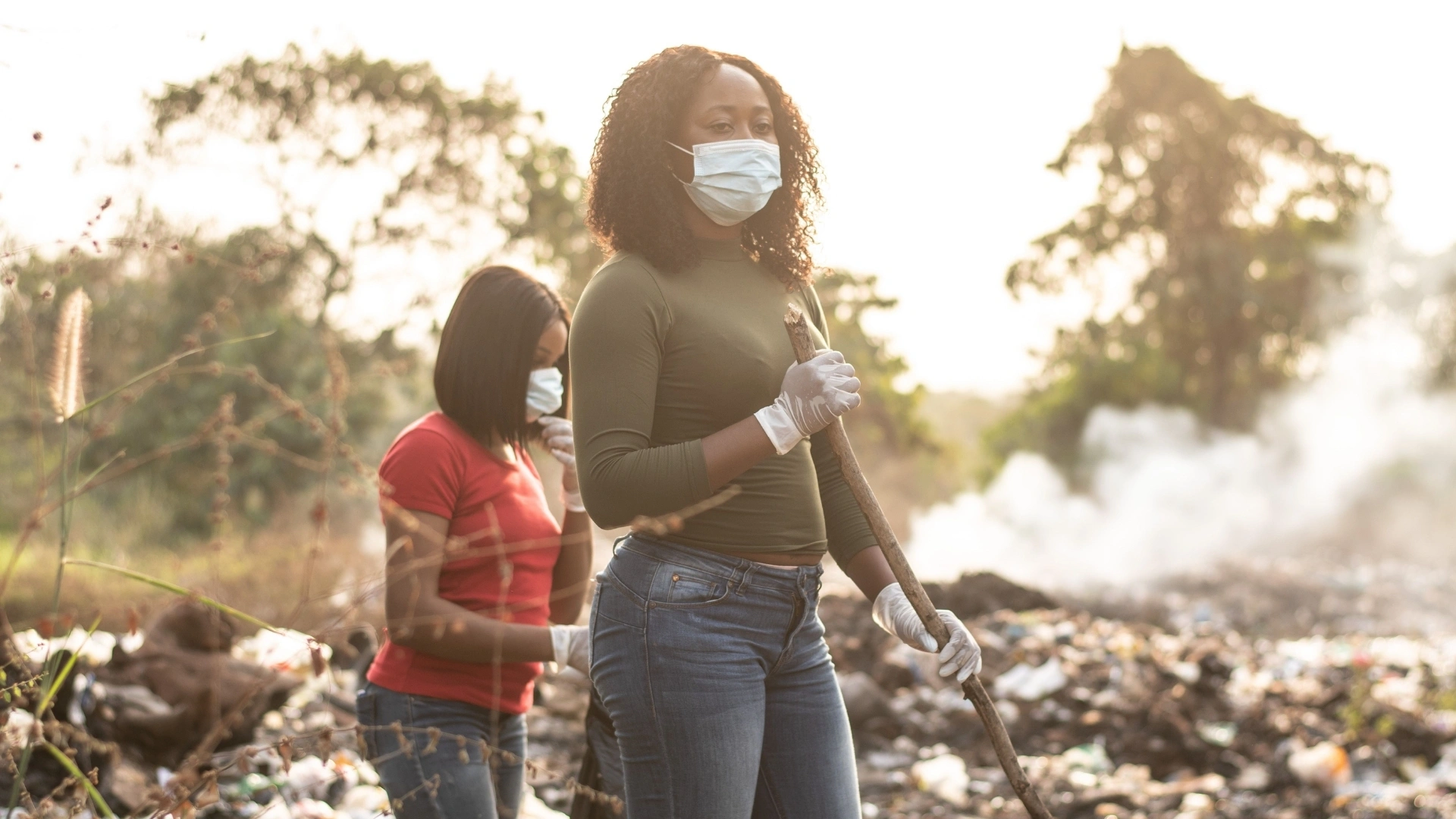
Anakwue proposes the idea of the “Heart-Healthy City” — an urban environment designed not merely to accommodate people, but to reduce their exposure to harmful pollutants while encouraging healthier living. Such cities would combine cleaner energy, better waste management, green spaces, cleaner food and cooking systems, improved water and sanitation, appropriate separation of industrial activities from residential communities and equitable access to healthcare.
Green spaces, in particular, should no longer be treated as decorative additions to Nigerian cities. The lecture identifies urban greenery as one way of reducing air pollution, cooling urban environments and creating healthier spaces for communities.
Ultimately, the argument is about changing the starting point of cardiovascular prevention.
For decades, the conversation has largely been about what individuals should do after risk has already accumulated: control their blood pressure, reduce their cholesterol, exercise more, eat better and stop smoking.
Those measures remain important. But they cannot fully protect someone whose everyday environment continually exposes them to pollutants.
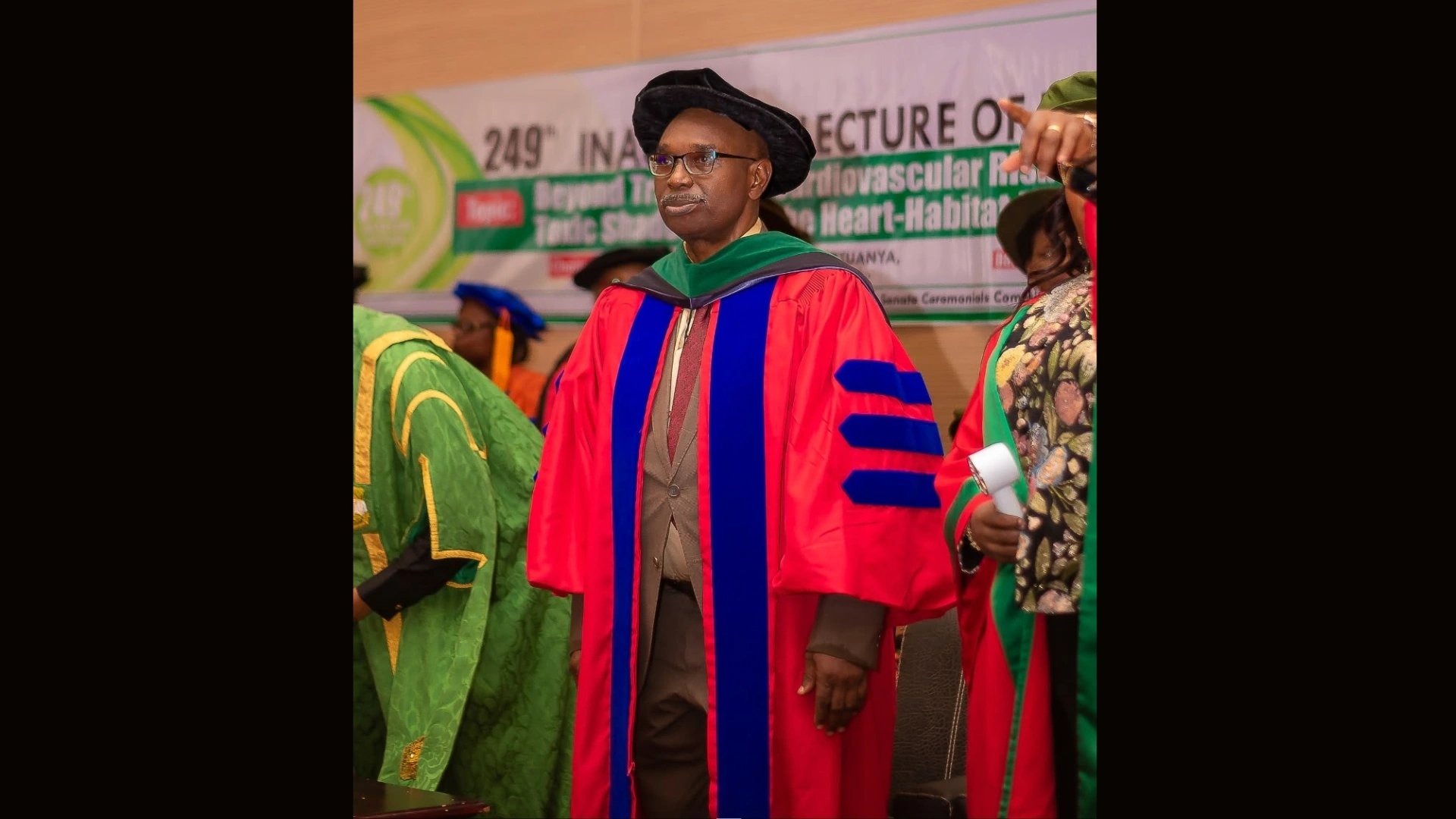
The more difficult question, therefore, is not only whether Nigerians are making healthy choices. It is whether Nigeria is creating environments in which healthy choices are possible.
That is the central challenge posed by Anakwue’s Heart-Habitat vision: to move cardiovascular medicine beyond repairing damaged hearts towards preventing the environmental damage that helps create cardiovascular disease in the first place.
His recommendations amount to a simple proposition with profound implications for Nigeria: cleaner air, safer water, safer food, cleaner energy, stronger environmental regulation and healthier cities should be regarded not merely as environmental objectives, but as essential cardiovascular interventions.

