 Follow Us on Google News



 Follow Us on Google Discover
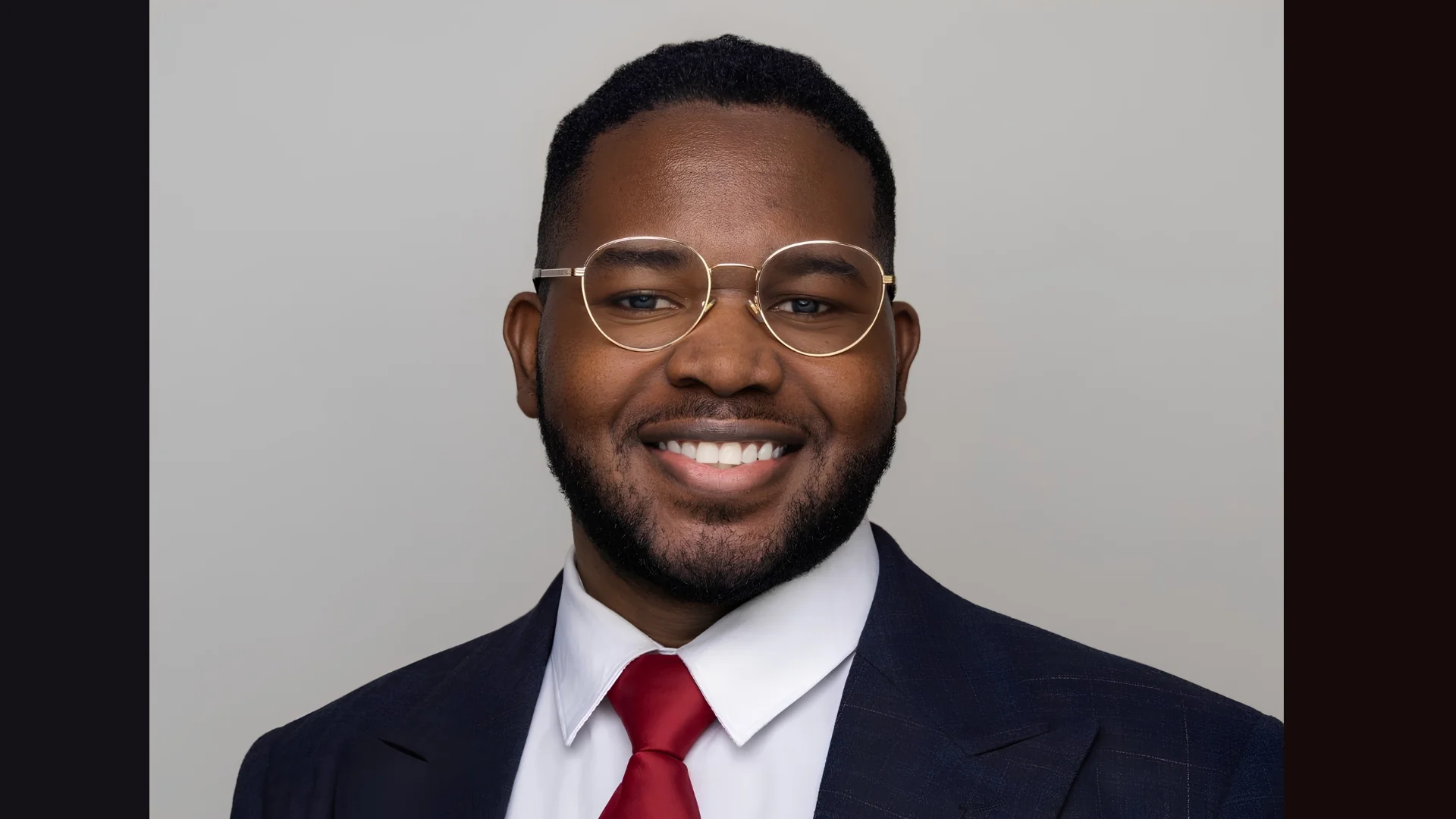
From Ghana to Columbia, MIT and Harvard, Sylvester Benson has dedicated his career to bringing cutting-edge neuroscience and digital health to patients in Africa, building capacity, shaping policy and strengthening communities along the way.
Across Africa the brain is the most neglected organ in medicine. The 47 countries in the WHO African Region average about 0.1 psychiatrists per 100,000 people. High-income countries have more than 10 psychiatrists per 100,000 people. Ghana has roughly doubled its psychiatric workforce in recent years. According to the country’s Mental Health Authority, it grew from 39 psychiatrists in 2021 to about 80 today. Even so, that is about one psychiatrist for every 440,000 people. In Nigeria it is about one for every million, and in the United States roughly one for every 7,000. Most Africans living with depression, psychosis, epilepsy or stroke will never see a specialist. Many never seek care because of stigma, cost and distance. Those who do often find that the treatments they need are unavailable or were never developed with African patients in mind.
Sylvester Benson, a Ghanaian neuroscience researcher and health innovator trained at Columbia University in the City of New York, has made closing this gap his life’s work. His career spans neuropsychiatry, neuro-oncology, community health and health policy. It is all connected by one conviction: Africans deserve the same advances in brain health that patients in countries with advanced healthcare systems already receive.
Progress is already happening on the continent. Where specialists are scarce, communities have built their own solutions. In Zimbabwe, grandmothers trained through the Friendship Bench deliver evidence-based talk therapy on park benches outside clinics. In Uganda, StrongMinds trains lay facilitators to run group therapy for women with depression. The organisation reports that more than 80% are free of depression six months later. These models show that care can be local, affordable and effective. To build on this progress, Africa will also need new treatments and the research capacity to develop them at home. Strong health policies and systems will be needed to bring those treatments to patients.
Africa also depends heavily on medicines made elsewhere. Between 70% and 90% of the medicines used in Africa are imported. As much as 30% of those imports are thought to be substandard or falsified. Africa is home to about a fifth of the world’s population, yet it hosts only 3% of global clinical trials. So the therapies Africans receive are designed, tested and priced elsewhere. They often arrive years late. Without local research capacity, Africa will keep waiting for innovation instead of producing it.
During his research training in the United States, Benson saw this kind of research capacity up close: a system where science, clinical care and industry work hand in hand and new therapies move quickly from the lab bench to the patient. At Columbia Neurosurgery, he studied the biology of brain tumours. At Harvard and Dana-Farber, he worked on early cancer detection and imaging biomarkers. There he learned how lab findings are validated for clinical use. At MIT, he trained in CRISPR-based functional genomics and computational analysis.

As a healthcare and life sciences consultant, Benson advised pharmaceutical and biotechnology companies on strategies to develop and commercialise therapies in psychiatry, oncology and neurology. This work showed him how decisions on trial design, regulation and access determine whether a discovery ever reaches a patient. The question that stayed with him was simple: why not Africa?
His answer has been to build where the gaps are widest, starting at home. In 2020, he led a fundraising effort to set up COVID-19 testing in a rural Ghanaian community that had none. With the Health Factor Foundation, he helped bring free health screenings to more than 100 people across Ghana. He also guides the Ghana programmes of Letters to Strangers, a global mental health nonprofit. Working with the Ghana Suicide Prevention Foundation, these programmes bring mental health workshops and student debates into junior high schools across Accra. He has supported parliamentary offices in Ghana on healthcare infrastructure, policy drafting and community health outreach.
His work extends beyond Ghana’s borders. He worked with a senior World Health Organisation official for the Africa region to co-design a digital mental health platform for young people in Africa. The platform combines screening, peer support and referral to care. It was presented to WHO Africa as a deployable tool for regional digital health systems. With a UN-affiliated maternal health advocate in Nigeria, he co-developed strategies to widen access to obstetric fistula treatment. In the United States, he founded and led the New York and Columbia chapters of Letters to Strangers. Sylvester Benson’s chapters have delivered more than 500 handwritten letters of support to hospitals, prisons, senior care homes, schools and people with disabilities. He also served as president of the Columbia-Bronx Oncology Living Daily Program (Columbia BOLD) at the Albert Einstein College of Medicine. This organisation works to support cancer patients in the Bronx, a community with limited access to cancer care. Under his leadership, the group supported more than 100 patients and families.
These efforts have earned recognition for academic excellence, leadership and social impact. He graduated from Columbia with honours in Neuroscience and Behaviour. The university also recognised him with awards as a change agent, for outstanding leadership and for disability advocacy. He earned other academic prizes as well and was inducted into honour societies. In 2021, the Institute of International Education invited him to give a keynote address to its trustees and donors. In it, he represented more than 300,000 international scholars and advocated for international education. In 2023, he was named a finalist for the 2024 Rhodes Scholarship for West Africa. He was one of 14 chosen from more than 3,000 nominees across 18 countries.
Looking ahead, Benson is focused on translational research. His aim is to turn scientific discovery into better treatment for brain and mental health conditions across Africa. As artificial intelligence reshapes medicine, he is also exploring how clinical AI can extend scarce specialist expertise. Such tools could support health workers where psychiatrists and neurologists are few. His long-term vision is to help strengthen research, training and clinical trial capacity on the continent. This way, Africa can contribute to and benefit from global advances in brain health instead of waiting for them to arrive from abroad.

