Social media has turned cooking into an aesthetic experience, from spotless white kitchens to fancy cookware sets. It’s easy to get tempted by that cute, shiny pot you saw in your favourite food creator’s video.
The fancy look, the way the steam rises perfectly for the camera, it’s enough to make anyone want to splurge on it. But before you do, let’s slow down a little and talk about what really matters when it comes to cookware.
Not all pots are created equal. Some are built for slow, flavourful stews, while some are designed for fast frying or delicate sauces. Understanding the difference between materials and how they interact with your cooking style can save you from unnecessary spending and kitchen frustration.
Stainless steel
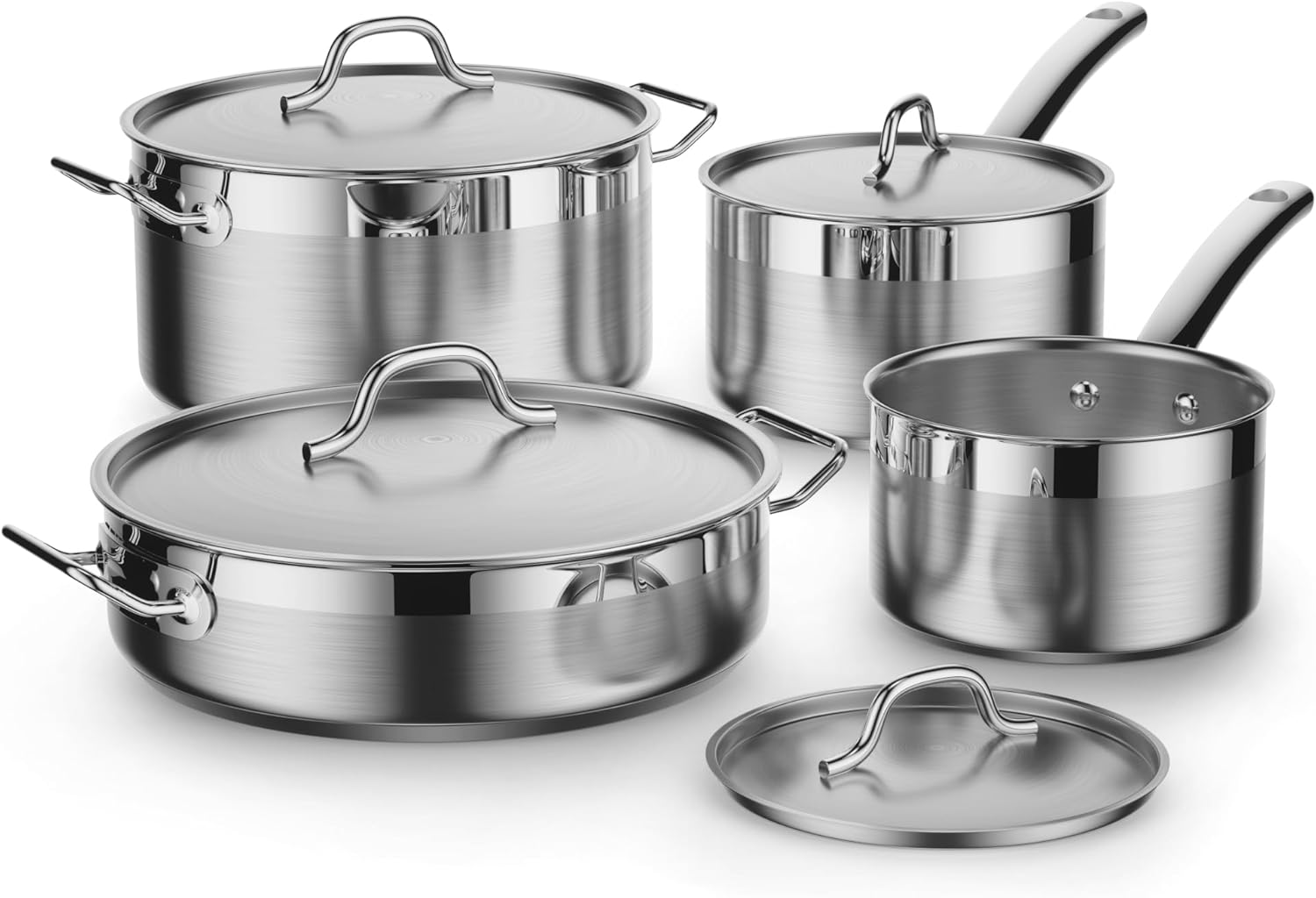
Stainless steel pots are the all-rounders of the kitchen. They don’t chip, rust, or react with acidic foods like tomatoes or lemon juice. They’re great for everyday cooking, from boiling pasta to sautéing vegetables. They’re also extremely durable, which makes them a long-term investment. However, stainless steel doesn’t heat up as quickly as other materials, so it’s best to preheat it properly before adding food to prevent sticking.
Non-stick
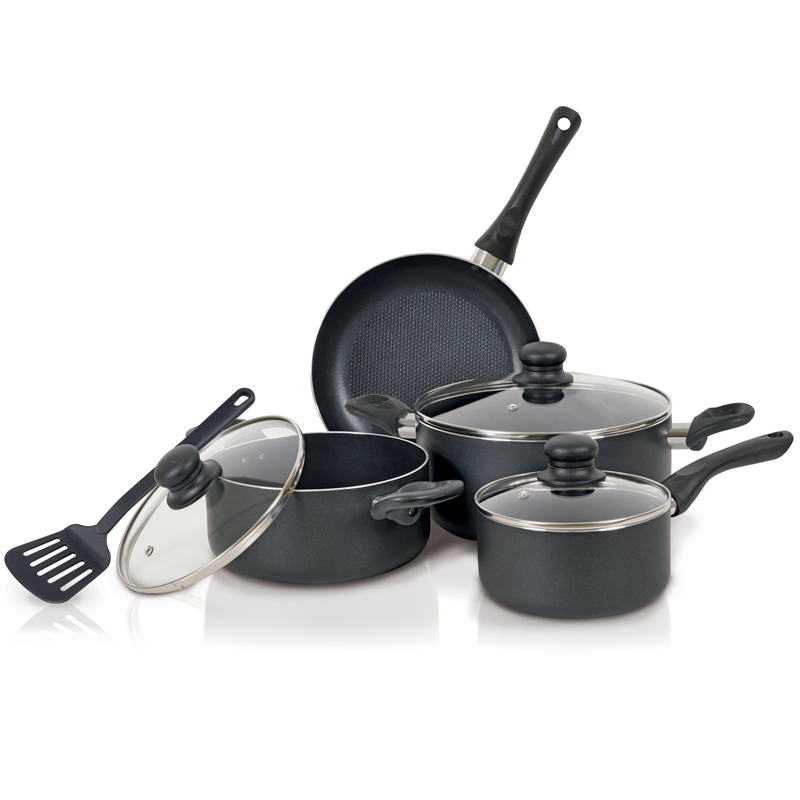
They are perfect for those who love cooking with little or no oil. They make flipping pancakes, frying eggs, and stir-frying veggies effortless. But they’re also delicate. Non-stick surfaces can’t handle very high heat; anything beyond medium heat risks damaging the coating. And once that coating starts peeling, it’s time to replace the pan, because it might be risky for your health. To extend its life, avoid using metal spoons or scrubbing pads.
Glass pots
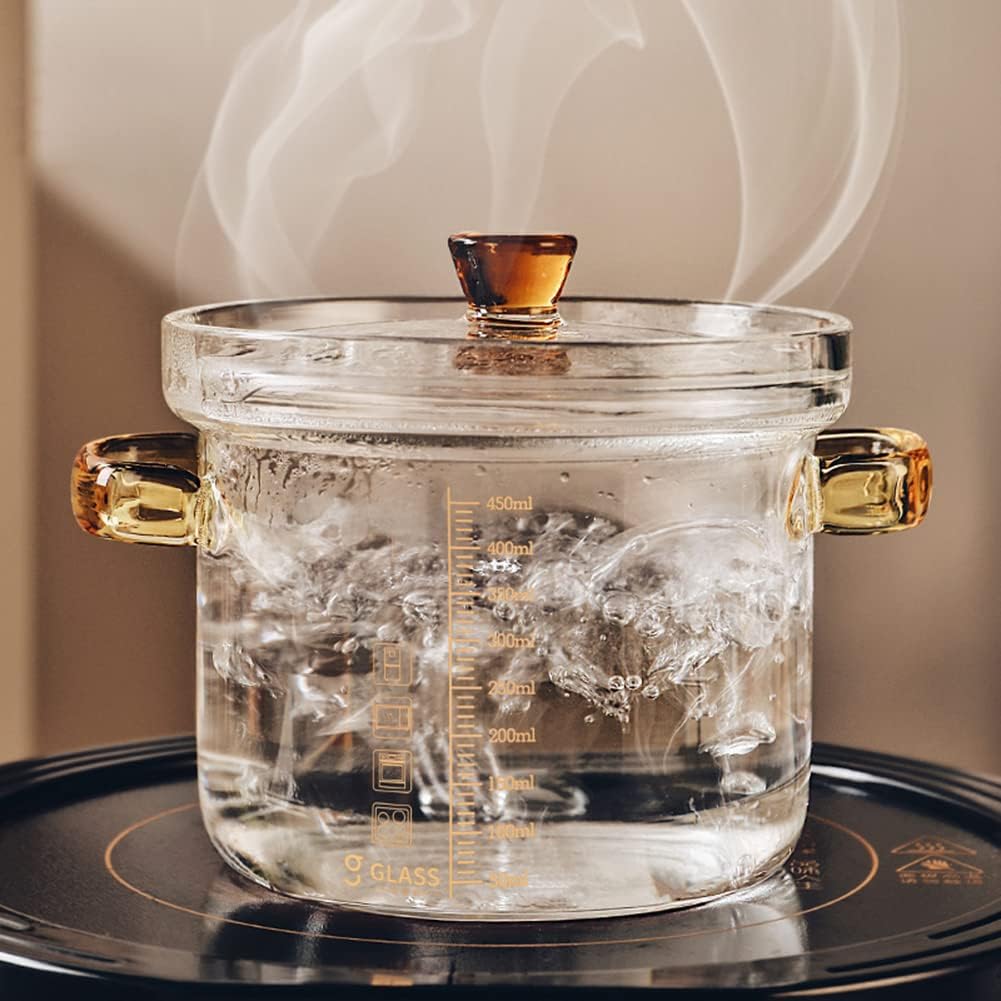
Glass pots are the new kitchen sweethearts, especially for people who love filming “aesthetic” cooking videos. Their transparent design makes them visually appealing, but they have limits. Glass pots can only withstand moderate heat and are best for boiling or light simmering. They’re not ideal for frying or cooking on high flames. Always let them cool down naturally before washing, as sudden temperature changes can cause cracks or even breakage.
Cast iron
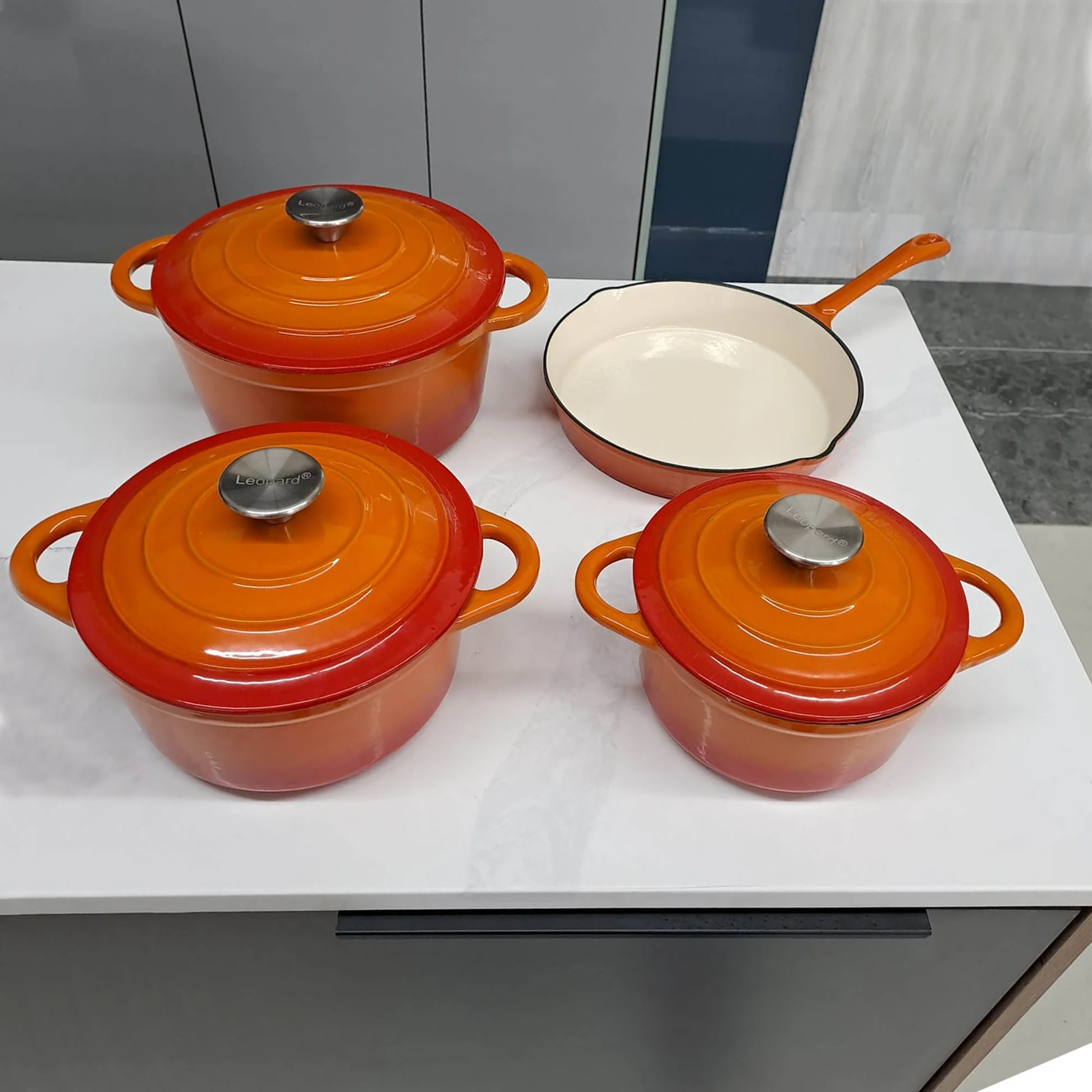
They are the heavyweights of the kitchen. They retain heat like no other and can go from stovetop to oven with ease. They’re perfect for jollof rice, stews, and soups that need slow, steady simmering. However, they require care washing, drying, and oiling regularly to prevent rust. Once seasoned properly, they develop a natural non-stick layer that enhances the flavour of food over time.
Ceramic pots
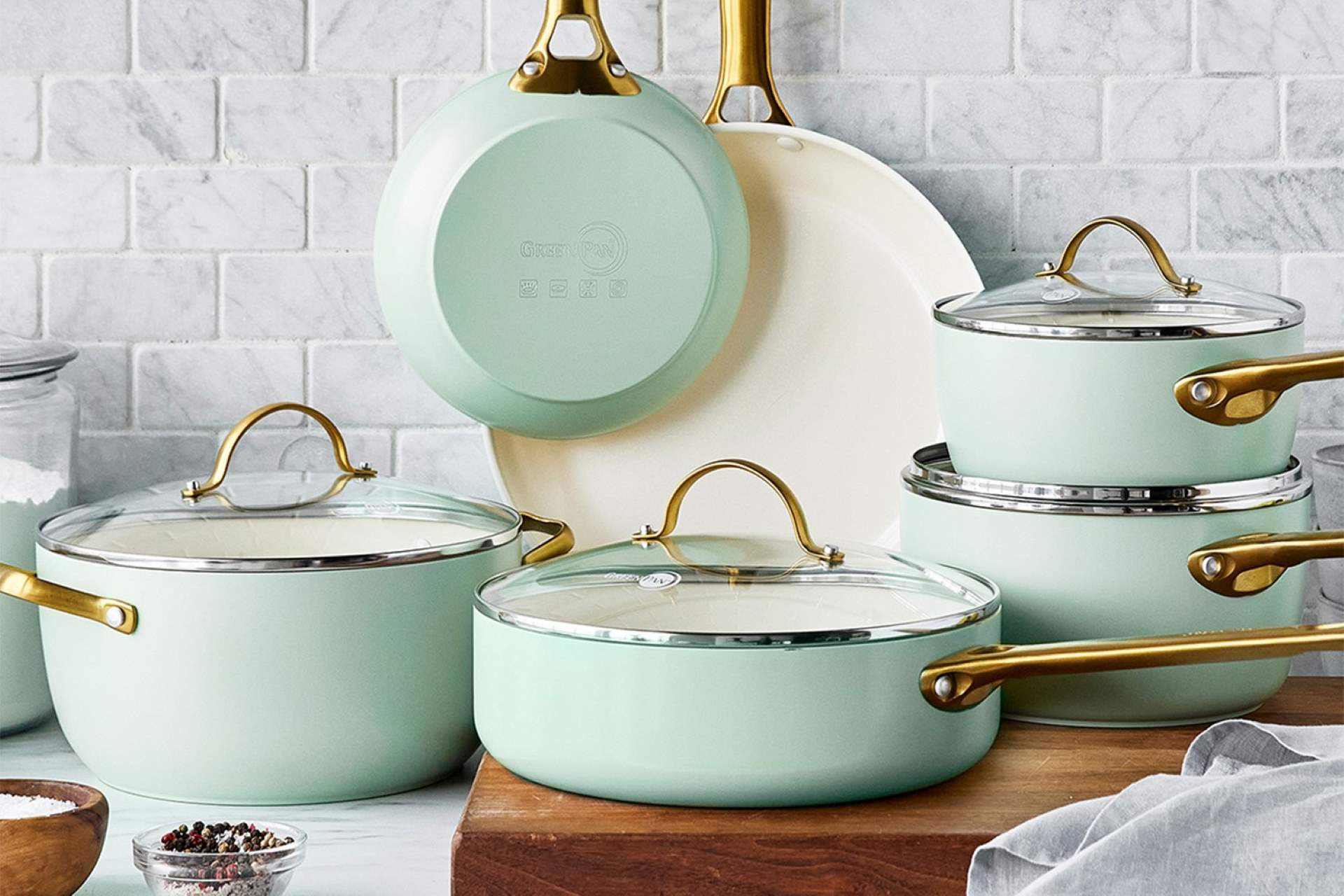
Ceramic pots win on aesthetics. They’re the Instagram favourites. They are colourful, non-toxic, and beautiful enough to serve straight from stove to table. They distribute heat evenly and are perfect for light cooking, pasta sauces, and baking. The downside? They’re fragile and can chip or crack if dropped or used roughly.
At the end of the day, the best cookware isn’t the prettiest; it’s the one that fits your cooking habits and lasts. So before you splurge on that fancy pot your favourite influencer is using, think beyond the looks. A good pot should make cooking easier, faster, and safer, not just prettier on your kitchen shelf.