₦417 million in 12 days might sound like a headline. But for Femi Adebayo, this isn’t just a number; it’s a return. A return to the audience that shaped him, to the kind of storytelling that built him, and to the belief that perseverance is still the most powerful force in the film industry.
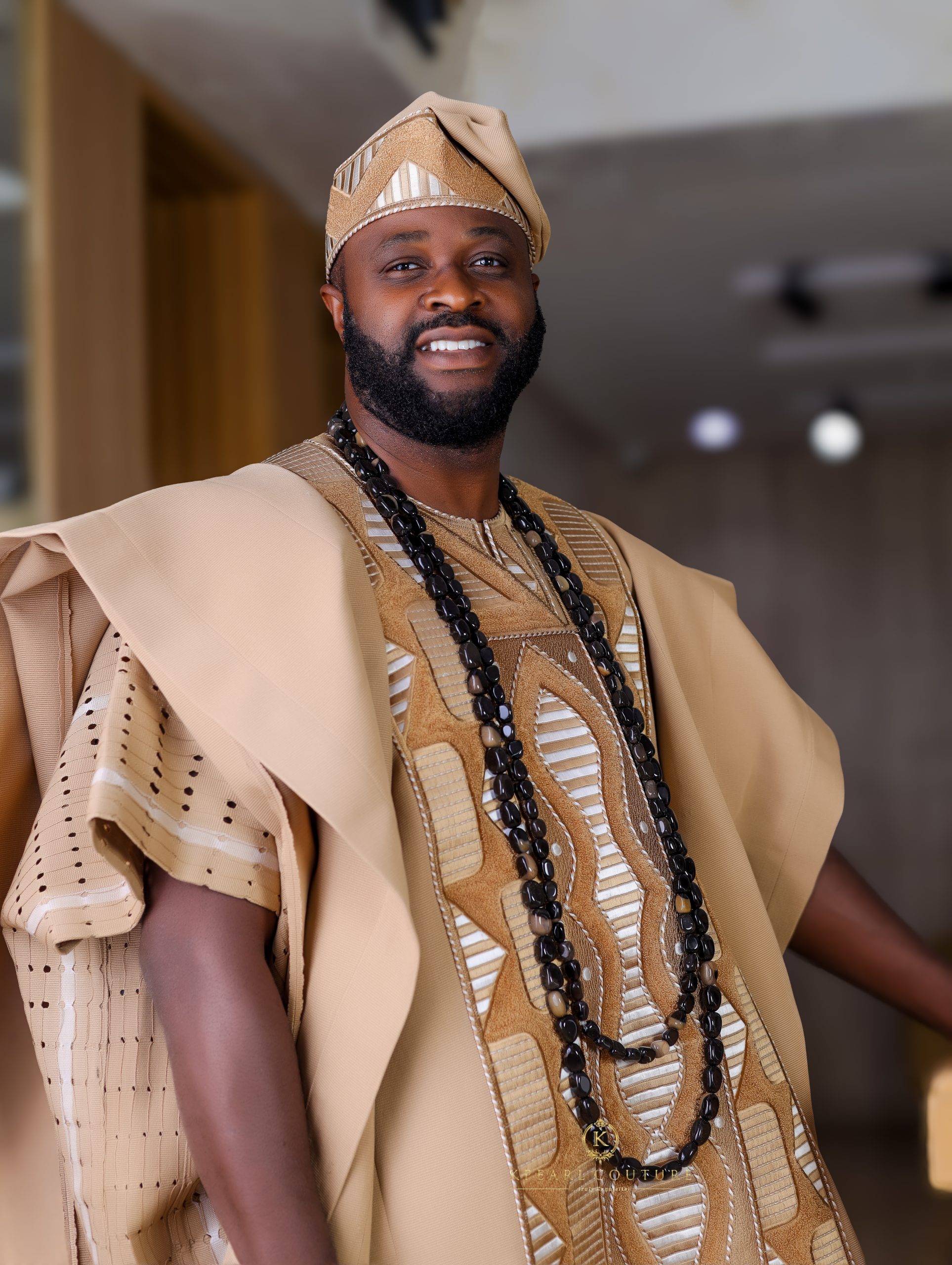
When a Nigerian film grosses ₦417 million in just 12 days, the numbers alone can hijack the story. That kind of success makes people stop, talk, and speculate. But if you ask Femi Adebayo what it means, he’ll tell you plainly: it didn’t just happen. For many major cinema releases in the last five years, that number was not some insurmountable hurdle. But it is how Adebayo achieved his that set him apart.

His latest epic, Agesinkole 2: King of Thieves, hit the box office milestone through community cinemas in southwest Nigeria. There was no national push, over-the-top social media promotion, or influencer-driven campaign.
“It’s a huge blessing,” he says. “I mean, when you hear ‘₦417 million in 12 days,’ it sounds crazy. But there’s a story behind that number. There’s a long journey behind it: community, rejection, patience, and serious perseverance.”
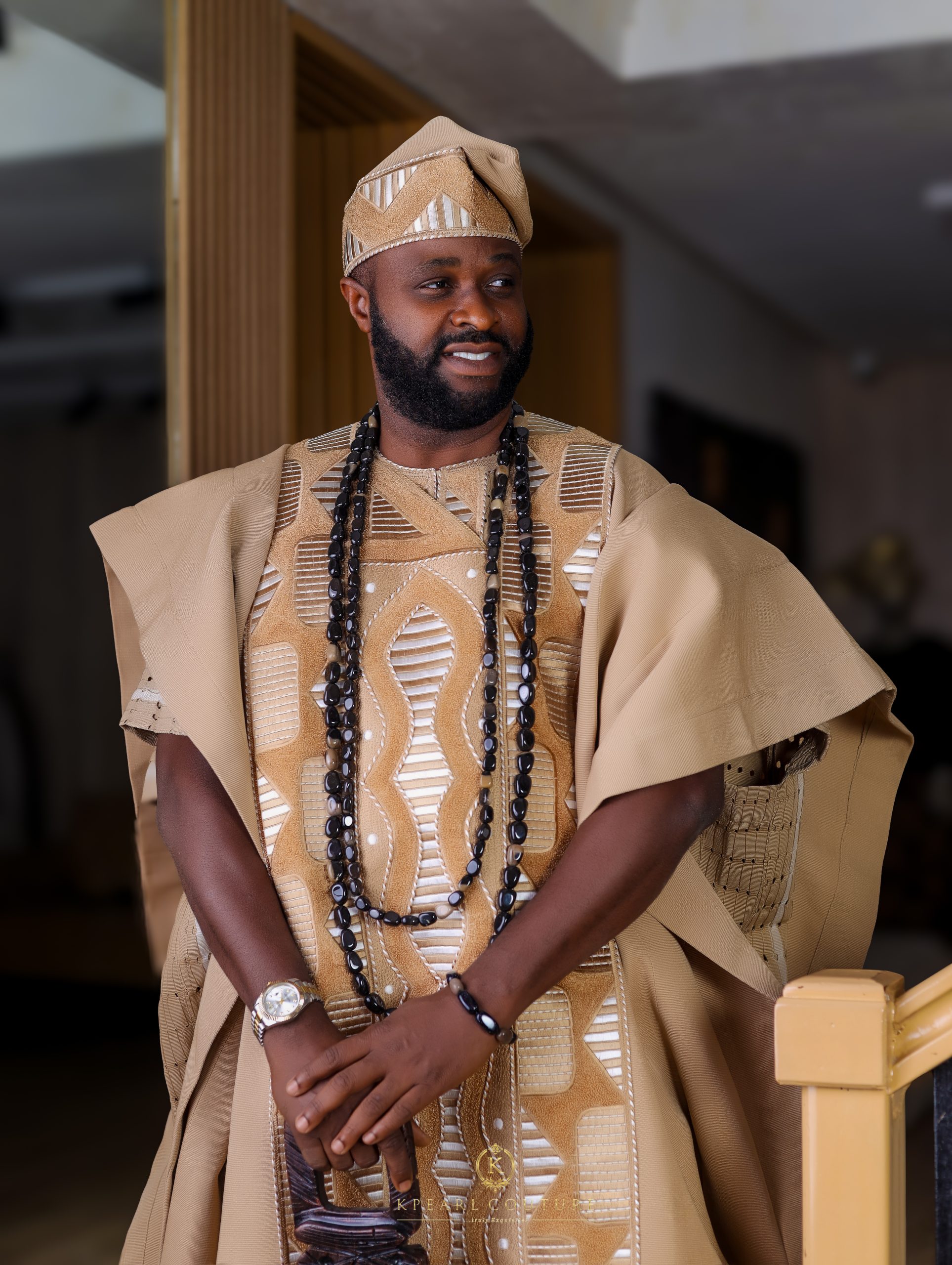
For most, this is a breakout moment. For Adebayo, it’s a return.
“I saw a huge gap between content creators and the audience they serve,” he says. “Many people find it extremely difficult to come to conventional cinemas. ”
The problem wasn’t the content. It was the access. “We grew up giving everything to those fans,” he says. “And over time, I felt they had been abandoned.”
That realisation became the blueprint. Rather than wait for underserved audiences to find their way to cinemas, he brought the cinema to them. Literally.
A BLUEPRINT FROM THE PAST
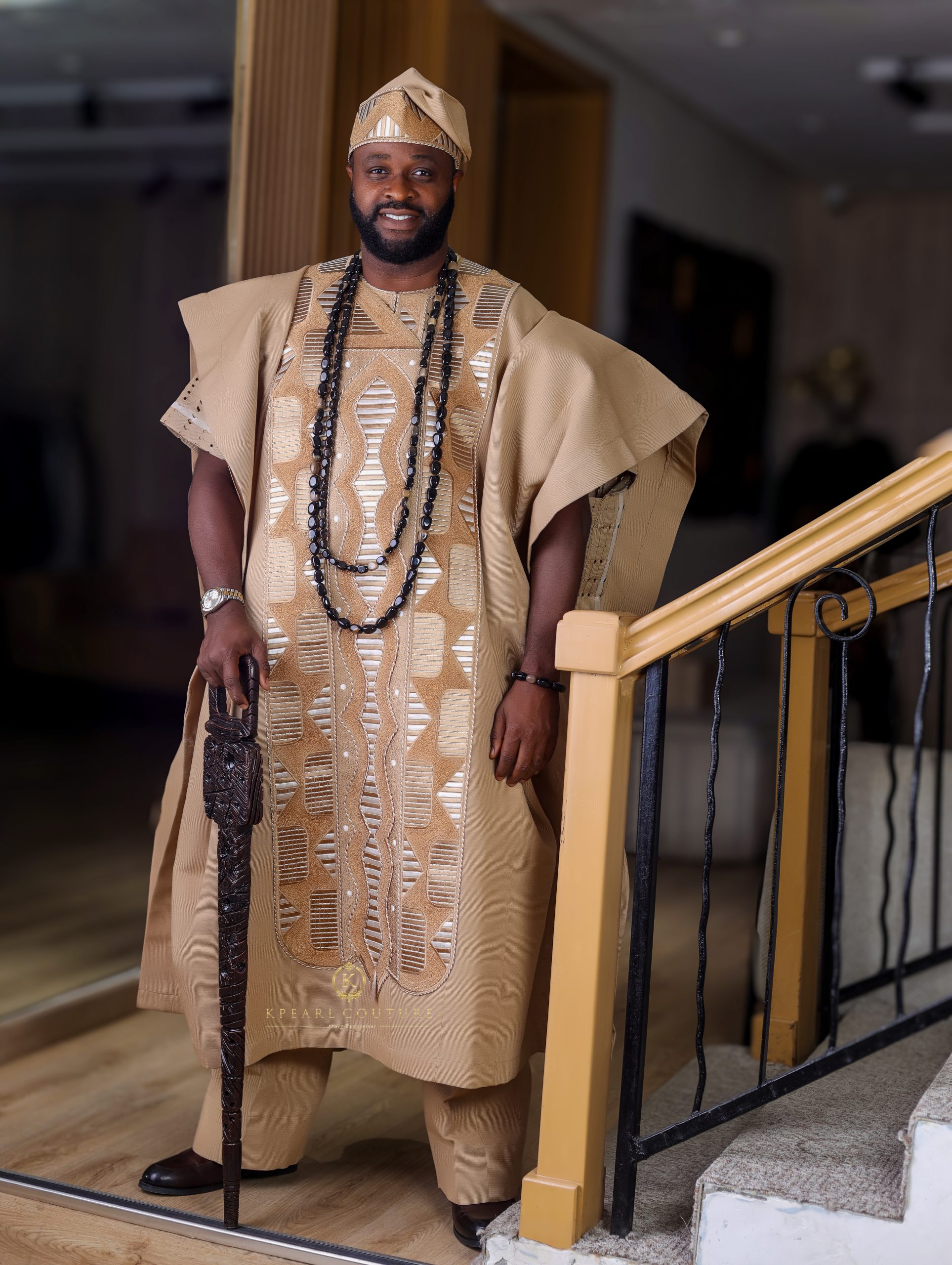
The concept wasn’t new; it was inherited.
His father, the legendary Adebayo Salami — known to many as Oga Bello — was a force in the Yoruba film world long before the digital age. Adebayo grew up watching his father act and build. Theatre. Audiences. Legacy.
It was an environment full of movement. Productions on the road. Scripts on the floor. Rehearsals spilling into everyday life. While other kids played, he watched and absorbed. By the time he was stepping onto sets himself, he had already internalised the rhythm of the work.
“We used to have travelling theatre,” he tells Guardian Life. “That’s what we called it. We had a movement that brought performances directly to the people, from village to village, town to town. They’d set up a stage, perform, pack up, and move again. I was lucky to experience that growing up.”
This model, nimble, intimate, and communal, inspired Agesinkole 2: King of Thieves’ rollout. Alongside Blue Pictures and Circuits, Adebayo’s Euphoria360 Media built a distribution plan that didn’t rely on the exclusivity of conventional cinemas. Instead, it prioritised reach. He focused on community cinemas in towns across Nigeria’s southwest states.
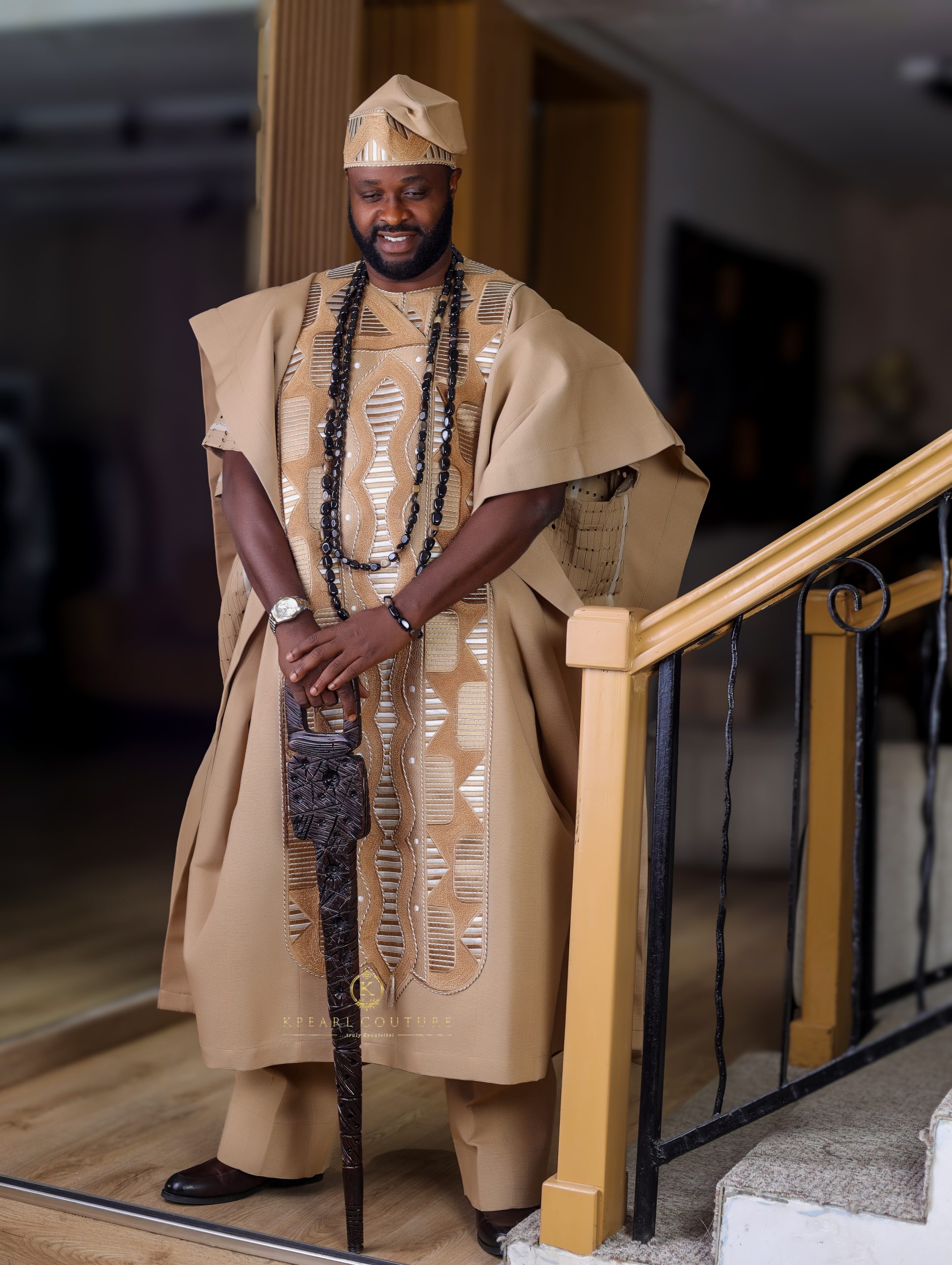
“We used venues with 200, 500, even 1,000 seats,” he says. “We reduced ticket prices to ₦4000 and ₦3000. And we noticed something: most people didn’t buy just one ticket. They’d buy 10, sometimes 15. They came with friends, family, whole groups. It was community.”
That community brought in the numbers: people who felt the story belonged to them. People often left behind by the cinema system who finally saw someone bringing it home.
Even after Jagun Jagun 1 was released to critical acclaim on Netflix, Femi Adebayo decided to go against the conventional cinema path.
“There was no moment when I feared bypassing traditional cinema chains for community cinemas,” he says. “But I knew it was going to be tactful and challenging. It was extremely new to people.”
The challenge was more cultural than just about logistics. Community cinemas don’t come with red carpets, pre-release media runs, or multiplex comfort. But they offer something else: proximity.
A DIFFERENT KIND OF VICTORY
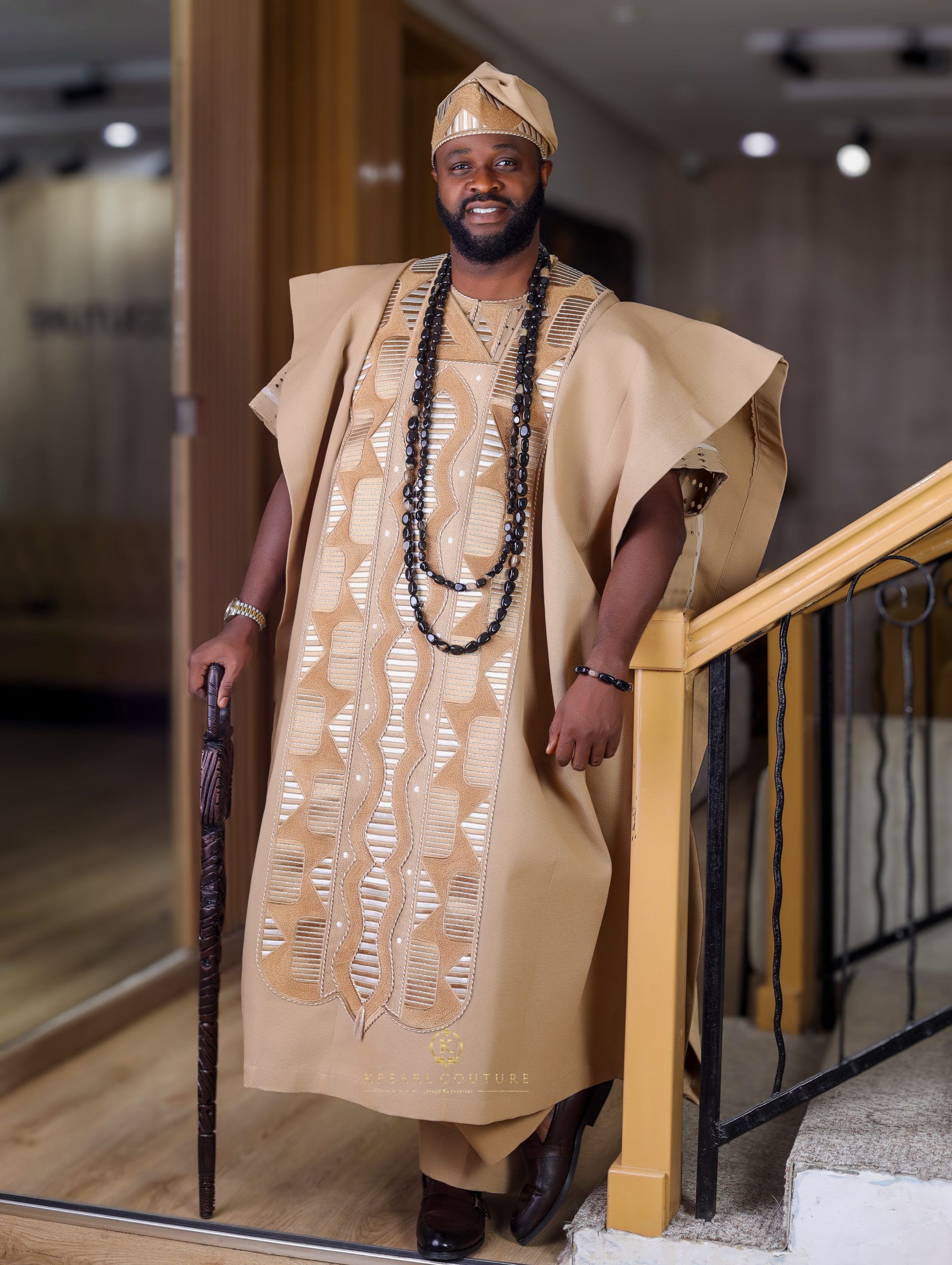
To bring that model to life, Adebayo leaned on his distribution network: Euphoria360 Media, Blue Pictures, and Circuits. Together, they structured a rollout strategy that focused on reach, not exclusivity.
“This model is not a one-off,” he says. “Ideally, I want to run community cinemas alongside conventional cinemas. There is a huge untapped market.”
And the data backed him up. These weren’t scattered screenings in remote spaces. They were full-scale events: large-capacity venues, modest pricing, and bulk ticket sales.
“Even if you have the best product in the world, if people can’t afford it, you won’t sell it,” Adebayo says. “So we focused on turnover.”
And turnover came fast.
The result? Speed. Scale. And connection. “They came with people. With family. With neighbours.”
That behaviour was the point. Group viewership and shared access echoed the spirit of the travelling theatre era: people gathering to experience stories together, not in isolation, but in collective memory.
“It was extremely new,” he says, “but what made it work was hard work and strong collaboration. I must give exceptional credit to my partners.”
PERSONAL DECISION
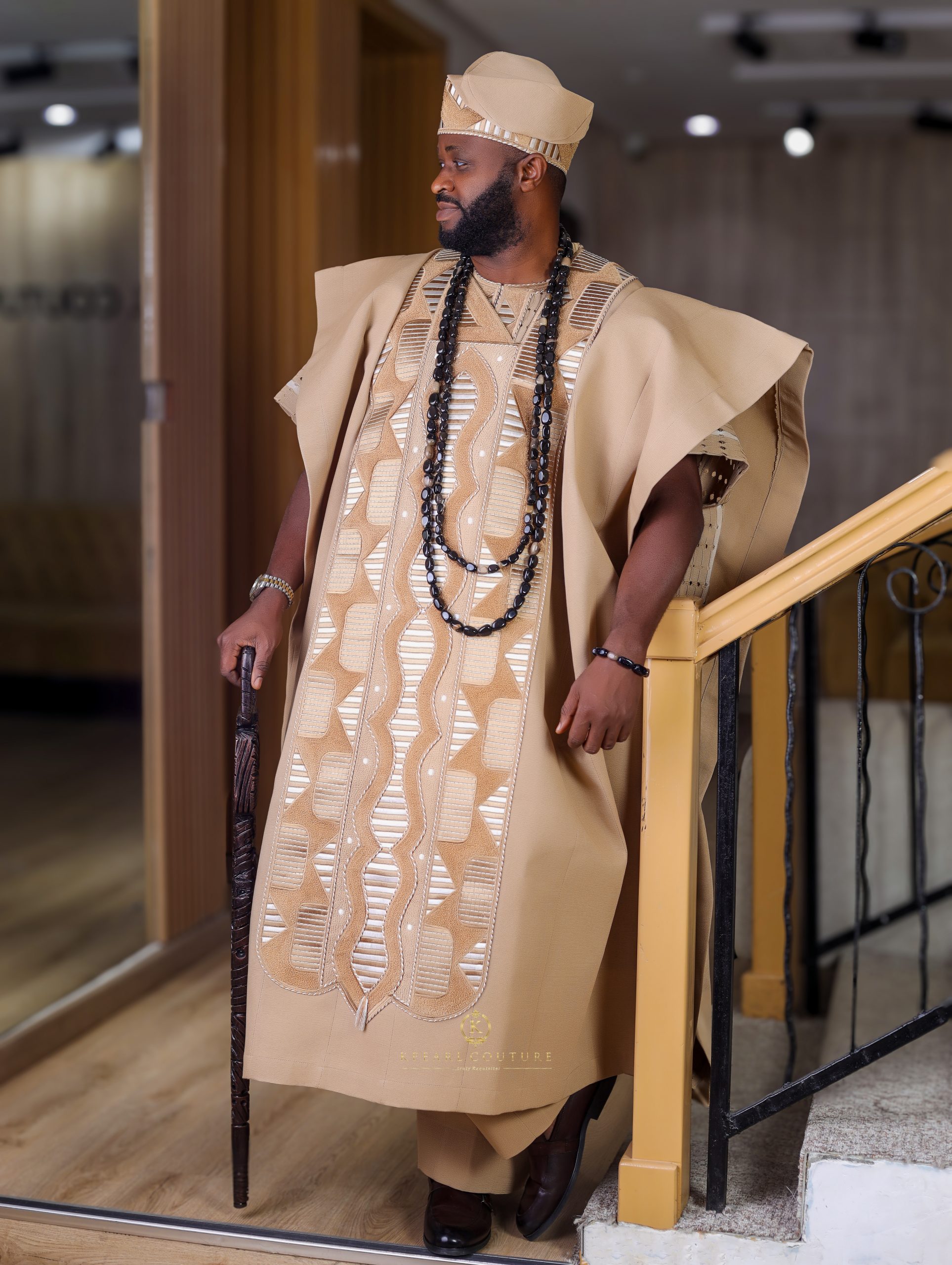
This decision wasn’t a marketing ploy. Adebayo wanted to reach those long ignored by cinema’s class divide and rising costs. Streaming, while accessible, is still limited.
Community cinema felt like a homecoming. While the old village square spectacles were no longer a solid choice, going the community cinema way brought him closer to the people he wanted to connect with.
The same people who once gathered in open fields to watch his father perform. The ones who followed productions from town to town, carrying folding chairs and small lanterns. The ones who cheered, cried, and returned again the next night. These were the people who made the work matter. And somewhere along the line, they were left behind.
But also, he had learned from the first Agesinkole. After wrapping production, support was nowhere. Streaming platforms, distributors, and cinema houses were unwilling to take the project from him.
“It was a Yoruba-language, fully indigenous film. And for almost a year, I couldn’t get any major platform to take it. The doors didn’t open. Not even a crack. I tried. I begged. I waited. I prayed. I had sleepless nights,” he says. “I kept asking God, ‘I have to make this work. Don’t let me fail.’”
Eventually, FilmOne took Agesinkole 1 on, and it grossed about ₦320 million despite an initial projection of ₦70 million.
That season left its mark. So when it came time to reimagine distribution, Adebayo didn’t look ahead. He looked back.
THE FILM THAT CHANGED EVERYTHING

Before the budgets and box office numbers, Femi Adebayo had already experienced the power of a story. There was a moment, long before Agesinkole and Jagun Jagun, that stayed with him. He had watched people cry. And not just from emotion, but from recognition.
“Omo Orukan: The Orphan,” he says. “That film changed me.”
He was still young then, but after the film ended, he watched a woman approach his father and ask a question he has never forgotten: “Where did you get my story from?”
It wasn’t a compliment. It was a confrontation wrapped in emotion. The story had reached so deep into her own life that it no longer felt like fiction.
“I watched it and people were just crying,” he remembers. “It touched them.”
That moment helped shape his understanding of what film could do. It could be entertainment, but also a mirror.
“It showed me how powerful storytelling is. How it connects with people emotionally,” he says. “The audience is not just people watching; you’re reflecting their lives back to them.”
It’s why relatability matters to him now, not as a buzzword, but as a measure of truth. A film isn’t great because it’s loud or expensive. It succeeds when someone sees themselves in it and feels less alone.
LESSONS IN PERSEVERANCE
Femi Adebayo doesn’t romanticise the grind; it nearly broke him. But that year, 2020, the one where nothing seemed to move, taught him what years of success couldn’t: the power of staying.
“Sometimes you work and work and see no results,” he says. “You push yourself, try different things, and nothing’s happening. But if you give up at 75 or 80 percent, the industry doesn’t even notice. You must keep pushing.”
So he did. He worked and prayed and stayed. Until Agesinkole 2: King of Thieves broke records and patience became proof of a long game mapped by quiet resolve, not just a lucky moment.
“Passion is already there, but what truly matters is perseverance. That is where people get tired and give up.”
Often, he believes, the breakthrough comes just after most people would have stopped. “I don’t get tired,” he says. “Until I get there, even if I fail, I try again.”
That same persistence shaped how he began to think about scale. He studied other film industries to understand how ambition could coexist with language and culture.
“After Agesinkole, the confidence was there,” he says. “We scaled up. Bigger production. More costume. More people.”
Bollywood, in particular, stood out.
“I kept asking myself, what are these people doing?” he says. “They invest in technicalities: their costumes, makeup, the scale. That’s what stays with you.”
So he brought that intentionality into Nigerian storytelling: costume, structure, and cinematic weight, with Yoruba language, history, and heart at its centre.
What followed confirmed what was always there: that local-language films could dominate the box office, draw massive audiences, and still stay true to their roots. The ₦417 million number affirmed him.
STAYING POWER BEYOND THE SCREEN

With the industry now paying attention, Adebayo’s focus has shifted beyond individual projects. He is thinking of systems.
“I want to make a greater impact in the industry,” he says.
That impact looks practical: a ₦100 million funding window for emerging producers, medical support for ageing actors, continued academic and training initiatives, and community cinema models that reach audiences the mainstream venues overlook.
It’s clear Adebayo is not interested in momentary success. What matters to him is what remains after the applause fades: a structure that holds, a working ecosystem that outlives any premiere or release, and a path others can follow.
And perhaps that instinct comes from somewhere deeper.
What drives him isn’t spectacle for its own sake. It’s legacy. His father’s footsteps. An audience that has stayed loyal. A commitment to telling big, grounded Yoruba stories with scale, discipline, and heart.
“I’m a filmmaker,” he says simply. “When you create content, you just entertain. But filmmaking has to be relatable.”
Relatable, yes. But also resilient.
Because beneath the acclaim and the numbers, Femi Adebayo’s truest role is no longer in question, not the man who arrived, but the one who refused to leave.