
 Get Guardian on Google
Industry leaders and Real Estate professionals at the fourth GIDI Intra-Africa Real Estate Conference have examined the structural challenges limiting investment in Africa’s housing sector, calling attention to the relationship between capital availability, institutional credibility, effective policy and the capacity of developers to deliver bankable projects.
The discussions formed the centrepiece of GIDI IARC 4.0, held in Sharm El-Sheikh, Egypt, on November 2 and 3, 2026, under the theme, Building Africa: Bridging the Funding Gap in African Real Estate.
Through specialist presentations and two moderated panel sessions, participants explored why Africa’s considerable housing needs have not consistently translated into sustainable investment opportunities and accessible housing finance.
The first panel, Mapping Africa’s Real Estate Funding Gap and Mobilising Capital for African Real Estate, brought together The GIDI Company Limited’s Chief Executive Officer, Tobi Akerele; Dr. Nero Ughwujabo; Dr. Roland Igbinoba; Dr. Tarek Madany; and Dr. Summy Smart Francis. It was moderated by GIDI’s Chief Operating Officer, Ayorinde Ejioye.
A central argument emerging from the conference was that addressing the continent’s funding gap requires improvements in the institutions, policies and commercial practices through which investment reaches the real estate market.
In his presentation, From Sales to Capital: The Realtors’ Role in Bridging Africa’s Funding Gap, Tobi Akerele advanced an expanded role for real estate professionals, positioning realtors as contributors to capital mobilisation rather than participants concerned solely with property sales.
His presentation explored how realtors could aggregate verified housing demand, connect developers with financeable buyers and support relationships between property developers, financial institutions and investors. He also advocated business practices that prioritise due diligence, financial transparency and responsible customer engagement.
Addressing operational readiness, Ayorinde Ejioye examined the institutional requirements African real estate companies must satisfy to attract and manage long-term investment.
His presentation identified corporate governance, auditable financial records, effective risk management, technology, business strategy and specialised professional capacity as important foundations for investment readiness.
The argument was particularly relevant to developers whose commercial expansion may have outpaced the development of their internal governance and operating systems.
Dr. Nero Ughwujabo, Managing Director of Pinecone Strategy Limited, examined the connection between policy, inclusion and investment. His presentation argued that capital mobilisation depends on the ability of governments and developers to translate policy objectives into credible investment opportunities supported by clear risk allocation, appropriate project structures and predictable institutions.
He further highlighted the importance of affordable housing, community participation and cross-border partnerships in creating investment propositions capable of delivering both commercial and social value.
Dr. Tarek Madany, Managing Director of Global Appraisal Tech and Adjunct Professor at the American University in Cairo, examined professional valuation as an essential component of real estate financing.
His presentation distinguished genuine investment risks from perceived and incorrectly priced risks, demonstrating how credible valuation, transparent market information and internationally recognised professional standards can strengthen investment assessment.
The second panel, Building Stronger Housing Finance Markets, extended the discussion to the institutions and financing structures needed to improve homeownership across African markets.
Among the featured participants were Joy Coker, Chief Executive Officer of AXP Africa, and Hala Ghazi El-Helaly, Deputy Chief Executive Officer of Egypt’s Social Housing and Mortgage Finance Fund, representing the Fund’s Chief Executive Officer, Dr. May Abdel Hamid.
The panel explored alternative financing arrangements, mortgage-market development, housing affordability and the relationships required among governments, investors, developers, lenders and realtors.
Coker’s specialist contribution to the conference addressed the potential of alternative capital structures, including institutional investment, private credit, housing funds and blended finance, alongside the safeguards necessary to protect investors and support sustainable financing.
Egypt’s participation provided an important institutional reference for discussions on social housing, mortgage finance and the mechanisms through which public institutions can improve access to homeownership, particularly among lower- and middle-income households.
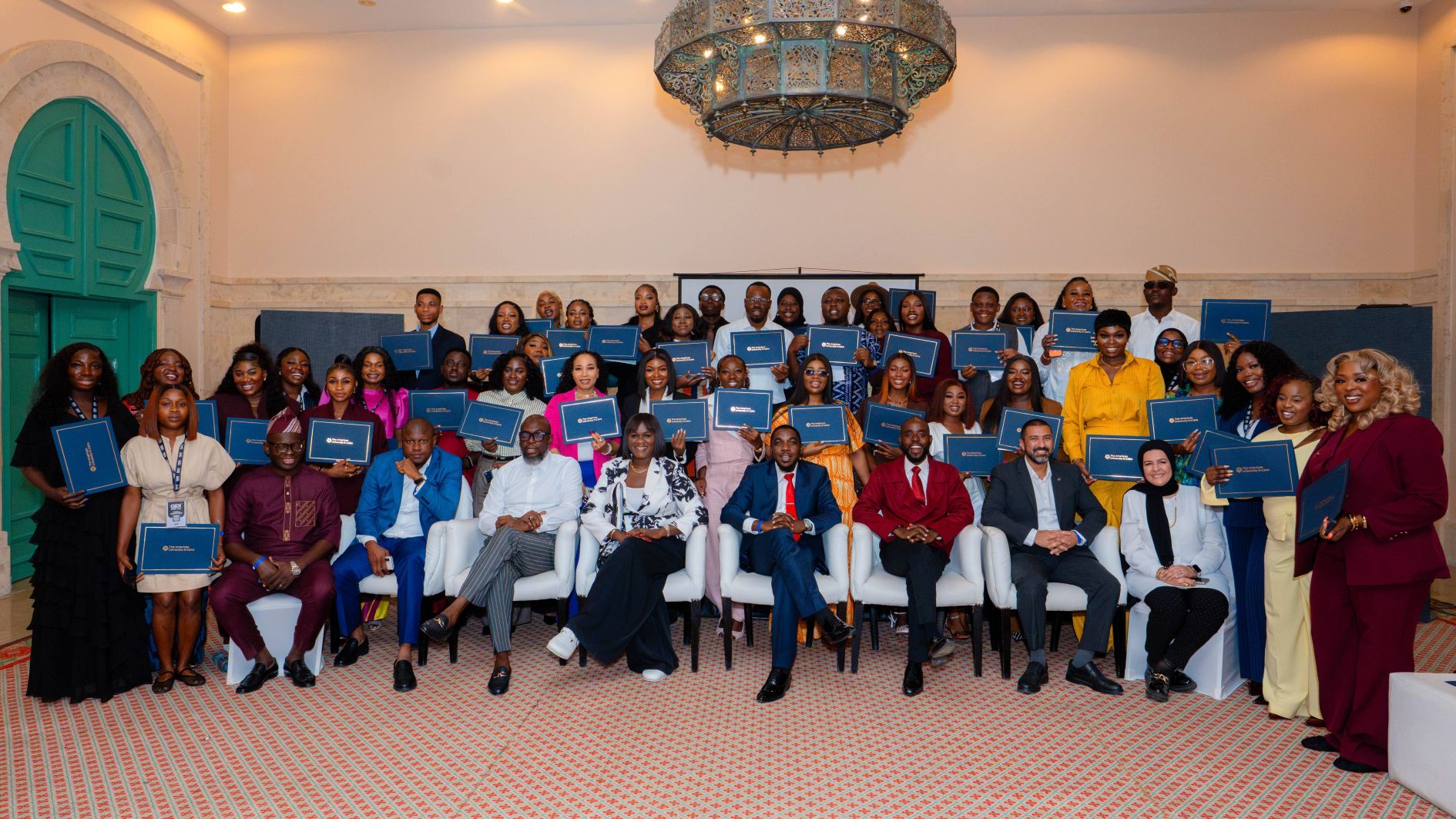
The conference also extended the intellectual discussions into practical financing education through a workshop delivered in collaboration with the American University in Cairo’s Onsi Sawiris School of Business Executive Education.
Facilitated by Dr. Tarek Madany, the workshop examined development cash flows, financing structures and investment decisions through an illustrative residential development case, showing how a profitable project can still encounter a financing shortfall during construction.
The programme subsequently introduced the Africa Real Estate Deal Room, providing a dedicated setting for presenting real estate opportunities to prospective investors and strategic partners.
For The GIDI Company Limited, the fourth edition reinforced its ambition to contribute to the African real estate industry through development, professional engagement and the convening of conversations around challenges affecting the sector.
The conference’s central proposition was that Africa’s housing ambitions require a coordinated response involving investment-ready enterprises, credible financial information, supportive policies and financing institutions capable of connecting capital with development opportunities.
As GIDI IARC continues its continental expansion, the company is positioning the platform to support this exchange of expertise and relationships across African real estate markets.