
 Get Guardian on Google
Creative industry leaders, investors, policymakers and technology innovators have called for stronger infrastructure, strategic capital and deeper cross-sector collaboration to unlock the economic potential of Africa’s creative industries at the fifth edition of the Digital Innovation and Creative Excellence (DICE) Ecosystem Mixer.
Held on Thursday, November 5, 2026, at the Wole Soyinka Centre for Culture and the Creative Arts (National Theatre), Lagos, the event was convened by Beyond Limits as part of the Creative Africa Nexus Weekend (CANEX WKND). It was themed “Igniting African Creativity through Infrastructure and Strategic Capital.”
The discussions examined the structural conditions required for African creative businesses to grow beyond individual projects, reach international markets and generate sustainable commercial value.
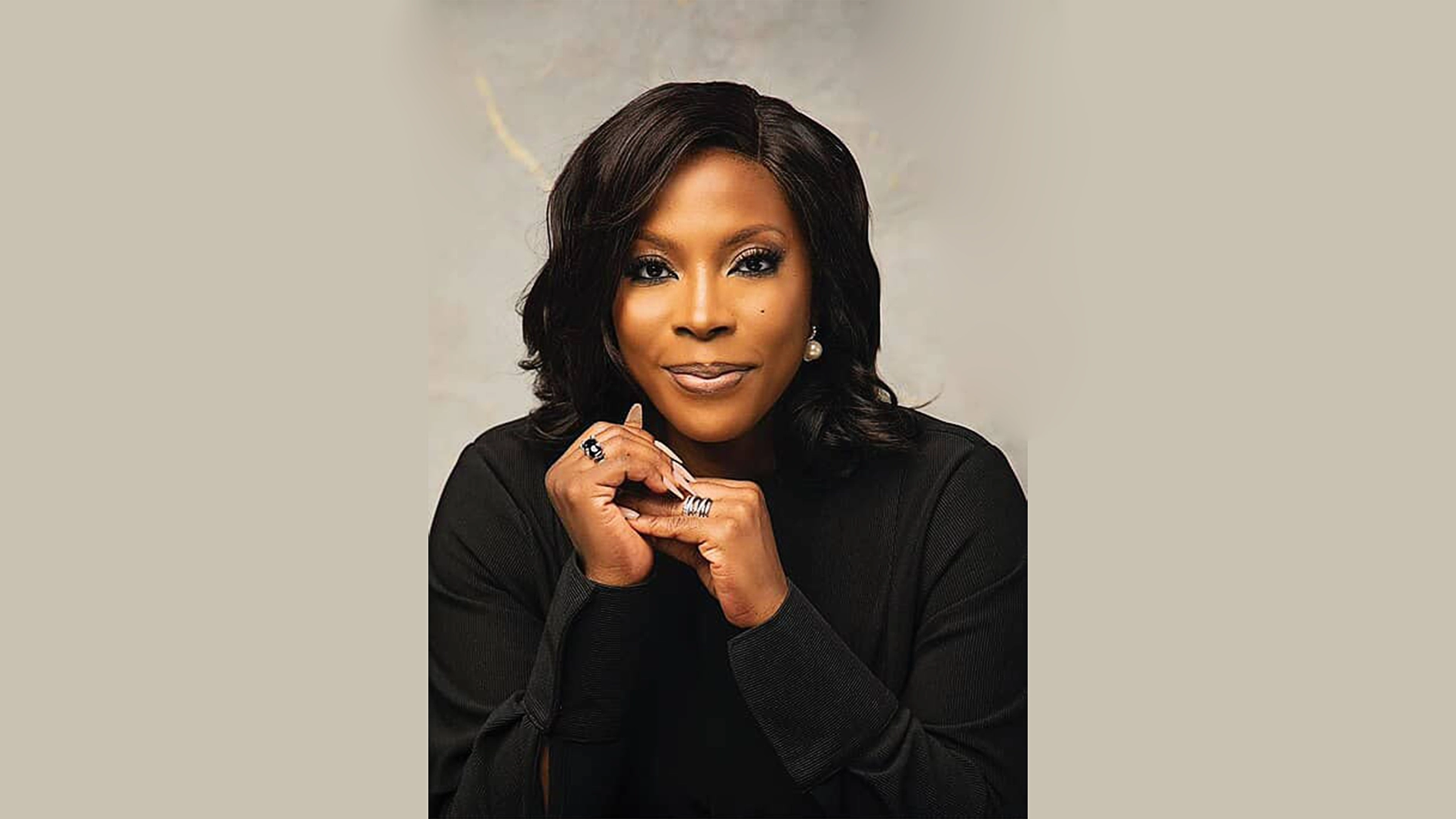
Opening the event, DICE Convener and Founder of Beyond Limits, Dr Juliet Ehimuan, emphasised that the infrastructure required to support the creative economy extends beyond physical facilities.
She highlighted the importance of digital platforms, cross-border payment systems, distribution networks, intellectual property protection and technology tools that enable creators to produce and commercialise their work.
She also underscored the importance of building connections between African creative businesses and global markets, announcing that the next DICE global immersion program is scheduled for May 2027, with Shenzhen and Guangzhou, China, as destinations.

Speaking during a lightning talk, Femi Odugbemi, Founder and CEO of Zuri24 Media challenged the industry to look beyond increasing the volume of creative output and pay greater attention to the cultural significance and ownership of African stories.
He argued that the next phase of the continent’s creative development must involve strengthening its capacity to create, finance, protect, distribute and monetise its intellectual property.
Odugbemi also highlighted the importance of narrative sovereignty — the ability of Africans to shape how their histories, identities and experiences are represented to the world — and the role of storytelling in imagining the societies they want to build.
In her lightning talk, Akunna Cook, Founder and CEO of Next Narrative Africa, challenged stakeholders to move beyond measuring the global influence of African stories towards building an export economy that allows African creators to own their intellectual property and earn from it repeatedly.
She highlighted the growing international appetite for African and diasporan film and television, including a significant gap between demand and supply for stories told in African languages beyond English.
She argued that this represents an investment opportunity and called for a more coordinated capital ecosystem involving philanthropy, development finance institutions, technology companies and traditional film investors.
In his address, United States Consul General in Lagos, Brandon Hudspeth, identified four areas requiring attention if Nigeria’s creative talent is to translate into globally competitive businesses: infrastructure, capital, intellectual property protection and partnerships.
“Creativity alone is not enough. Talent is everywhere,” Hudspeth said, encouraging creative entrepreneurs to think beyond immediate opportunities and build businesses with the potential to compete internationally.
The panel discussions brought perspectives from across the film, finance and fashion industries.
Filmmaker Omoni Oboli spoke about how digital platforms, particularly YouTube, have expanded opportunities for filmmakers to distribute their work and reach audiences beyond traditional cinema channels.
Omoni also highlighted the value of real-time audience data, explaining that digital platforms allow filmmakers to understand how their work performs, learn from audience responses and make more informed decisions about future productions.
Kene Okwuosa, Co-Founder and Group Chief Executive Officer of Filmhouse Group, highlighted the infrastructure deficit affecting film distribution in Nigeria.
He pointed to streaming partnerships and platforms such as KAVA as examples of how technology can extend the reach of African films, while maintaining that digital distribution must complement, rather than replace, investment in physical infrastructure.