
 Get Guardian on Google
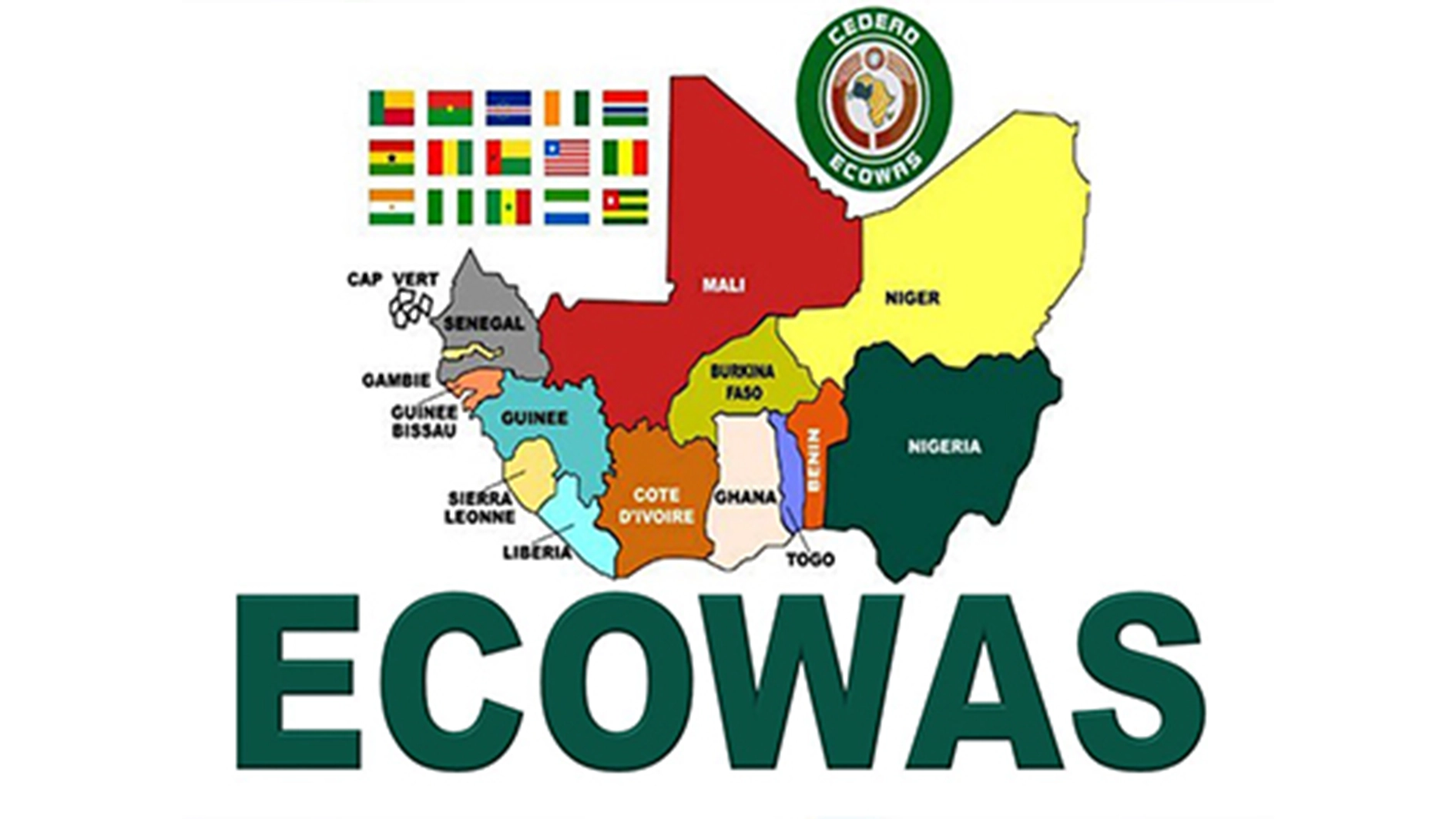
The Economic Community of West African States (ECOWAS), its member states and international partners have stressed the need for stronger regional cooperation, intelligence sharing and coordinated action to effectively combat human trafficking and related forms of exploitation across West Africa.
They made the call at the opening of the 18th Annual Review Meeting of the ECOWAS Regional Network of National Focal Institutions Against Trafficking in Persons Plus (RNNI-TIP+), held in Lagos, Nigeria, on Monday.
The meeting brought together representatives of ECOWAS Member States, national anti-trafficking institutions, international organisations, civil society groups and development partners to review progress, assess emerging trafficking trends and identify priority actions for strengthening regional responses.
Speaking at the meeting, the Director-General of the National Agency for the Prohibition of Trafficking in Persons (NAPTIP), Binta Adamu Bello, said trafficking in persons could not be effectively addressed by individual countries acting in isolation, particularly as criminal networks continued to become more sophisticated and exploit vulnerabilities across national borders.
Bello, who welcomed delegates on behalf of the Federal Government of Nigeria, commended the ECOWAS Commission for its sustained leadership in advancing regional cooperation against trafficking and acknowledged the contributions of development partners, including the European Union, the International Centre for Migration Policy Development (ICMPD), the International Organization for Migration (IOM), the International Labour Organization (ILO), the United Nations Office on Drugs and Crime (UNODC) and Expertise France.
Represented by Mr Josiah Emerole a Director in the agency, she noted that since its establishment in 2007, the ECOWAS Regional Network had provided an important platform for Member States to exchange experiences, review progress, identify challenges and develop coordinated responses to trafficking in persons.
According to her, the interconnected nature of trafficking, sexual and gender-based violence, violence against children, child labour, forced labour and irregular migration makes integrated, multisectoral and cross-border interventions imperative.
The NAPTIP Director-General emphasised that stronger partnerships, effective referral systems, improved access to justice and comprehensive victim protection mechanisms were essential to closing existing gaps in the regional response.
She also highlighted the importance of reliable data collection and information management systems in identifying trafficking patterns, supporting evidence-based policies and measuring the impact of interventions.
Bello particularly welcomed the introduction of the Regional Referral Mechanism (RRM) West Africa initiative, being implemented by ECOWAS and ICMPD, describing it as an important step towards improving the identification, referral, protection and reintegration of trafficking victims across national borders.
She reaffirmed Nigeria’s commitment to working with ECOWAS, Member States, international organisations and civil society to strengthen prevention, victim support, investigation and prosecution of trafficking-related offences.
Also speaking, the International Labour Organization (ILO) Director for the Country Office in Abuja underscored the importance of coordinated regional action in addressing trafficking, forced labour, child labour and other forms of exploitation that undermine human dignity, social justice and sustainable development.
The ILO representative noted that these challenges disproportionately affect women, children, migrants and people working in the informal economy, making coordinated and cross-border responses particularly important.
The organisation reaffirmed its commitment to supporting ECOWAS and its Member States through initiatives aimed at strengthening labour migration governance, protecting migrant workers and advancing fundamental principles and rights at work.
The ILO also highlighted its collaboration with the ECOWAS Commission in implementing the Regional Action Plan for the Elimination of Child Labour and the ECOWAS Strategic Framework for Strengthening National Child Protection Systems (2018–2030).
It stressed that achieving the objectives of Alliance 8.7, the global partnership committed to ending forced labour, modern slavery, human trafficking and child labour, would require stronger institutions, increased investment in prevention and protection systems, effective labour inspection and expanded access to decent work and social protection.
In her remarks, Ivanka Hainzl, Anti-Trafficking Specialist at ICMPD, said the 18-year history of the ECOWAS Regional Network demonstrated the region’s enduring commitment to collective action against a crime that transcended national boundaries.
She stressed that no country in West Africa could effectively address trafficking in isolation, noting that criminal networks exploited gaps between institutions and adapted their operations to changing circumstances.
Hainzl said ICMPD had, over the past decade, supported the ECOWAS Commission and Member States in strengthening national action plans, anti-trafficking task forces, the ECOWAS Regional Strategy against Trafficking in Persons and Related Crimes, and the development of the Regional Referral Mechanism.
She explained that such frameworks must be backed by practical systems that enable institutions to work together, exchange information and coordinate protection and assistance for victims.
According to her, the five-day meeting would provide an opportunity for Member States to examine the 2025 Annual Synthesis Report, review national priorities and identify areas for collective action in 2027.