 Follow Us on Google News



 Follow Us on Google Discover
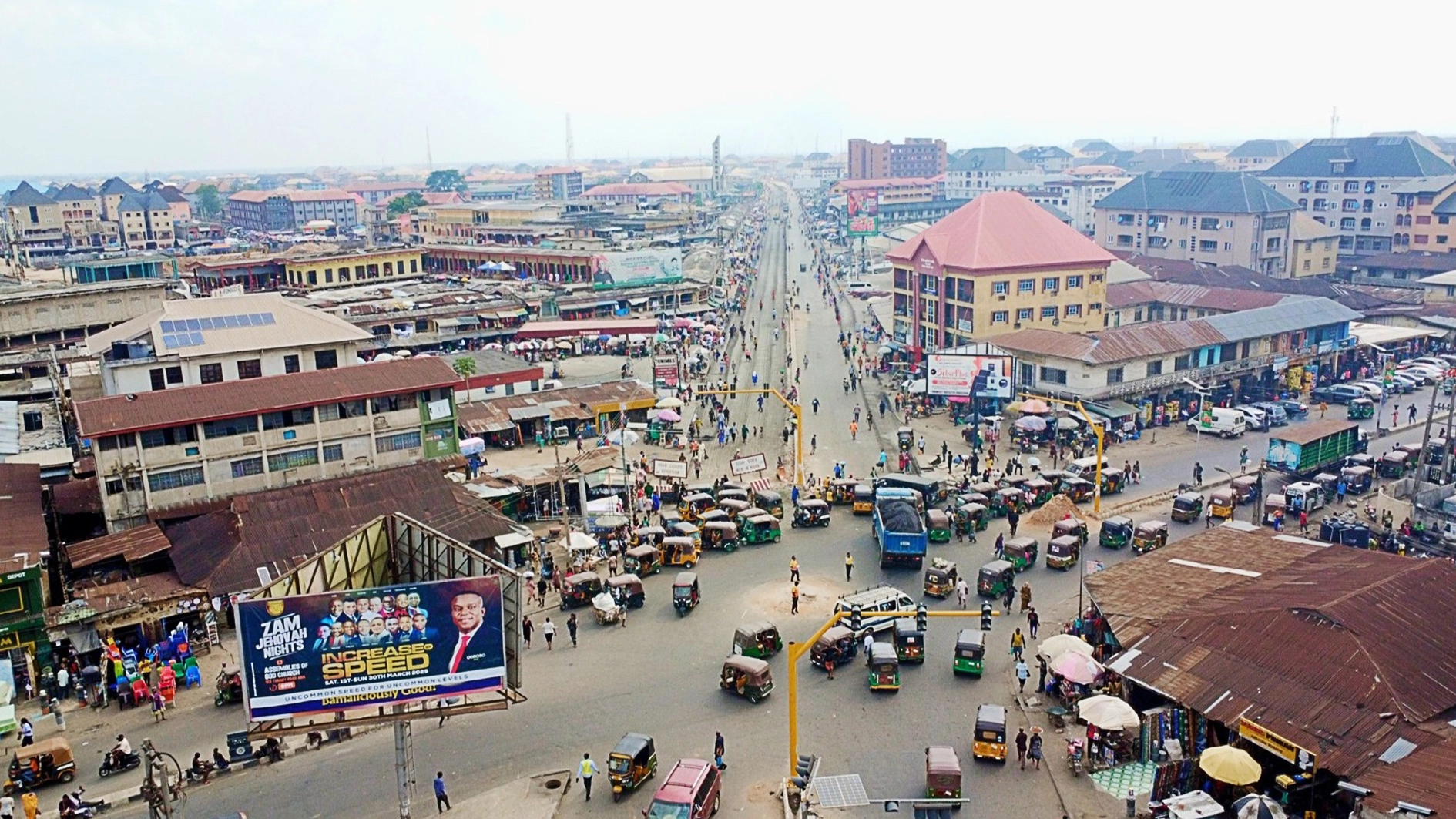
The President of the Association of Town Planning Consultants of Nigeria (ATOPCON), Hakeem Badejo, has cautioned against the worsening state of physical planning across Nigeria’s major urban centres.
He lamented that despite Nigeria’s natural advantages, ranging from the strategic geographical location and unique climate to rich mineral resources and human capital, poor physical planning and weak regulatory enforcement continue to prevent the nation from leveraging the benefits into sustainable socio-economic growth for the people.
Badejo spoke at the ongoing 57th conference of the Nigerian Institute of Town Planners (NITP) in Lagos.
He observed that a city’s structural organisation is most evident from the sky, expressing concerns that aerial views during descent into major airports leave a lasting, but often troubling impression of uncoordinated urban sprawl and neglected physical planning in the city centres.
Severe consequences of poor urban management, Badejo noted, are visible through traffic congestion, flooding, and lawlessness.
Essentially, he said inadequate infrastructure and weak development control had severely degraded quality of life in low-lying urban settlements across the country.

He, however, raised worries over communities demanding high-quality living environments while rejecting necessary public facilities, such as waste management sites and cemeteries, despite their universal necessity.
The ATOPCON President urged planners to transition from reactive measures to proactive long-term planning, taking into account modern national security and urgent preparedness.
“With Nigeria’s population exceeding 250 million people, the nation lacks defensive infrastructure, such as missile shelters or emergency bunkers, even as modern satellite technology makes built environments increasingly visible and vulnerable to targeted threats. If it can be seen from the satellite, it can be targeted. If it can be targeted, it can be destroyed. The future regional planning in Nigeria must incorporate resilience, safety, and security measures immediately,” he said.
Besides, he urged critical stakeholders, including government authorities, regulatory bodies, and private developers, to enforce master plans and prioritise sustainable land use in the six geopolitical zones.
On his part, President of theTown Planners Registration Council (TOPREC), Ezenwa Valentine, said stronger strategic planning, professional collaboration and strict adherence to ethical standards were needed to address economic challenges, environmental pressures and the growing demand for sustainable urban and regional development in the country.
According to him, the responsibility for charting a sustainable path for regional growth and development is linked to urban and regional planning professionals.
He, therefore, stressed that effective planning is critical to achieving balanced regional growth, improving infrastructure and transportation systems, promoting efficient resource utilisation, and protecting the environment.

