 Follow Us on Google News


 Follow Us on Google Discover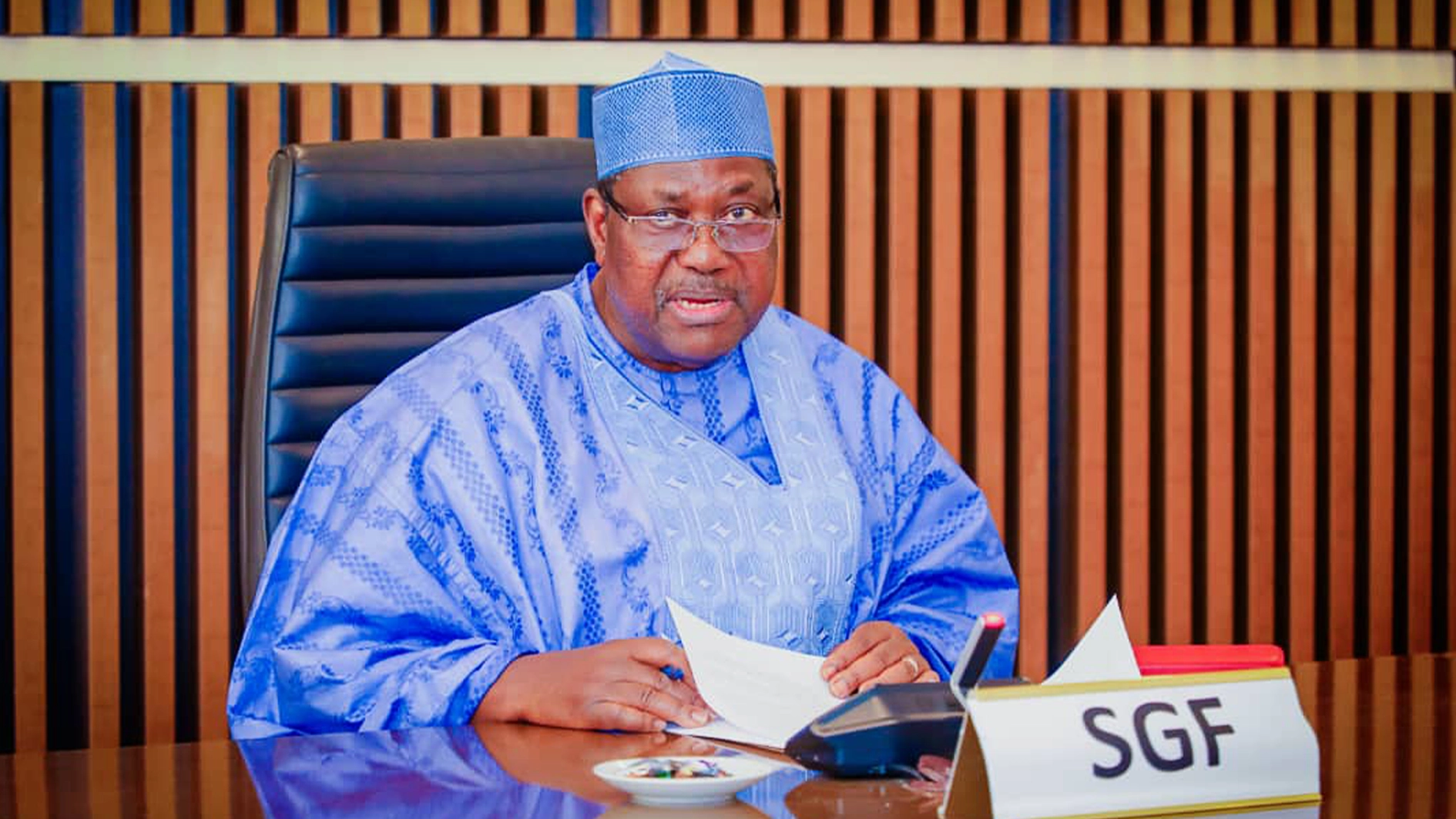
The Federal Government has called on stakeholders in Nigeria’s extractive industry to seize the forthcoming 2026 Extractive Industries Transparency Initiative (EITI) Validation Exercise as an opportunity to accelerate reforms, strengthen accountability and entrench transparency in the management of the country’s natural resources.
Secretary to the Government of the Federation (SGF) and Chairman of the National Stakeholders’ Working Group (NSWG), Senator George Akume, made the call on Monday while declaring open a three-day Joint Strategic Retreat of the NSWG and the senior management of the Nigeria Extractive Industries Transparency Initiative (NEITI) in Abuja.
The retreat, themed “Strengthening EITI Implementation: From Extractive Sector Reporting to Impact,” is aimed at preparing Nigeria for the upcoming EITI Validation Exercise while advancing reforms in the governance of the extractive sector.
Akume described the validation process as more than a compliance exercise, saying it presents a strategic opportunity for Nigeria to demonstrate its commitment to transparency, accountability and sustainable resource governance.
He urged participants to focus on translating transparency into measurable development outcomes, stressing that the success of EITI implementation should not be judged solely by the number of reports produced or disclosures made, but by its impact on strengthening public institutions, boosting investor confidence, restoring public trust and promoting sustainable national development.
The SGF commended the National Stakeholders’ Working Group and the NEITI Secretariat for their commitment to advancing reforms in the extractive sector, particularly the successful submission of Nigeria’s documentation to the EITI International Secretariat and ongoing engagements with stakeholders ahead of the visit of the EITI International Validation Team.

According to him, the efforts underscore Nigeria’s resolve to ensure an inclusive, transparent and credible validation process.
Akume noted that the 2023 EITI Standard places greater emphasis on systematic disclosures, beneficial ownership, contract transparency, governance of state-owned enterprises, anti-corruption measures, environmental reporting, energy transition and meaningful stakeholder participation.
He said these priorities align with the Renewed Hope Agenda of President Bola Tinubu’s administration, reaffirming the Federal Government’s commitment to implementing the reforms across relevant institutions.
“The forthcoming Validation Exercise offers Nigeria an important platform to demonstrate progress in strengthening governance within the extractive sector, address previous corrective actions and institutionalise reforms that promote accountability and transparency,” he said.
He assured stakeholders of President Tinubu’s continued support in providing the leadership and coordination needed to ensure the successful implementation of the EITI process, describing the validation as critical to strengthening public confidence in the management of Nigeria’s natural resources.
The SGF also urged members of the NSWG and the NEITI Secretariat to use the retreat to assess progress, deepen collaboration, address outstanding priorities and develop practical strategies that would secure a successful validation outcome while driving long-term governance reforms in the sector.
Earlier, NEITI Executive Secretary, Hon. Musa Sarkin Adar, described the retreat as a critical platform for assessing Nigeria’s progress under the Extractive Industries Transparency Initiative and charting a strategic roadmap for the future.
He said the meeting comes at a defining moment in Nigeria’s EITI journey, providing stakeholders with the opportunity to reflect on past achievements, evaluate current realities and identify practical measures to ensure that transparency delivers tangible benefits for citizens.
Sarkin Adar noted that the 2026 EITI Validation Exercise goes beyond demonstrating compliance with international standards, saying it is an opportunity to assess Nigeria’s progress in institutionalising reforms, implementing corrective actions and strengthening governance across the extractive industry.
He disclosed that consultations with government agencies, extractive companies, civil society organisations and the media have shown strong commitment to the validation process, while also highlighting the need for stronger inter-agency coordination, improved documentation and more effective implementation of audit recommendations.

