

 Get Guardian on Google
As the world marks World Toilet Day today, Fabulous Urban Nigeria Foundation has called on federal and state governments to subsidise household toilets owned by women, particularly in low-income communities where inadequate sanitation exposes them to sexual harassment and rape.
The Founder-Director of the foundation, Prof. Fabienne Hoelzel, said women without toilets in their homes face serious safety risks, especially at night, when going outside to use public or shared facilities can expose them to sexual violence.
She cited instances from some Lagos communities where the foundation operates, women without private toilets resort to using bags or bottles in their rooms at night and disposing of the waste at daybreak to avoid leaving their homes in unsafe conditions.
According to Hoelzel, shared toilets do not adequately address the problem because women still have to leave their rooms and walk through potentially unsafe surroundings to access them.
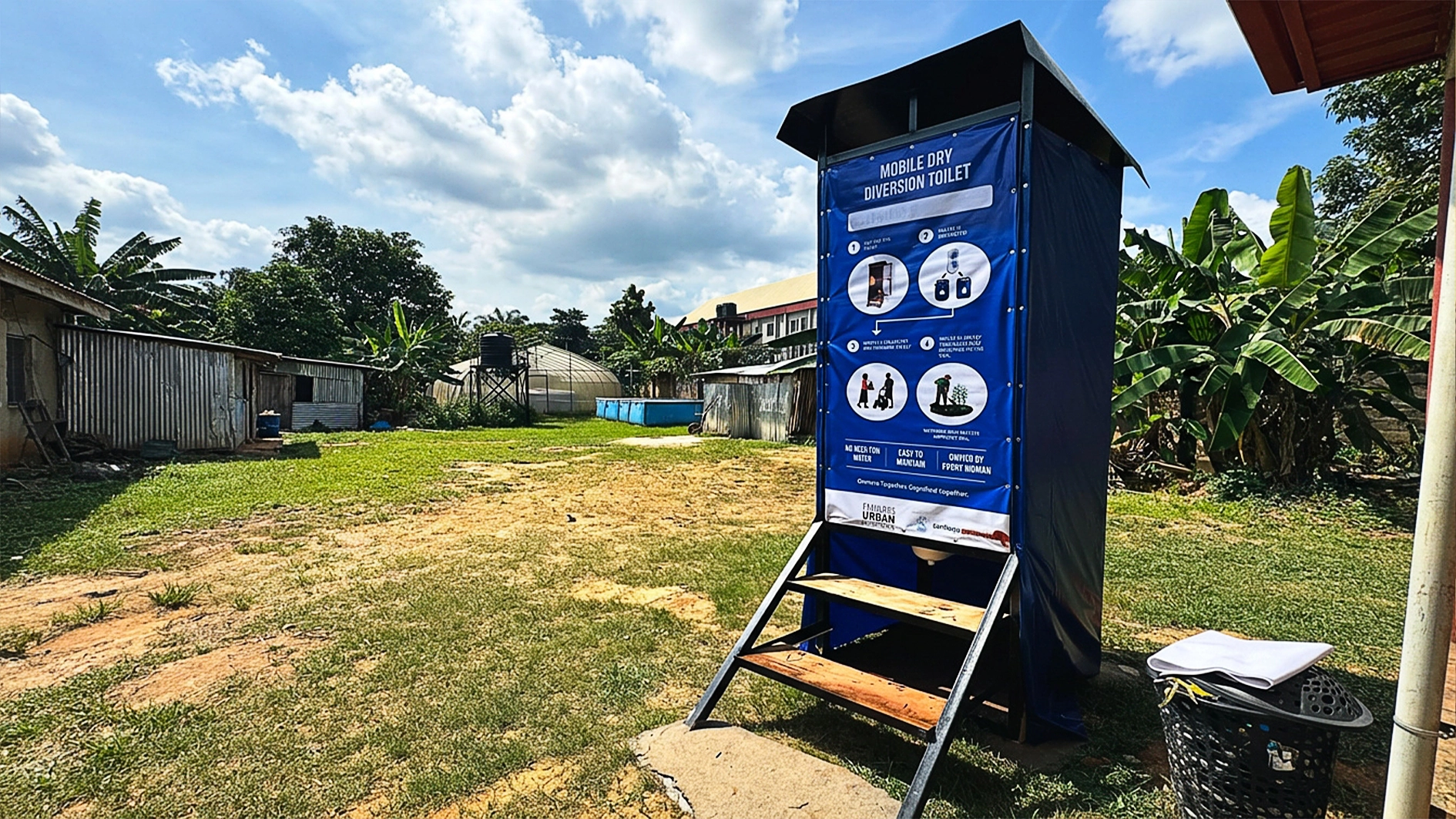
The foundation’s response is the Mobile Dry Diversion Toilet (MDDT), a household sanitation system that belongs to the woman using it and operates without water, electricity or a sewer connection.
The foundation has constructed 45 units with women in Lagos, 10 in Enugu and two in Nairobi. Its 2026 campaign received funding from the Abuja office of the Heinrich Böll Foundation.
The MDDT collects urine and faeces separately for transportation to farms or treatment facilities. In Enugu, a composting plant is under construction to process the collected waste for agricultural use.
Each toilet costs approximately $500, including maintenance, while a composting facility capable of treating waste from 10 toilets requires about $5,000.
Hoelzel noted that sanitation projects often receive funding for construction, while essential services such as waste collection, processing, training, monitoring and repairs remain underfunded.
She recalled that an attempt by a Swiss funder in 2024 to introduce a 50 per cent repayment arrangement through weekly instalments for women beneficiaries in Lagos failed because the women could not sustain the payments. The funder subsequently returned to full funding.
She argued that household sanitation should be treated as essential public infrastructure rather than an investment expected to generate commercial returns.
The foundation called for government support covering both the construction and continued operation of women-owned toilets, stressing that facilities would become unusable without funding for waste collection, maintenance and processing.
International donors can also support the projects through sanloop, a Swiss association founded by Hoelzel, who is also Professor of Urban Design at the Stuttgart State Academy of Art and Design.
Hoelzel said access to safe household toilets should form part of housing and urban development policies, particularly in communities where women face sanitation-related safety risks.
She urged governments, development partners and donors to support sanitation programmes that give women ownership of household facilities and provide the funding required to keep them functional.







