In an effort to improve rice production in the country, Syngenta Foundation for Sustainable Agriculture (SFSA), has disclosed plans to deploy rice production technology from China.
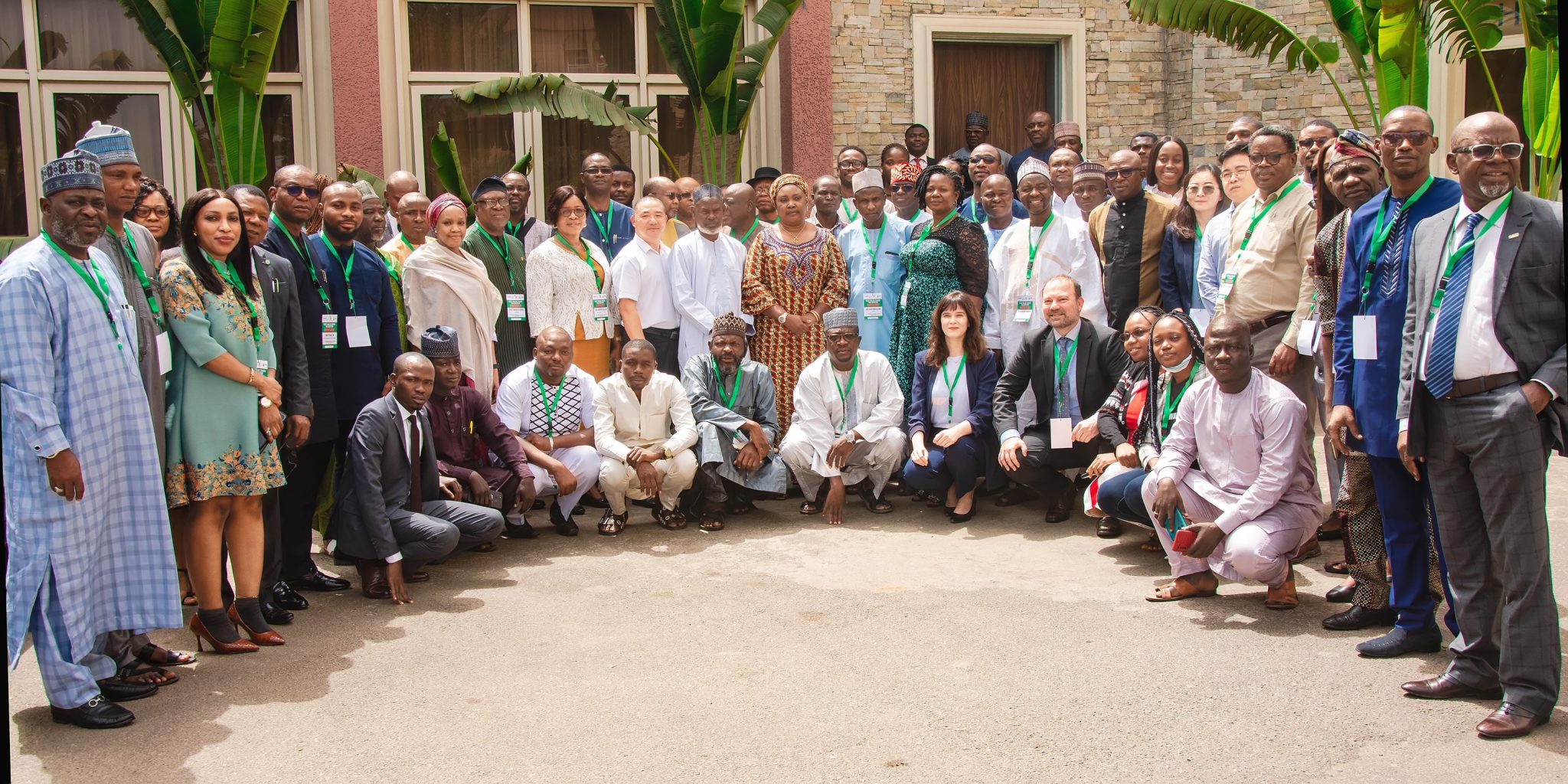
The head, of Agricultural Services Operations, SFSA, Robert Berlin, while speaking at a high-level stakeholders’ workshop organized by the Foundation in collaboration with Derftdan Resources, stated that they were working towards translating China’s successful value chain technologies and practices into approaches that can be adopted in the Nigeria rice production.
According to him, the aim of the workshop was to validate the assessment carried out by SFSA and Derftdan Resources to strengthen the rice value chain and analyze the study recommendations for the rice value chain.
The Nigeria’ Country Program Manager, SFSA Mr Isaiah Gabriel, noted that the goal of the study conducted by the two organizations was to provide an overview of rice production, post-harvest processing and marketing segments and to address the inefficiencies in the entire supply chain.
He said: “Our goal is also to identify challenges and gaps, and explore strategies for translating China’s successful value chain practices into approaches that can be adopted in the country to boost its rice production and processing.”
He added that the study was supported by 2,249 farmers’ surveys across eight states of Cross Rivers, Edo, Ebonyi, Jigawa, Kano, Kebbi, Nasarawa and Niger.
Also speaking at the event, Senior Agribusiness Consultant at Derftdan, Mr Richard Ogundele, presented some of the gaps in the rice sector.
According to him, opportunities to improve rice production in Nigeria cut across the entire value chain, but a particular need for improvement lies in the areas of quality seed, mechanization, irrigation, processing and extension delivery services.
Ogundele said: “If we cannot get these right, we will not be able to get there.”He further said the nation needed to be focused and firm in its policy on rice, identifying market-oriented and import-dependent policy as the surest way to meet global demand. Once we get the rice quality standard right, every other thing will be in order.”
Earlier in his keynote address, the Minister of Agriculture and Rural Development, Dr Mohammed Abubakar, represented by the Deputy Director, of Rice Value Chain, Bashir Umar, commended the Foundation for its unrelenting contribution towards strengthening the rice value chain in Nigeria.
He assured the participants of the federal government’s readiness to support smallholder farmers and bridge the funding gap.
The stakeholders, who delivered goodwill messages were the President of the Rice Farmers Association of Nigeria, Aminu Mohammed Goronyo; Senior Programme Officer, Agriculture, BMGF, Dr Audu Grema; Executive Director, of National Cereals Research Institute, Dr Umar Aliyu; Vice Chancellor of Technical University, Prof. Adesola Ajayi and the Deputy Vice Chancellor, Ebonyi State University, Prof. Happiness Ogelebe.
They all reiterated their commitment towards ensuring that the resolutions made at the end of the workshop would be implemented.
The stakeholders agreed during the panel discussions that the known problems associated with the country’s rice value chain still exist, there was a need to use innovative technology to enhance productivity, address security issues pragmatically and come up with a public-private dialogue platform for the rice sector.
Emphasis was laid on the implementation of the various recommendations with a view to acting on the solutions proposed during the event.