 Follow Us on Google News



 Follow Us on Google Discover
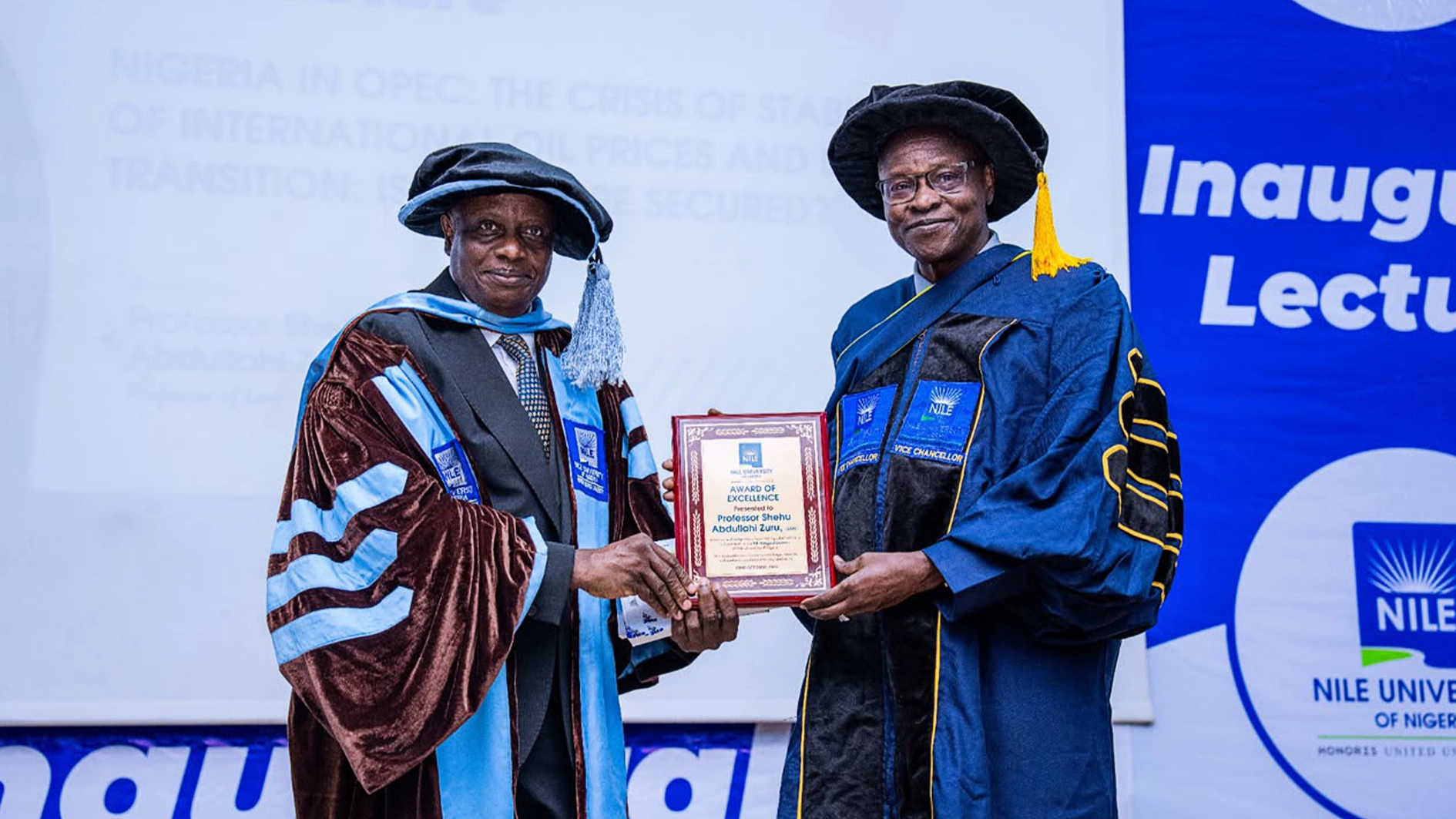
The intersection of international oil markets, climate change and the global transition to cleaner energy formed the focus of the ninth inaugural lecture at Nile University of Nigeria, which examined the role of the Organisation of the Petroleum Exporting Countries (OPEC) in shaping the future of energy.
Delivering the lecture titled “Nigeria in OPEC: The Crisis of Stability of International Oil Prices and Energy Transition: Is the Future Secured?”, Professor Shehu Abdullahi Zuru, Professor of Law, examined the legal, economic and environmental dimensions of OPEC’s operations and their implications for the global energy landscape.
Professor Zuru traced OPEC’s establishment in 1960 to the collective interests of oil-producing countries in managing their petroleum resources and strengthening their position in the international oil market. He explained how the organisation’s production policies and collective bargaining framework have influenced oil-market dynamics, while examining the challenges of balancing the interests of individual member countries with collective objectives.
The lecture also explored the relationship between petroleum resources and the global response to climate change. Professor Zuru examined the international legal frameworks governing environmental protection and energy transition, including the United Nations Convention on the Law of the Sea, the United Nations Framework Convention on Climate Change and the United Nations Convention on Biological Diversity.
He highlighted the importance of these frameworks in shaping international cooperation on natural resource management, environmental protection and the transition to cleaner energy sources.
A central theme of the lecture was the role of energy revenues in supporting long-term investment in climate action and energy transition.

Professor Zuru examined how petroleum-producing countries could use financial resources and international partnerships to support the development of cleaner energy technologies, strengthen technical capacity and prepare their populations for changes in the global energy landscape.
He also emphasised the importance of climate finance, technology transfer and capacity building, highlighting the role of multilateral cooperation in helping countries develop the legal and institutional frameworks required to advance their energy transition objectives.
The lecture further considered the responsibilities of international organisations in coordinating climate action and supporting the transition to cleaner energy. Professor Zuru called attention to the importance of collaboration between OPEC and the United Nations in developing regulatory capacity and supporting climate-related initiatives across oil-producing countries.
Speaking at the lecture, the Vice-Chancellor of Nile University of Nigeria, Professor Dilli Dogo, said the subject raised important questions about the future of energy and the role of innovation in addressing emerging global challenges.
Professor Dogo emphasised the importance of scientific research, technological development and alternative energy sources in expanding the range of options available to countries as the global energy landscape evolves.
He also highlighted the role of universities in preparing graduates for emerging opportunities through practical skills development, relevant curricula and stronger engagement with technological innovation.
The Vice-Chancellor said Nile University of Nigeria remained committed to equipping students with the knowledge and marketable skills required to contribute to national development.
He also disclosed that the university was working with international institutions towards establishing an institute for technical and vocational education and training to help address the skills gap.
The inaugural lecture provided a platform for examining the relationship between natural resources law, international energy policy and climate change, highlighting the importance of research, international cooperation and technological development in shaping the future of energy.

