 Follow Us on Google News



 Follow Us on Google Discover
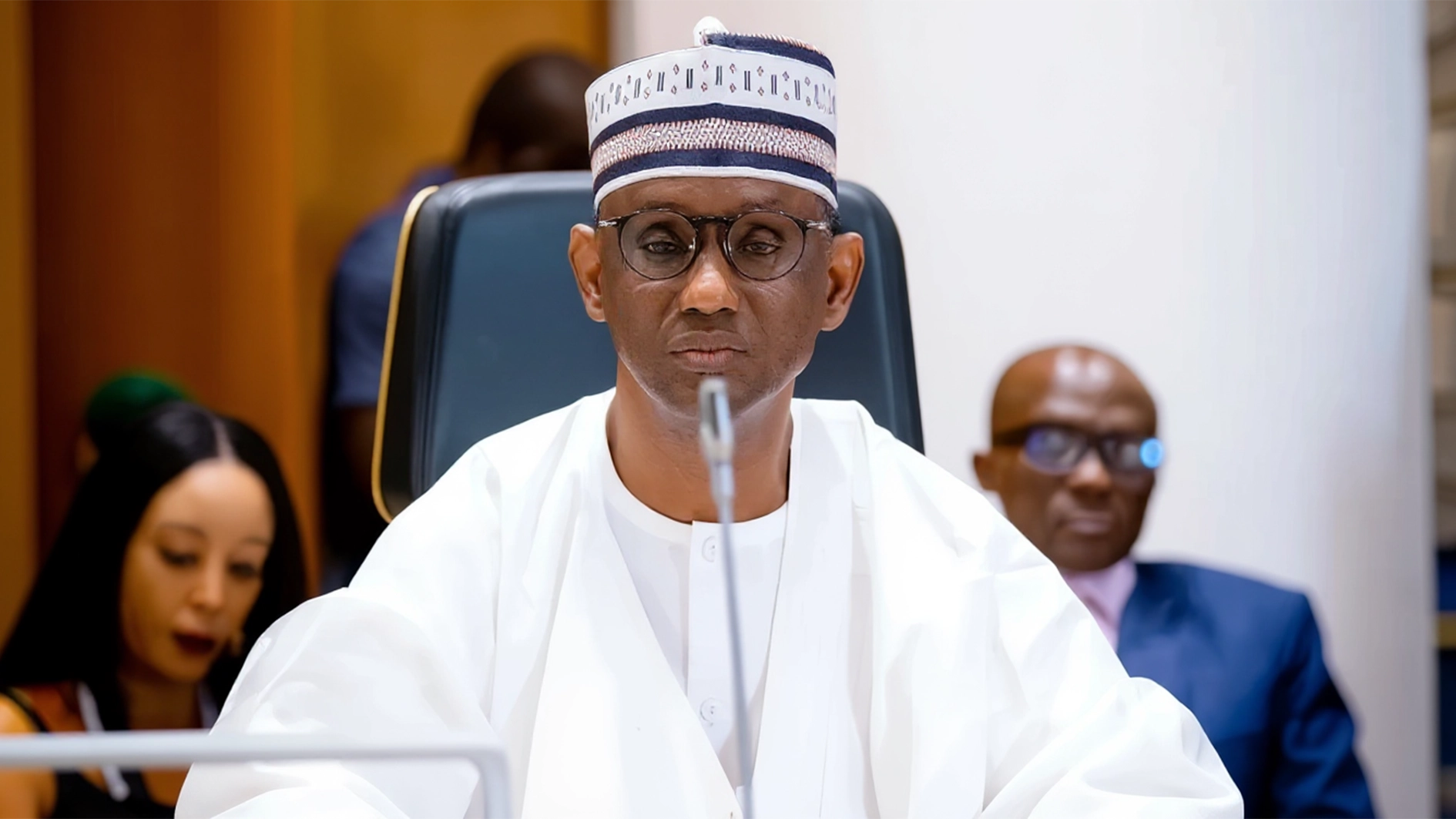
…Nigeria seeks stronger African intelligence sharing to combat terrorism
Terrorist groups are increasingly exploiting artificial intelligence (AI), digital platforms and synthetic media to recruit members, spread fear and expand their operations across Africa, the National Security Adviser (NSA), Nuhu Ribadu, and United Nations Deputy Secretary-General, Amina Mohammed, have warned.
They spoke on Monday at the opening of the High-Level African Lessons Learned Forum on Counter-Terrorism Cooperation, Intelligence Sharing and Emerging Technologies in Abuja.
The forum, hosted by the National Counter Terrorism Centre (NCTC), Office of the National Security Adviser, is aimed at strengthening intelligence sharing, regional cooperation and technology-driven responses to terrorism and violent extremism across the continent.
Ribadu, in his keynote address, said Africa was facing an increasingly complex security environment, with terrorist groups exploiting porous borders, local grievances, illicit financial networks, misinformation and online radicalization to advance their activities.
He said the evolving threats required sustained cooperation, stronger intelligence coordination and practical exchanges of experience among African countries.

“Artificial intelligence, digital communications, encrypted platforms, drones, synthetic media and other technological tools are reshaping the threat landscape.
“These technologies present risks when exploited by terrorist groups, but they also offer opportunities for early warning, threat analysis, digital investigation, strategic communications, border security and the protection of vulnerable communities.
“Our task is to ensure that technology is used responsibly, lawfully and effectively in support of peace and security”, he said.
Nigeria’s experience over the past 15 years had shown that counter-terrorism could not be sustained through military operations alone, the NSA said, adding that security operations must be complemented by law enforcement, financial intelligence, justice, prevention, rehabilitation, reintegration and community resilience.
He said Nigeria had adopted a whole-of-government and whole-of-society approach to counter-terrorism and preventing and countering violent extremism.
According to him, intelligence sharing is central to effective cooperation because terrorist networks operate across borders, communicate through multiple platforms and finance their activities through transnational channels.
“No country can address such threats in isolation,” he said while also stressing the need for timely, trusted and actionable intelligence exchange that respects national sovereignty and legal frameworks.
He said the technologies could support early warning, threat analysis, digital investigations, border security and the protection of vulnerable communities if deployed responsibly and lawfully.
The NSA said the forum was an outcome of the Senior Officials Dialogue on Counter-Terrorism in Africa held in Madrid in May 2026, where participants identified the need to improve intelligence sharing, coordination and the exchange of practical lessons.
He called on participants to develop concrete outcomes from the two-day meeting, including stronger professional networks, training opportunities and sustained technical cooperation among African counter-terrorism institutions.
Ribadu said Nigeria was willing to share experiences from its counter-terrorism coordination, terrorism financing investigations, rehabilitation programmes and community-based interventions.
He cited Operation Safe Corridor and the European Union-supported Disarmament, Demobilisation, Rehabilitation and Reintegration programme for persons formerly associated with non-state armed groups in the North-East as initiatives from which other countries could draw lessons.
The NSA, however, cautioned that Nigeria’s experiences should not be treated as perfect models, urging delegates to exchange lessons from both successes and setbacks.
He also stressed the need to address the conditions that allow terrorism to thrive, including fear, division, misinformation, poverty, exclusion and unresolved grievances.
“Security is not only the absence of violence; it is also the presence of justice, opportunity, dignity and trust between citizens and the state,” he said.
In her remarks which was delivered virtually, Mohammed said terrorism had claimed lives, displaced communities, closed schools and health facilities, disrupted markets and undermined development in parts of Africa, including the Lake Chad Basin and areas of eastern and southern Africa.
The senior UN official welcomed the forum’s emphasis on practical lessons, urging participants to identify what had worked, what had failed and how experiences from one country could improve responses elsewhere.
The UN deputy chief identified trust, responsible use of technology and investment in communities as critical elements of an effective counter-terrorism strategy.
She said intelligence sharing depended on trust among security agencies, neighbouring countries and the communities whose cooperation was needed to identify threats.
According to her, communities are more likely to provide information when institutions are accountable, justice is accessible and people believe that sharing information will not expose them to danger.
Mohammed also warned that terrorist groups were adopting new technologies faster than some institutions could respond, particularly through the use of AI and synthetic media to recruit members and spread fear.
She said the same technologies could assist early warning and prevention but required effective safeguards and cooperation among governments, technology companies and civil society organisations.
The UN deputy secretary-general maintained that military operations alone would not end terrorism, pointing to rehabilitation and reintegration programmes as important avenues for helping people leave armed groups and rebuild their lives.
She said the success of such programmes depended on justice, community acceptance and adequate support for those returning to civilian life.
Mohammed urged governments to invest in education, decent jobs and public services, particularly for young people in vulnerable communities, while recognising women’s role in preventing violence, sustaining dialogue and supporting recovery.
Earlier, the National Coordinator of the NCTC, Major General Adamu Garba Laka, said the forum was designed to strengthen professional relationships, exchange practical experiences and improve collective responses to terrorism across Africa.
Laka said the centre was working to position itself as a regional centre of excellence for counter-terrorism in West Africa and the Sahel through policy development, intelligence coordination, training and strategic partnerships.
He said Nigeria had developed policy frameworks and strategies covering counter-terrorism, preventing and countering violent extremism, disengagement and reintegration, as well as combating transnational organised crime.
The coordinator said the NCTC had also strengthened partnerships with regional and international institutions to improve intelligence sharing, technical cooperation and capacity development..
Laka said the forum would examine emerging threats, intelligence sharing, terrorism financing, online radicalisation, technology, legal responses, rehabilitation and community resilience.
He called on African countries to use the meeting to build lasting partnerships and develop practical measures that would strengthen cooperation beyond the forum.
The event brought together government officials, security and law enforcement institutions, diplomatic representatives and regional and international partners, including the African Union, European Union, United Nations Office on Drugs and Crime and MTN Nigeria.

