 Get Guardian on Google
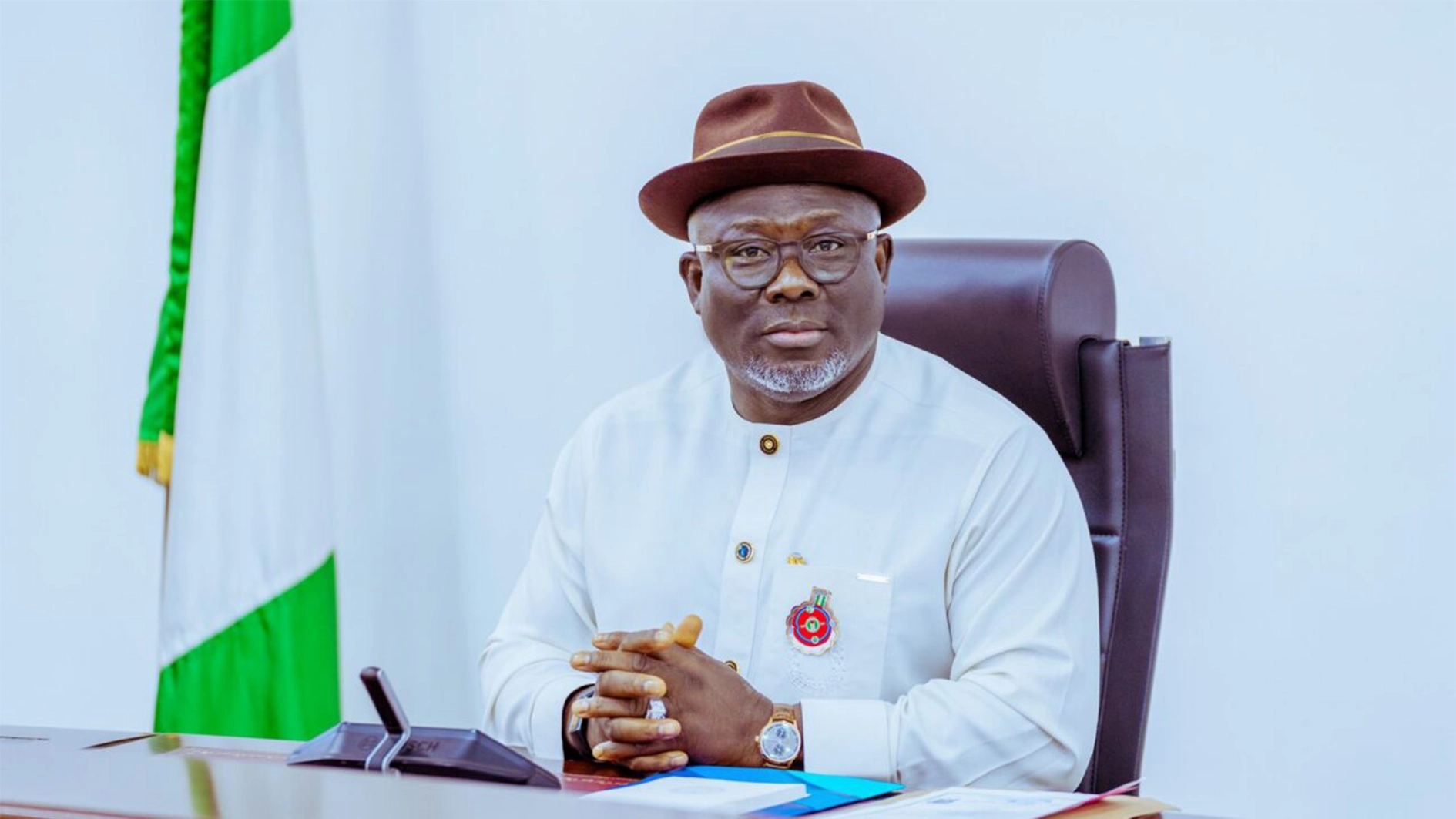
Delta State Governor, Sheriff Oborevwori, has presented a proposed budget of N1.2368 trillion for the 2027 fiscal year to the Delta State House of Assembly, with 65 per cent allocated to capital expenditure and 35 per cent to recurrent spending.
in what he described as a deliberate effort to strengthen fiscal discipline, sustain infrastructure development and promote economic growth.
The proposed budget, tagged “Budget of Sustained Prosperity and Enhanced Growth,” represents a reduction of N493.01 billion, or 28.5 per cent, from the N1.729 trillion approved for the 2026 fiscal year.
Presenting the estimates to the lawmakers in Asaba, the governor explained that the reduction was informed by his administration’s decision to adopt a more realistic revenue framework, strengthen internally generated revenue and ensure that government expenditure remains within its financial capacity.
According to him, the proposed budget comprises N430 billion, representing 35 per cent, for recurrent expenditure, while N806.8 billion, representing 65 per cent, is earmarked for capital projects.
Oborevwori said the government deliberately designed the 2027 fiscal estimates around fiscal sustainability rather than relying on ambitious revenue projections or excessive borrowing.
“The decrease is due to the fact that we have planned the 2027 budget around fiscal discipline, which means that the budget will be funded largely from within, and the state would spend only what it can earn within the period,” he explained.
The governor urged the lawmakers to give the proposal accelerated consideration and approval, noting that the estimates were designed to consolidate ongoing development programmes, expand infrastructure, strengthen public institutions and improve the socioeconomic conditions of residents.
A major feature of the proposed budget is the substantial allocation to infrastructure, with the two Ministries of Works expected to receive N320 billion for road construction, rehabilitation and other critical infrastructure projects across the state.
Additionally, N50 billion has been proposed for intervention projects across the 25 local government areas, a provision expected to support community-based infrastructure and address development needs beyond major urban centres.
The allocations reflect the administration’s continued emphasis on road connectivity, urban renewal and infrastructure expansion as instruments for stimulating economic activities and attracting private investment.
For the education sector, the governor proposed N74 billion, covering primary, technical, secondary and higher education.
The breakdown shows that primary education will receive N10 billion, technical education N12 billion, secondary education N12 billion, while N40 billion is earmarked for higher education.
The governor said the allocation was intended to strengthen educational infrastructure, improve learning conditions, support technical and vocational training and enhance the quality of tertiary education in the state.
The health sector is expected to receive N50 billion to support healthcare delivery, strengthen medical infrastructure and improve access to essential health services.
Similarly, N20 billion each has been proposed for the development of Asaba Capital Territory and Warri, Uvwie and Environs, reflecting the administration’s urban development and renewal agenda.
The energy sector has been allocated N12 billion, while agriculture and social intervention programmes are expected to receive N5 billion each.
The governor’s proposed investment in electricity infrastructure is particularly significant as the state seeks to improve power supply, stimulate industrial activities and create an enabling environment for businesses.
Oborevwori disclosed plans to establish the Delta State Electricity Regulatory Commission as part of efforts to strengthen the regulatory framework for the state’s electricity market and improve electricity governance.
The proposed reforms are expected to complement investments in power infrastructure and encourage greater private-sector participation in electricity generation and distribution.