 Follow Us on Google News


 Follow Us on Google Discover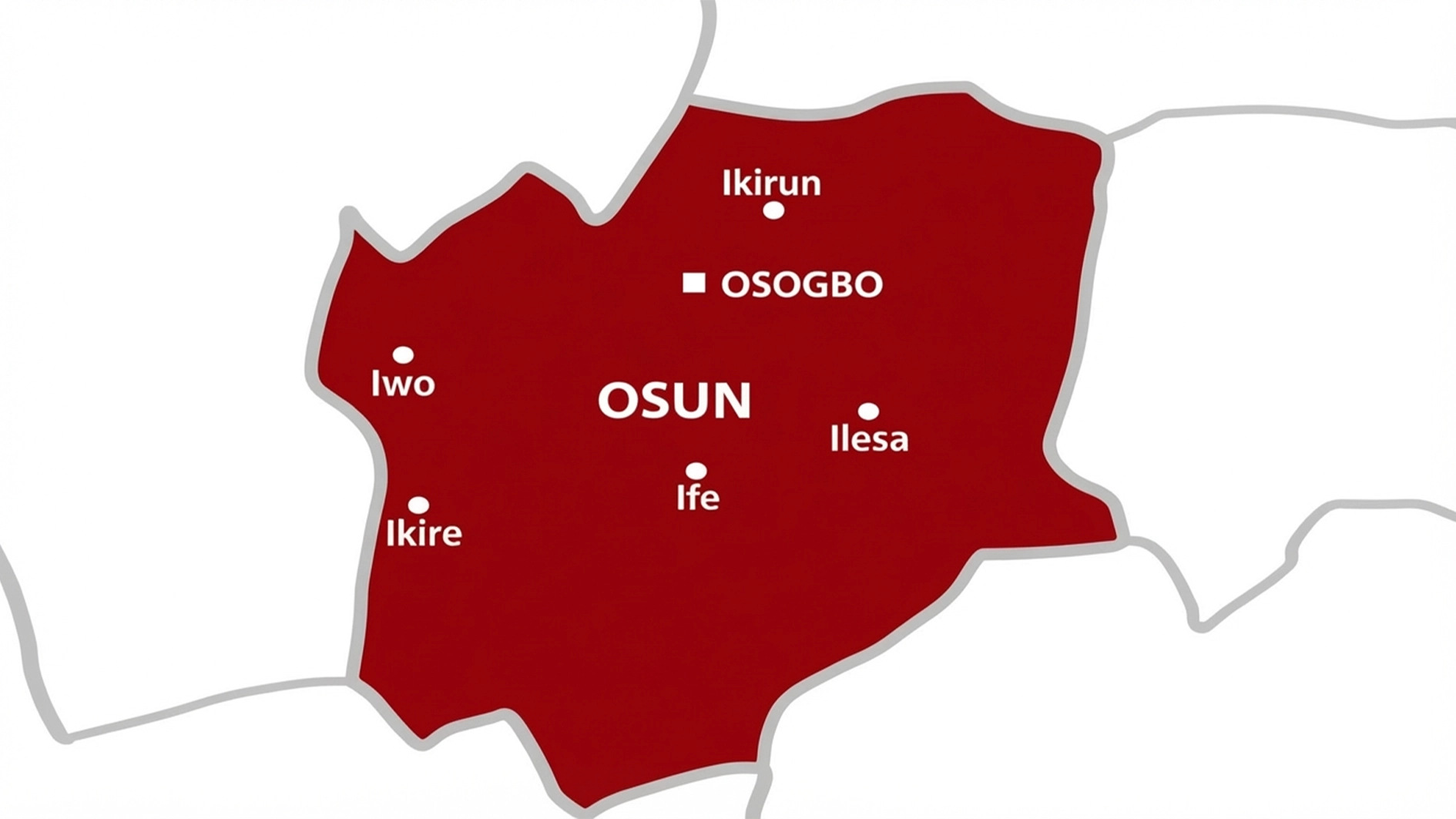
As Osun State prepares to elect a governor on August 15, 2026, the contest is already assuming significance beyond the boundaries of the South-West state. While the election will determine who occupies the Government House in Osogbo for the next four years, political observers believe its implications extend to the national political landscape, particularly as Nigeria gradually enters the countdown to the 2027 general elections. For the Independent National Electoral Commission (INEC), the poll represents another opportunity to reinforce public confidence in Nigeria’s electoral process following the reforms and technological innovations introduced in recent election cycles. The election is therefore not merely a contest among political parties; it is also a referendum on the country’s electoral management system and the ability of democratic institutions to deliver credible, transparent and peaceful elections.
Off-cycle governorship elections have increasingly become laboratories for testing electoral administration in Nigeria. Since governorship elections in Ekiti, Osun, Ondo, Edo, Bayelsa, Imo, Kogi and Anambra occur outside the general election calendar because of judicial decisions or constitutional timelines, INEC has often used them to refine operational strategies before nationwide polls. These elections allow the commission to deploy resources more efficiently, monitor logistics more closely and introduce improvements that would be difficult to implement simultaneously across all 36 states during general elections. Consequently, the Osun governorship election offers a critical opportunity for the electoral umpire to demonstrate lessons learned from previous elections while preparing for the far more complex 2027 general elections.
The political environment in Osun has historically been among the most competitive in Nigeria. Since the return to democratic rule in 1999, elections in the state have frequently been characterised by intense rivalry, legal disputes and narrow victory margins. The state’s electorate has demonstrated an independent voting culture, often resisting assumptions based solely on party dominance in the South-West. Political allegiance has shifted over the years, reflecting local governance issues, candidates’ personalities and grassroots mobilisation rather than ideological considerations alone. This history makes every governorship election in Osun particularly unpredictable.
Unlike many states where incumbency often guarantees electoral advantage, Osun has repeatedly demonstrated that elections remain genuinely competitive. Previous contests have witnessed vigorous campaigns, extensive voter mobilisation and, in some instances, judicial intervention that reshaped political outcomes. This electoral history has heightened expectations for the forthcoming poll, with analysts predicting another closely fought contest capable of influencing political calculations ahead of 2027.
INEC appears determined to begin preparations early enough to avoid the logistical shortcomings that have occasionally attracted criticism in previous elections. The commission released the timetable and schedule of activities months ahead of the poll, providing political parties, candidates and stakeholders with a clear electoral calendar. Such early planning aligns with provisions of the Electoral Act 2022, which requires electoral activities to follow clearly defined timelines to ensure transparency and fairness. By publishing deadlines for party primaries, submission of candidates’ particulars, campaigns and observer accreditation well in advance, the commission seeks to minimise uncertainty and improve compliance with electoral regulations.
One of the major areas of attention will be voter registration and the integrity of the voters’ register. Although the Continuous Voter Registration (CVR) exercise has become a routine feature of Nigeria’s electoral process, its effectiveness remains central to credible elections. Thousands of young voters who have attained voting age since the last electoral cycle are expected to register, while others who relocated into Osun or previously encountered registration difficulties will seek inclusion in the register. INEC’s ability to produce a credible, accurate and inclusive voters’ register will significantly shape public confidence before election day.

The deployment of technology remains another defining feature of INEC’s preparations. Since the introduction of the Bimodal Voter Accreditation System (BVAS), voter accreditation has become more secure through fingerprint and facial recognition technologies. Although the technology has substantially reduced incidents of multiple voting and identity fraud, operational challenges such as network disruptions, equipment malfunction and delayed deployment have occasionally generated controversy. Consequently, INEC’s technical preparations for the Osun election will attract close scrutiny from political parties, election observers and civil society organisations eager to assess whether previous shortcomings have been adequately addressed.
Closely related is the issue of election result management. Electronic transmission of polling unit results has become one of the most debated reforms in Nigeria’s electoral administration. The process seeks to improve transparency by enabling polling unit results to be uploaded for public viewing, thereby reducing opportunities for manipulation during collation. While legal and operational questions have emerged in previous elections, public expectations remain high that INEC will ensure prompt and transparent result management in Osun. Effective deployment of technology, combined with timely communication, will be critical in sustaining voter confidence throughout the electoral process.
Logistics have historically represented one of the most challenging aspects of election administration in Nigeria. Delayed arrival of electoral materials, transportation bottlenecks and inadequate distribution of personnel have undermined voter confidence in previous elections across different states. Osun’s relatively manageable geographical size compared to larger states provides INEC with an opportunity to demonstrate improved logistical efficiency. Early deployment of sensitive materials, effective coordination with transport providers and contingency planning for emergencies will be crucial indicators of the commission’s operational readiness.
Security considerations remain equally important. Elections in Nigeria increasingly require coordinated collaboration among multiple security agencies to protect voters, electoral officials, journalists and election observers. While Osun has generally avoided the scale of insecurity witnessed in some other regions, concerns over political violence, intimidation and vote-buying persist. Security agencies are expected to work closely with INEC to maintain neutrality while ensuring law and order throughout the electoral process. Their conduct before, during and after voting will significantly influence public perception of the election’s credibility.
Vote-buying continues to pose one of the greatest threats to electoral integrity in Nigeria. Despite sustained efforts by anti-corruption agencies, civil society organisations and election observers, the monetisation of electoral participation remains widespread in many communities. Political parties have increasingly devised sophisticated methods of inducing voters, making enforcement more difficult. For the Osun election, stakeholders are expected to intensify voter education campaigns aimed at discouraging the practice while security agencies strengthen surveillance around polling units to deter offenders.
Political parties also carry substantial responsibility for ensuring peaceful elections. Internal democracy during candidate selection, issue-based campaigns and adherence to campaign finance regulations will influence the overall quality of the electoral process. The National Peace Committee and various civil society organisations are likely to facilitate peace accords among contestants, encouraging candidates and their supporters to commit publicly to non-violence. Experience from previous elections suggests that such agreements, while not legally binding, contribute to reducing political tensions and promoting responsible conduct.
Civil society organisations will once again play an indispensable role in the electoral process. Domestic observer groups, election monitoring coalitions and advocacy organisations are expected to deploy thousands of observers across polling units. Their independent assessments provide valuable insights into compliance with electoral procedures, operational efficiency and emerging challenges. Equally important is the work of accredited media organisations, whose extensive coverage enhances transparency while providing timely information to citizens throughout election day.
The media’s responsibility extends beyond reporting election results. Professional journalism contributes significantly to combating misinformation, fact-checking campaign claims and promoting informed voter participation. In an era where social media platforms facilitate rapid dissemination of both accurate information and false narratives, traditional media organisations remain essential sources of verified reporting. Balanced, ethical and factual election coverage will therefore contribute to reducing tensions and strengthening public trust in the electoral process.
Another critical dimension of the election concerns voter turnout. Although Nigeria has recorded declining voter participation in recent electoral cycles, off-cycle governorship elections sometimes generate higher levels of local engagement because voters perceive them as directly affecting governance within their states. Whether INEC’s voter education initiatives, political party mobilisation and public confidence in electoral technology will translate into increased turnout remains uncertain. Nevertheless, higher participation would enhance the legitimacy of the eventual outcome while strengthening democratic accountability.
Women, young people and persons with disabilities are also expected to feature prominently in INEC’s inclusion agenda. Recent elections have witnessed deliberate efforts by the commission to improve accessibility through priority voting arrangements, assistive devices and disability-sensitive polling procedures. Sustaining these initiatives in Osun will reinforce commitments to inclusive democratic participation while ensuring that vulnerable groups exercise their constitutional rights without unnecessary barriers.
International attention is also likely to focus on the election. Although off-cycle governorship elections generally attract fewer foreign observer missions than presidential elections, development partners and diplomatic missions continue to monitor Nigeria’s electoral reforms closely. Their assessments often influence broader perceptions of Nigeria’s democratic trajectory, particularly regarding institutional independence, electoral transparency and political stability. A peaceful and credible election would therefore contribute positively to the country’s democratic reputation.
Ultimately, the August 2026 Osun governorship election represents more than a contest for political office. It is a significant institutional examination for INEC, a test of political maturity for parties and candidates, and an opportunity for voters to reaffirm their confidence in democratic governance. Success will depend not only on the commission’s technical competence but also on the collective commitment of political actors, security agencies, civil society organisations, the media and the electorate to uphold the principles of free, fair and peaceful elections.
As preparations intensify in the weeks ahead, expectations will continue to rise. Every stage from voter registration and campaign activities to logistics, accreditation, voting and result collation—will be scrutinised by Nigerians and the international community alike. If effectively managed, the Osun governorship election could further consolidate recent improvements in Nigeria’s electoral administration and provide valuable operational lessons for the 2027 general elections. Conversely, avoidable shortcomings would reinforce lingering concerns about institutional capacity and public trust. For INEC, therefore, Osun is more than another off-cycle election; it is an important milestone in Nigeria’s continuing democratic journey.

