 Follow Us on Google News


 Follow Us on Google Discover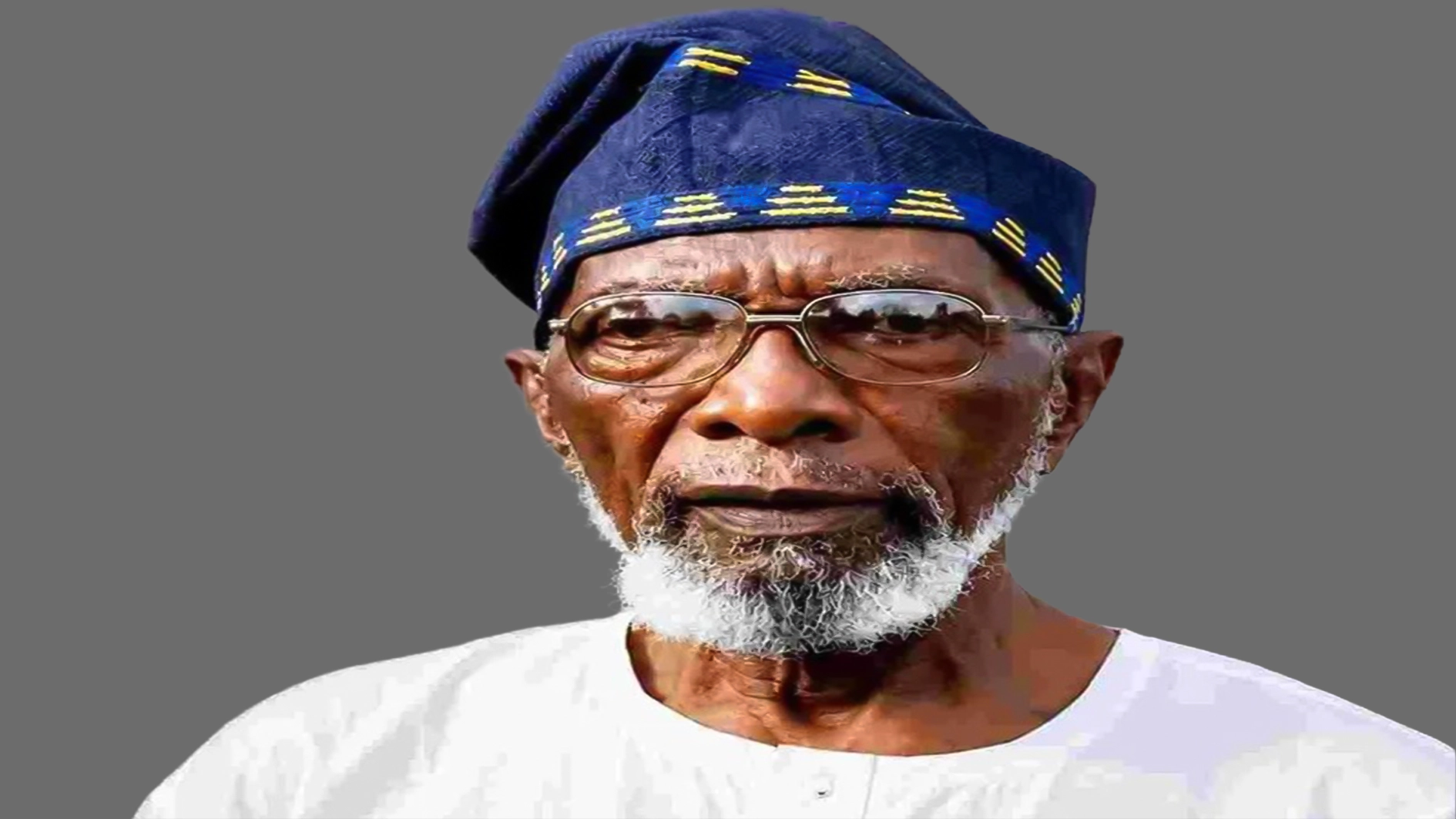
Nigeria must return to radical politics and development model that is people-centred, Nigeria’s progressive community comprising labour activists and former students have said.
They warned that the consequences of Nigeria’s worsening inequality, deepening poverty and governance crisis are dire.
In glowing tributes to renowned historian and socialist scholar, Dr Segun Osoba, activists describing him as an uncompromising intellectual whose ideas remain relevant to the country’s search for social justice, constitutional reform and accountable governance.
At the Second Segun Osoba Memorial Symposium held in Abuja, scholars, labour activists and former students argued that Nigeria’s worsening inequality, deepening poverty and governance crisis reflected many of the structural problems the late academic had identified decades ago.
Delivering the keynote presentation, ‘Comrade Segun Osoba: The Radical Historian Who Stood with the People,’ political scientist, Prof. Jibrin Ibrahim described Osoba as a patriot, mentor and committed socialist who dedicated his scholarship to advancing the interests of ordinary Nigerians rather than the country’s political elite.
He said Osoba, who died in May at the age of 92, transformed the teaching of history at the University of Ife by introducing generations of students to radical historiography and Marxist methodology while encouraging them to analyse Nigeria’s realities rather than merely reproduce ideological theories.

According to Ibrahim, Osoba’s influence extended far beyond the classroom, with many activists, academics and labour leaders drawing inspiration from his lectures, public debates and mentorship.
He recalled that Osoba and the late Dr Bala Usman authored the famous minority report submitted to the 1975–76 Constitution Drafting Committee, a document many progressives still regard as a blueprint for a more democratic and equitable constitutional order.
Ibrahim argued that Osoba’s analyses of Nigeria’s ruling class remain remarkably relevant, noting that the historian traced the emergence of what he termed the “Nigerian power elite” from the early 1950s and explained how political power gradually became a tool for private wealth accumulation rather than public service.
He said the country’s political economy had since evolved into one driven by “primitive accumulation of capital,” where access to state resources increasingly became the principal objective of politics.
Reflecting on Osoba’s writings, Ibrahim noted that the late scholar consistently challenged successive ruling elites for prioritising personal enrichment over national development, warning that such a political culture would inevitably fuel corruption, inequality and institutional decline.
He further argued that Nigeria’s political space had become dominated by politicians interested primarily in looting public resources while exploiting ethnic and religious divisions to retain power.
According to him, the inability of progressive political forces to build a united and strategically organised movement had weakened their capacity to offer a credible alternative despite their long history of struggles for democracy, workers’ rights and social justice.
He urged younger generations to embrace Osoba’s conviction that intellectual work must ultimately serve the interests of ordinary people and contribute to building a more egalitarian society.
Earlier, Chairman of the Planning Committee, Dr Y.Z. Ya’u, said the symposium formed part of the activities of the “Osoba for Eternity” platform, established to preserve and promote the late scholar’s intellectual legacy.
He described the platform as a coalition of members of Osoba’s family, academics, trade unionists, former students, civil society actors and other progressives committed to advancing the ideals for which the historian stood.
Ya’u said the group planned to institutionalise annual memorial lectures, establish prizes in selected universities, publish collections of Osoba’s writings and tributes, and work towards creating a foundation dedicated to preserving left scholarship in Nigeria.
He stressed that while individuals die, transformative ideas endure.
“Osoba is an embodiment of ideas that should be treasured and made widely available to the public,” he said.
He also renewed calls for lawmakers to study the minority constitutional proposals prepared by Osoba and Bala Usman nearly five decades ago, arguing that ongoing constitutional debates demonstrated the continued relevance of those recommendations.
According to Ya’u, the symposium’s theme, ‘Segun Osoba, Radical Historiography and the Defence of the Common People’, provided an opportunity for scholars, labour leaders, gender activists and civil society organisations to reconnect with the ideals that shaped Osoba’s lifelong struggle.
He described the late historian as a principled scholar who rejected ethnic and religious divisions in favour of a pan-Nigerian vision rooted in justice, equality and the emancipation of the poor.
Other activists maintained that honouring Osoba required more than celebrating his scholarship, insisting that his ideas should serve as practical tools for confronting Nigeria’s persistent governance challenges and advancing a constitutional order that prioritises development, social justice and the welfare of citizens.

