 Follow Us on Google News


 Follow Us on Google Discover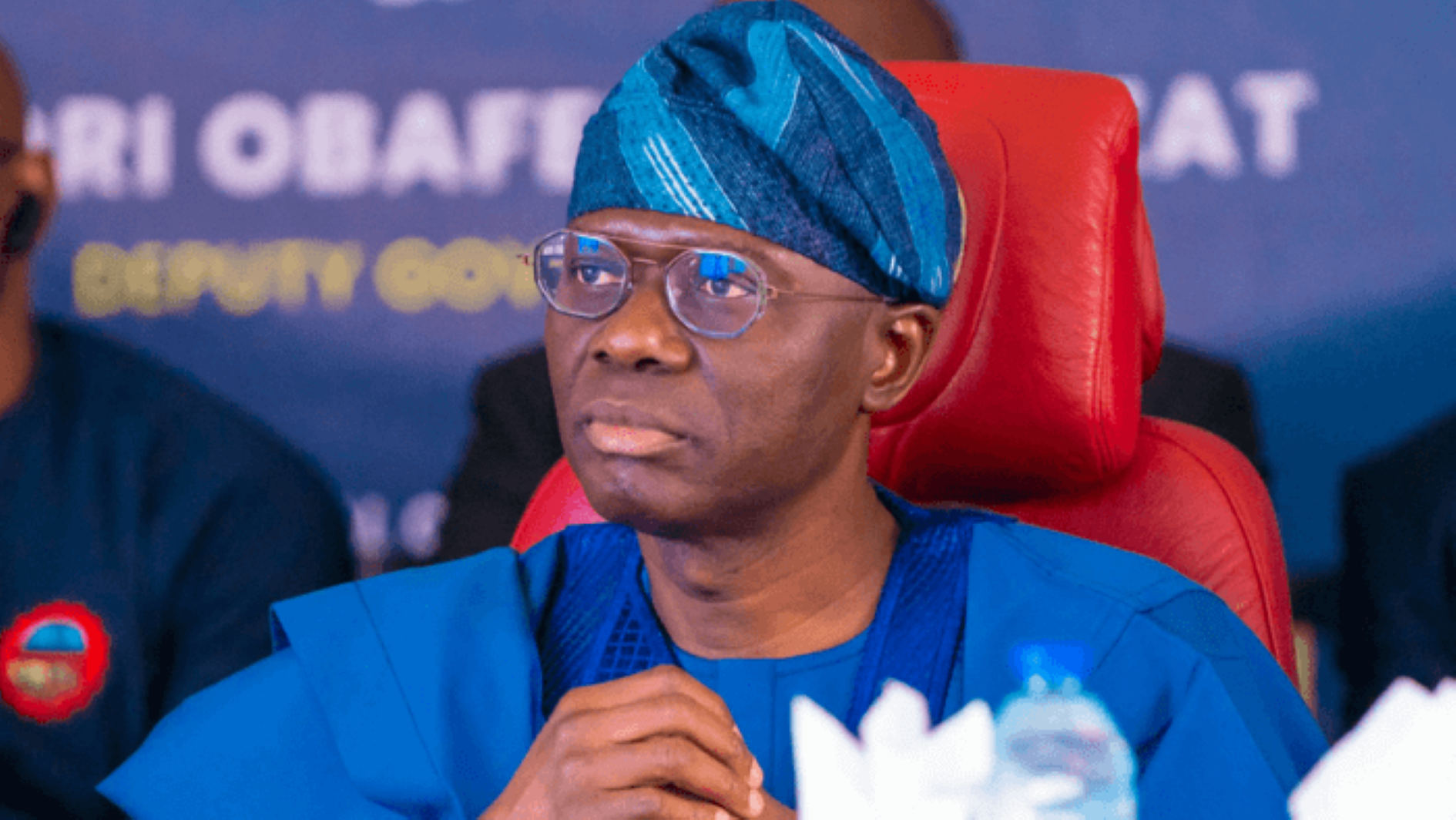
State targets 3.5 gigawatts of electricity supply
Lagos State Governor, Babajide Sanwo-Olu, yesterday urged stakeholders in the power sector to end the culture of blackouts in the state and in the country, and to stop giving excuses to build a resilient, progressive economy.
Sanwo-Olu, in the company of his deputy, Dr Obafemi Hamzat, made the remark during a stakeholders’ meeting tagged: “Lagos State Government high-level strategic town hall meeting on ending the culture of blackouts and building a sustainable 24/7 power economy in Lagos State,” held at State House, Marina.
Also in attendance were some members of the State Executive Council.
The forum brought together key public- and private-sector leaders to formulate concrete action plans to achieve reliable 24-hour power in the state.
The event also featured prominent representatives from key corporate and regulatory bodies, including the Nigerian National Petroleum Company Limited (NNPCL), the Nigerian Upstream Petroleum Regulatory Commission (NUPRC), the International Finance Corporation (IFC), the Africa Finance Corporation (AFC), as well as state power authorities, such as the Lagos State Electricity Regulatory Commission (LASERC) and the Independent System Operator.

Sanwo-Olu, while delivering a frank and impassioned address, called on stakeholders “to drop corporate egos, abandon long-standing excuses, and confront the harsh realities obstructing progress in the power sector.”
The governor acknowledged the frustration across both public and private sectors regarding discussions that yield little practical outcome.
He noted that “following recent decentralisation and regulatory unbundling in Nigeria’s energy sector — which empowered state institutions to manage independent power architectures — states can no longer blame centralised federal control for stagnant progress.
Sanwo-Olu, therefore, called for an open, “gloves-off” dialogue aimed at identifying systemic flaws, shortfalls on the part of the government, and performance gaps within the private sector.
He emphasised that the goal of the closed-door interactive session was to move beyond dialogue and develop a functional, actionable roadmap to deliver dependable electricity to Lagos residents and businesses.
On his part, Lagos State Commissioner for Energy and Mineral Resources, Biodun Ogunleye, stated that the town hall was convened to end the culture of blackouts in the state.
Ogunleye said that, aside from hearing from practitioners on the identified gaps and problems affecting electricity supply, it also brought forward studies undertaken by the state government that could help end blackouts.
Also speaking, Chief Executive Officer of the Lagos State Electricity Regulatory Commission, Temitope George, identified constraints in generation and transmission, energy theft, vandalism and non-payment of electricity bills as major challenges affecting the sector.
She stated that electricity supply to Lagos, which had previously exceeded 1,500 megawatts, had recently dropped to below 1,000 megawatts.
George urged electricity consumers to pay for the power they use, warning that non-payment distorts the electricity market and ultimately undermines other consumers’ ability to receive an adequate supply.
MEANWHILE, in continuation of the Federal Government’s drive to strengthen Nigeria’s transmission network, Minister of Power, Joseph Tegbe, had on Tuesday commissioned upgraded transmission infrastructure at Alausa and Lekki in Lagos, adding a combined 272MW of bulk power capacity to two of the state’s most economically significant corridors.

