 Follow Us on Google News


 Follow Us on Google Discover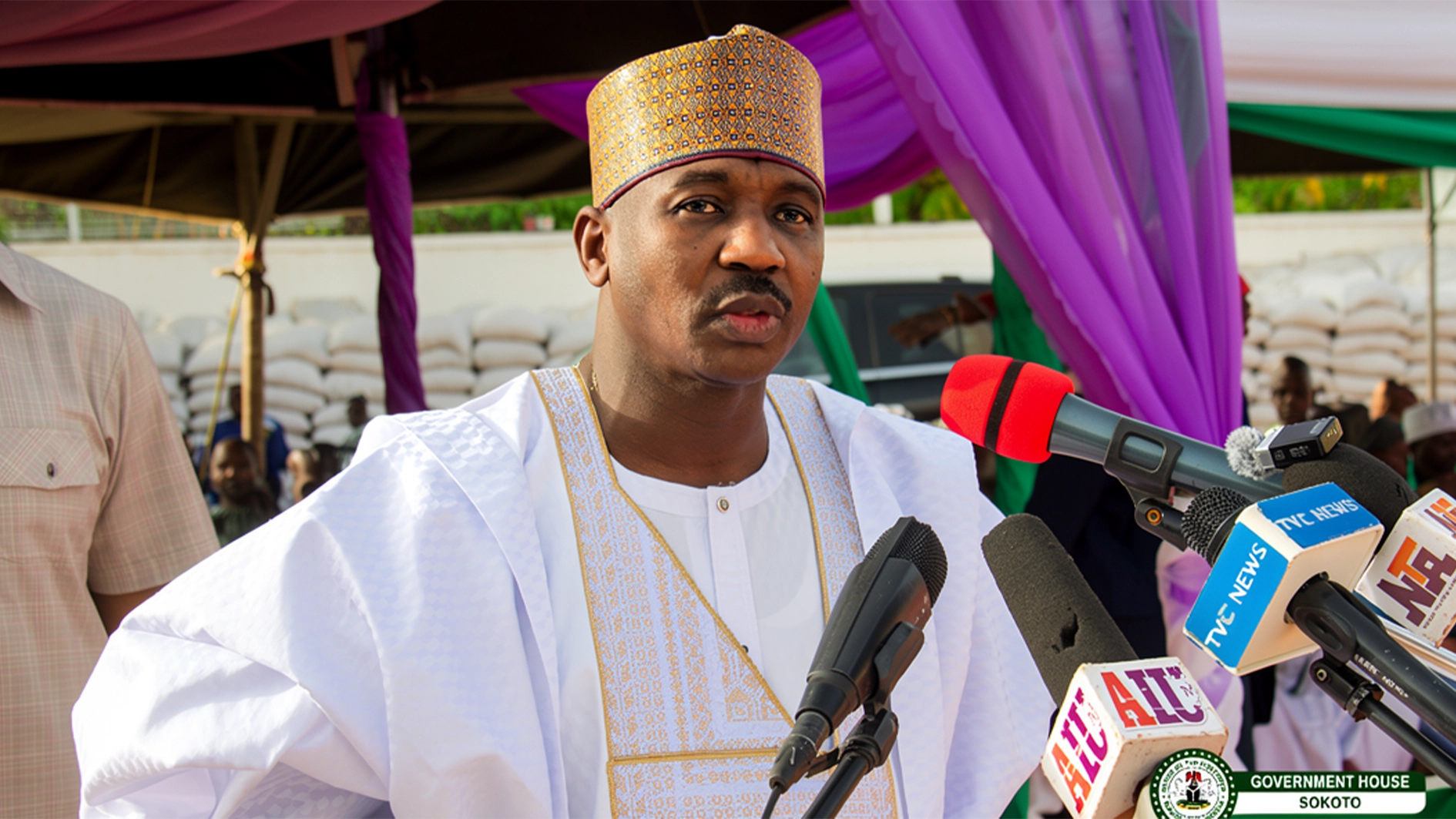
The Sokoto State Ministry of Basic and Secondary Education with the United Nations Children’s Fund (UNICEF) and other development partners have unveiled a 10-year gender-responsive and climate-resilient education plan for the state.
The project is aimed at transforming learning and ensuring inclusive access to quality education for children across the state.
Speaking at the event, the Commissioner for Basic and Secondary Education, Prof. Ahmed Ladan Ala, commended the initiative, describing the plan as an important framework for addressing challenges confronting education in the state.
He urged those who developed the document to accept constructive criticism, saying stakeholder input would help strengthen the plan and make it more responsive to the needs of the people.
Ala also endorsed the document for use in the state, calling for its effective implementation to ensure tangible improvements in education delivery.
The UNICEF Sokoto Field Office Chief, Dr. Michael Juma, said the plan provides an opportunity to address major barriers preventing children from accessing and completing quality education in the state.

Juma identified poverty, insecurity, displacement, socio-cultural barriers and limited learning opportunities as factors undermining enrolment, retention, transition and educational outcomes, particularly in northern Nigeria.
He said the plan must move beyond policy document and be translated into practical interventions that would ensure every child in Sokoto has access to quality education, feels safe in school and acquires the knowledge and skills needed to thrive.
He identified three priorities for successful implementation: urgent implementation, sustainable financing and accountability, and ensuring that no child is left behind.
“The plan must be reflected in government budgets, work plans and partner-supported programmes. We must also ensure timely allocation of resources, efficient utilisation of funds and transparent tracking of expenditure.
“We must take deliberate measures to reach children in hard-to-reach communities and remove the barriers confronting girls, children with disabilities, Almajiri learners, nomadic children and children affected by insecurity, poverty and displacement,” Juma added.
He assured that UNICEF would continue to support Sokoto State in strengthening its education system.
Also speaking, the Director-General/Chief Executive of the National Institute for Educational Planning and Administration (NIEPA), Dr A.D. Shofoyeke, said the plan was part of a wider NIEPA-UNICEF collaboration to strengthen education planning and administration in five states of Lagos, Jigawa, Enugu, Sokoto and Adamawa.
Shofoyeke said the collaboration began in 2025 with the review of existing education sector documents and training of education planners and Education Management Information System (EMIS) officers on evidence-based planning, gender-transformative education, equity and disability-inclusive education.
He said the initiative also involved developing local education sector plans and conducting yearly education sector performance assessments.
Shofoyeke stressed that the success of the initiative would not be measured by the production of policy documents alone, but by their implementation and impact on children and communities.
“This collaboration is not just about drafting plans; it is about implementation and impact,” he said.

