
 Get Guardian on Google
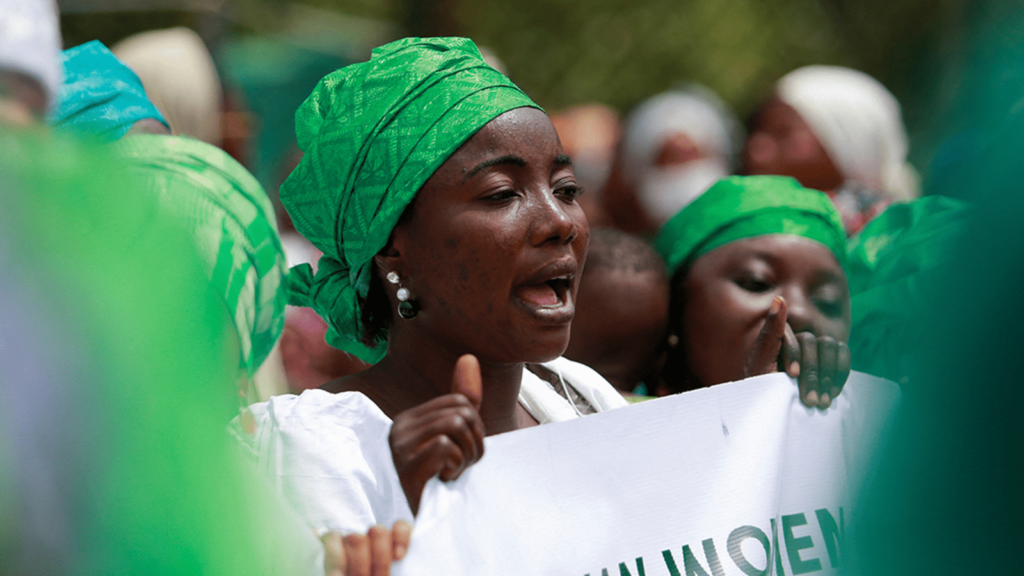
Stakeholders have called for stronger public institutions, effective enforcement of laws and equal opportunities for women and girls as critical steps towards building a just and inclusive Nigeria.
They made this call at the VWeta Chadwick poetry prize 2026 event organised by Project ASHA in Lagos with the theme; “The Nigeria we want.”
The poetry competition received winners from the junior, senior and male categories.
The winner for junior category is, Takon Esther; for senior category is Favour Ochuwa Momoh and for the| male category is Solomon Godson.
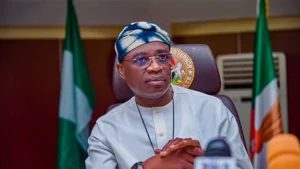
A political leader, Rasaq Olusola Ajala said the country could not genuinely claim progress while women and girls continued to face discrimination, violence, intimidation and unequal access to opportunities.
In his keynote address themed, ‘The Nigeria We Want: Building Institutions That Deliver Justice to Citizens and Guarantee Equal Opportunities,’ said equal opportunities for women were not acts of favour but matters of justice, equality and responsible governance.
According to him, denying women and girls access to quality education and opportunities deprives society of their talents, experiences and contributions.
He said: “The Nigeria we want is a country that guarantees justice for everyone, irrespective of gender, religion, ethnicity or social status. A country where women and girls can pursue their dreams without fear, where their rights are respected, their voices are heard and their contributions recognised.”
Ajala who was represented by a board member of the Lagos State Universal Basic Education Board (SUBEB), Owolabi Jamiu Falana stressed that building the desired Nigeria required deliberate actions beyond speeches, slogans and political promises, noting that the country’s aspirations must be reflected in its laws, policies and institutions.
He urged Nigerians to uphold the rule of law and take responsibility for their actions, arguing that society could not demand accountability from others while tolerating discrimination in homes, workplaces, communities and public institutions.
“The Nigeria we want must begin with us,” he said.
On the responsibility of government, Falana maintained that protecting the security, dignity and fundamental rights of citizens, particularly women and girls, was a core obligation of governance.
He called for stronger laws and institutions to prevent gender-based violence, protect survivors and ensure perpetrators were held accountable.
He also urged law enforcement agencies, judicial institutions and relevant authorities to be adequately equipped to respond effectively to cases of abuse.
According to him, reporting mechanisms must be safe and accessible, while survivors should have access to legal assistance, medical care, counselling and other support services.
Ajala further argued that access to justice should not depend on an individual’s financial status, political connections or social standing.
He identified education and economic empowerment as other critical pillars of an inclusive society, describing education as one of the strongest instruments for breaking the cycles of poverty, discrimination and inequality.
He urged stakeholders to ensure that girls had equal access to quality education, particularly in communities where poverty, cultural barriers and other social challenges continued to limit their opportunities.
Veteran Nollywood actor, Segun Arinze, condemned the use of comedy and entertainment to trivialise domestic violence, sexual harassment and the humiliation of women, warning that such content reinforces harmful stereotypes and normalises abuse in society.