 Follow Us on Google News


 Follow Us on Google Discover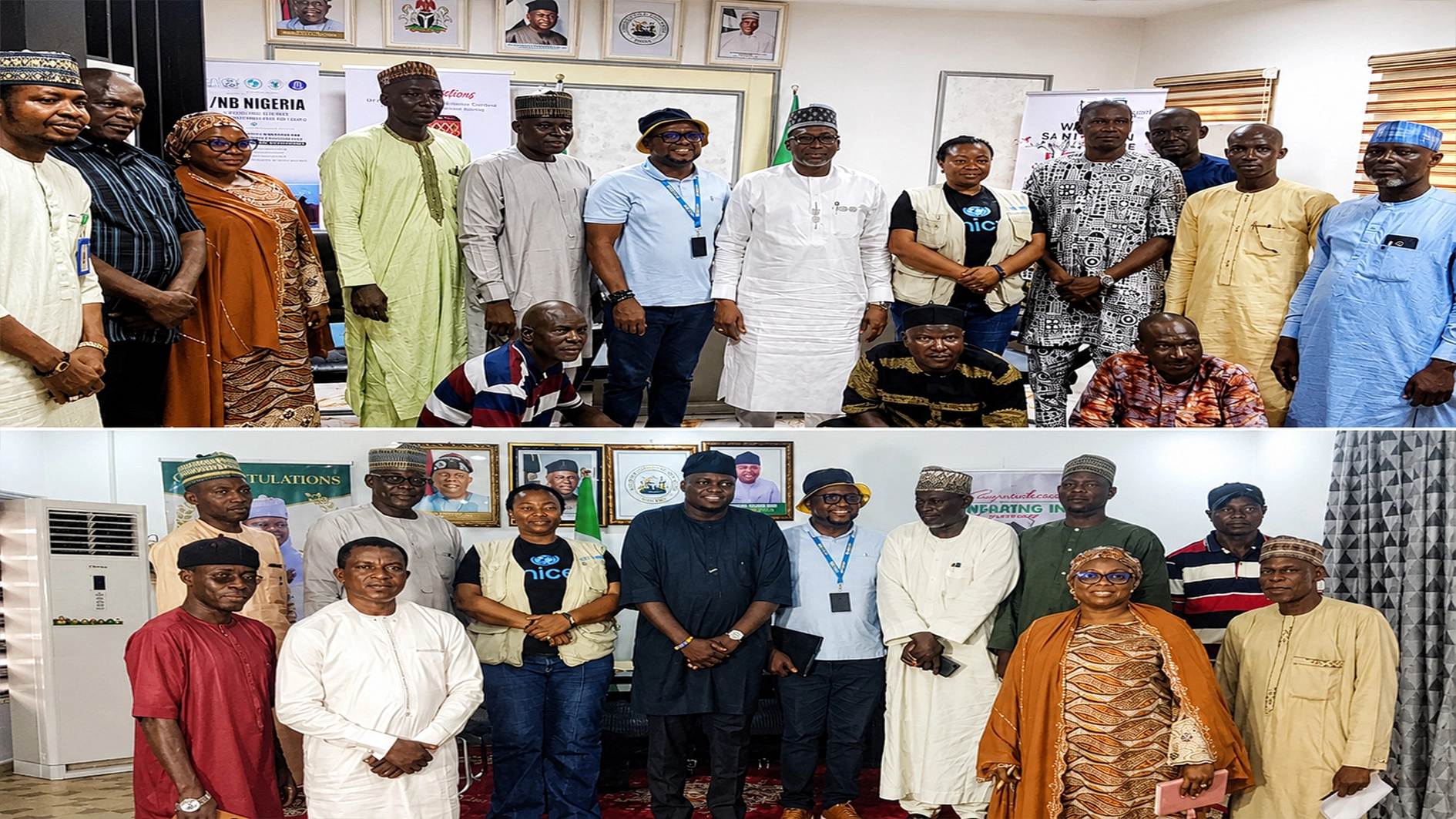
The United Nations Children’s Fund UNICEF, in partnership with the Adamawa State Government, has intensified efforts to make rural communities open-defecation-free (ODF).
The initiative is being implemented through the Access to Water and Sanitation for All (ASWA III) project, with support from the Federal and State Governments, funding from the Netherlands Government, and implementation by UNICEF.
The General Manager of the Adamawa State Rural Water Supply and Sanitation Agency (ADRUWASSA), Esly Emmanuel, disclosed this during a courtesy visit yesterday, Friday, by UNICEF and ADRUWASSA to the two benefiting Local Government Areas in the state.
Emmanuel said the project aims to transform communities practising open defecation into open-defecation-free communities and reduce the outbreak of diseases, particularly during flooding. He said a toilet census revealed a serious shortage of household toilets in both LGAs.
According to the census, only 646 out of 7,298 households visited in Ganye LGA had toilets, while in Shelleng LGA, just 12,661 out of about 38,000 households had toilets. He attributed the high rate of open defecation to the lack of toilets and warned of its negative effects on community health.
The Chairmen of Shelleng and Ganye LGAs, Abubakar Isa Maijama’a and Kamsobe Daniel, respectively, pledged their support for the project. They promised financial assistance to WASH units, public enlightenment and the introduction of bylaws to promote and enforce open-defecation-free practices in their communities.
UNICEF Social and Behaviour Change Specialist, Ike George, said the high cost of constructing toilets according to communities was a major reason many households could not afford them. He explained that the project adopted the Access-Based Community Development approach, which brings together skilled community members to construct toilets using local skills and resources.

The Water, sanitation and hygiene officer, Nambam Dawap, said the project had introduced the SATO pan as a safer and more hygienic alternative to open pit latrines because of its enclosed design and ease of cleaning. She called for continued government support to achieve the goal of making Adamawa State open-defecation-free.
From Joy Dennis, Yola

