 Get Guardian on Google
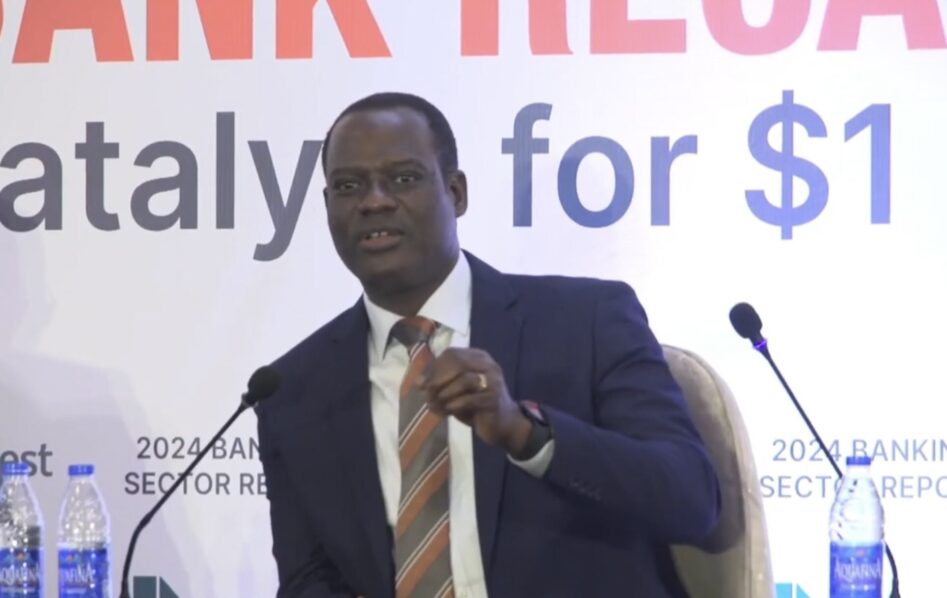
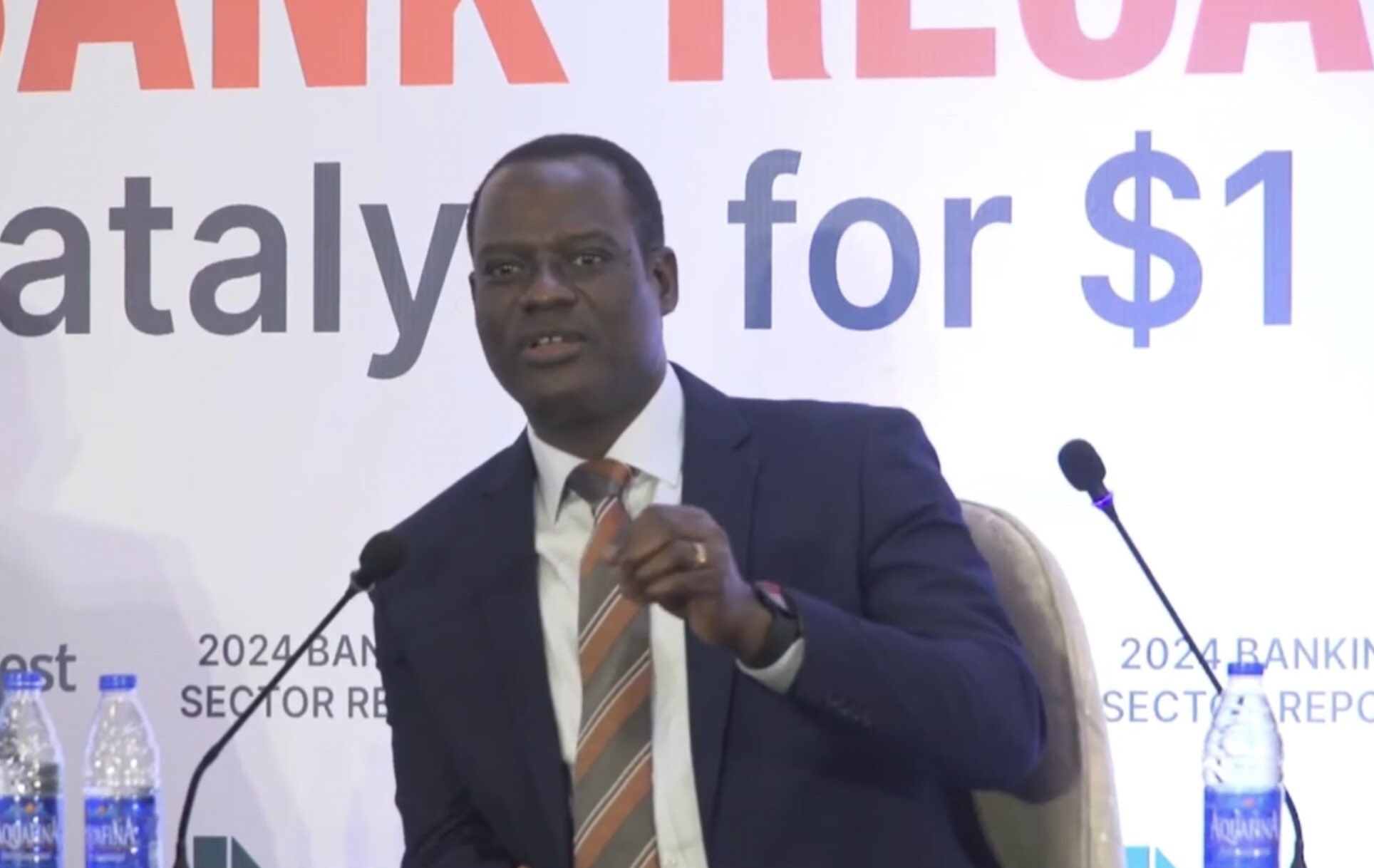
Chairman of the Presidential Fiscal Policy and Tax Reforms Committee, Taiwo Oyedele, has cautioned that a Supreme Court ruling in favour of Rivers and Lagos States in their Value Added Tax (VAT) case could have dire implications on Nigeria’s revenue distribution system.
Oyedele, in a statement, said this in response to a comment by the Revenue Mobilisation Allocation and Fiscal Commission (RMAFC) chairman, Mohammed Bello Shehu, who raised concerns about the distribution of VAT allocation and derivation.
He said the proposed VAT revenue-sharing formula in the tax bills, along with the other VAT reform proposals, is meant to address key issues that are existential to the VAT regime as it currently operates.
“There is a pending case by Rivers and Lagos states seeking to administer VAT as a state tax in view of the perceived inequity in the current distribution formula,” Oyedele said.
“In addition to the perceived unfairness of the distribution formula, the current derivation model is skewed in favour of head office locations, which mainly benefits Lagos and Rivers state.”
Oyedele stated that if the pending case at the Supreme Court succeeds states will lose the opportunity to share VAT revenue among themselves as any revenue generated by each state will be retained 100% – 100% derivation model.
He added that “import and international VAT will become the sole revenue of the federal government along with FCT VAT, which altogether account for more than 50% of the current VAT revenue compared to the 15% being shared by the federal government that is proposed to reduce to 10% under the tax bills in favour of states.
“Moving away from the central collection of VAT will not only lead to significant revenue loss of over 50% for all the states; they will also face challenges in collecting VAT as evident from the old sales tax regime administered by states and the consumption tax being collected currently by some states.
“This will make states and local governments vulnerable and further increase subnational fiscal risks with the attendant economic and social consequences.
“There will also be challenges to commerce and interstate trade in addition to the cascading effect on inflation.”