
 Get Guardian on Google
African and Caribbean countries have called for increased funding, stronger intellectual property protection and improved access to markets to accelerate the development of the continent’s cultural and creative industries.
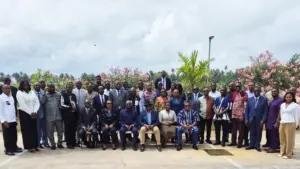
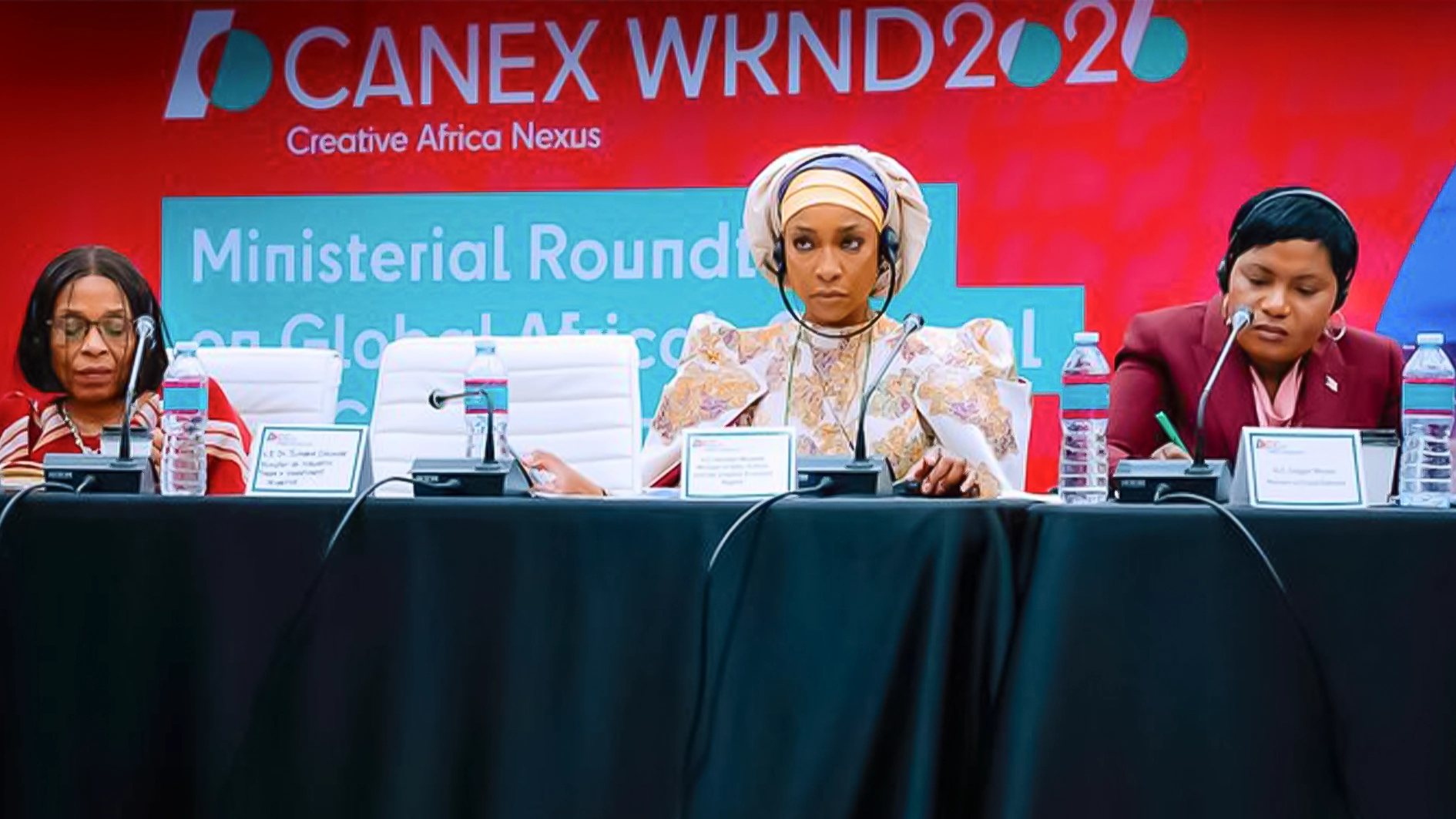
The ministers made the call in a communique adopted at the end of the Ministerial Roundtable on the Global African Creative Economy, at the ongoing Creative Africa Nexus (CANEX) WKND 2026 in Lagos yesterday.
The meeting, organised under the theme, ‘From Commitments to Implementation: Accelerating Global Africa’s Culture and Creative Industries in the Age of AI and Innovation’, brought together ministers responsible for cultural and creative industries from African and Caribbean countries.
The communique was issued following the roundtable organised by the African Export-Import Bank (Afreximbank), in collaboration with the African Continental Free Trade Area (AfCFTA) Secretariat, the African Union Commission and the Federal Government of Nigeria through the Federal Ministry of Arts, Culture, Tourism and the Creative Economy.
The participating countries included Nigeria, Algeria, Guinea, Rwanda, Senegal, Botswana, Mozambique, the Bahamas, Namibia, Malawi, Zambia, Ghana and Côte d’Ivoire.
The ministers highlighted the critical role of culture and creative industries in economic development, job creation, youth empowerment, inclusion and peace.
They also acknowledged the importance of national and regional policy instruments and their alignment with other sectors, including tourism, trade and digital technologies, in strengthening Africa’s cultural and creative industries.
The communique recalled the Charter for African Cultural Renaissance as a framework for placing culture at the centre of development, continental integration and shared African identity.
It also recognised the African Union’s Plan of Action on Culture and Creative Industries and the Statute of the African Audiovisual and Cinema Commission as important instruments for creating an enabling environment, promoting innovation, protecting intellectual property and supporting cross-border trade and job creation.
On the growing influence of digital technologies and artificial intelligence (AI), the ministers acknowledged the opportunities they offer to creators and entrepreneurs but stressed the need to address questions of ownership, cultural representation and economic equity.
To accelerate the sector’s growth, the ministers called on member states, stakeholders and development partners to promote intra-African and Africa-Caribbean trade to expand markets, strengthen creative industry value chains and deepen regional integration.
They also called for funding and investment mechanisms tailored to the needs of the cultural and creative industries.
The ministers urged member states to sign, ratify and domesticate the Statute of the African Audiovisual and Cinema Commission and the Charter for African Cultural Renaissance, while supporting the Great Museum of Africa and the revision of the Charter.
They further called for stronger political collaboration, networking and cultural cooperation to encourage the exchange of ideas, promote dialogue and strengthen regional integration.
The communique also urged governments to improve data collection and research to support evidence-based decisions in the creative economy.
It called for appropriate regulatory frameworks, strategies and infrastructure to enable African creators to participate fully in the digital economy and use AI to advance the continent’s cultural and creative industries.
The ministers committed to working with the African Union Commission and Afreximbank to implement the recommendations.
They also agreed to establish mechanisms for accountability, continuous monitoring, evaluation and learning to track progress.

They further called for regular follow-up and networking platforms to encourage collaboration and the sharing of experiences and best practices.
Speaking at the closing session, the Permanent Secretary, Federal Ministry of Arts, Culture, Tourism and the Creative Economy, Abdul Karim Ozi Ibrahim said the success of the roundtable would depend on translating its resolutions into practical policies and measurable actions.
He said the creative economy was not merely about cultural expression and talent but also an important driver of economic diversification, job creation, entrepreneurship, investment, regional integration and sustainable development.
Ibrahim said: “The true measure of the success of this roundtable will not be in the quality of the presentations delivered, the papers produced or the resolutions adopted, but in what we collectively do with the knowledge, commitments and recommendations that have emerged from this gathering.
“Our hope and expectation is that the conversations we have had here will not end on paper, nor will the commitments become another set of recommendations gathering dust on our shelves. Rather, they must translate into deliberate policies, practical programmes, strategic partnerships, increased investment and measurable actions.”
He also stated that there is need for African countries to move from dialogue to implementation, noting that no country could unlock the full potential of the creative economy in isolation.
According to him, governments must strengthen cross-border collaboration, facilitate the movement of creative goods, services and talent, protect intellectual property, develop creative infrastructure and establish platforms that connect African creatives to regional and global markets.
He urged ministers and policymakers to take the outcomes of the meeting back to their respective countries and translate them into concrete national and regional interventions.
Ibrahim also called for mechanisms to sustain engagement, monitor progress and ensure accountability for commitments made at the roundtable.
He said the ambition should be to build an inclusive, competitive and sustainable African and Caribbean creative economy that benefits both established players and emerging artists, filmmakers, fashion entrepreneurs, musicians, animators, cultural practitioners and tourism operators.
He expressed appreciation to Afreximbank and other partners for supporting the roundtable and the wider development of Africa’s creative industries.