 Follow Us on Google News


 Follow Us on Google Discover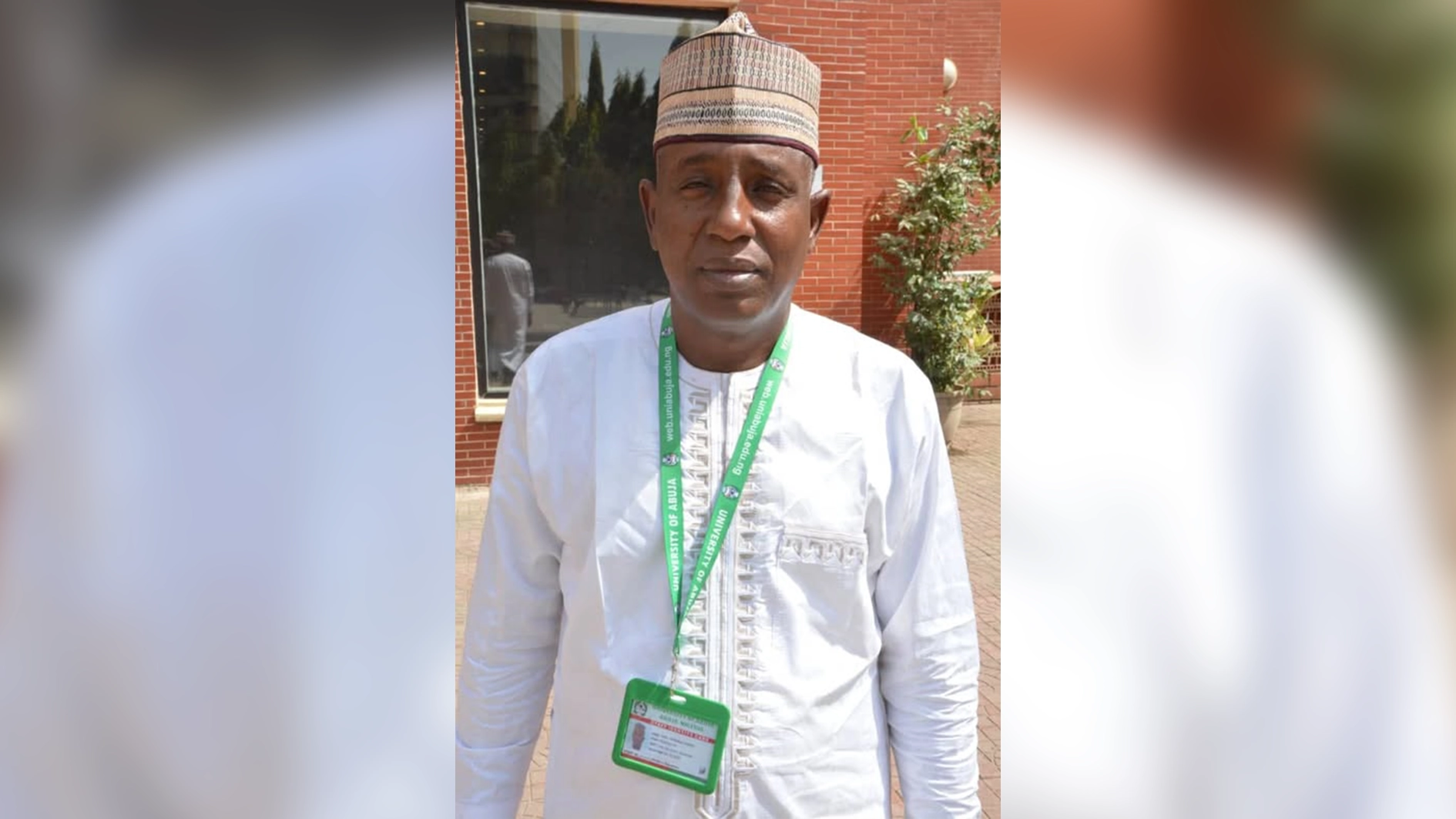
Concerned by the rising use of inflammatory rhetoric ahead of the 2027 general elections, a Professor of Political Economy, Conflictology and Alternative Paradigms at the University of Abuja, Prof. Abubakar Sadeeque Abba, on Wednesday urged Nigerians to reject politicians who deploy hate speech and incite violence for political gain.
The call came as religious leaders, peace advocates, diplomats and development partners gathered in Abuja for the 8th General Assembly of the Inter-Faith Dialogue Forum for Peace (IDFP) Nigeria, where they launched the Inter-Faith Code of Conduct (ICOC) to promote responsible religious leadership and peaceful coexistence.
The conference had the theme: “Hate Speech and Violence: The Role of State and Non-State Actors in Nation Building.”
Speaking during an interview session with journalists, Abba lamented that hate speech and violence had become deeply entrenched in Nigeria’s political, economic and social environment because of weak institutions and selective enforcement of the law.
According to him, the country has gradually normalised divisive rhetoric, allowing some individuals to profit politically and socially from spreading hatred.
“To be sincere and honest, for quite some time now, hate speeches and violence in Nigeria have been weaponised. It has been turned into both political, economic and social ladders through which Nigerians climb to fame and stardom,” he said.

He argued that Nigeria cannot make meaningful progress where laws are not enforced and where certain individuals appear to operate above the law.
“The Nigerian state, represented by the government, as well as the corporate community, has fallen short in addressing the actors of hate speech and violence.
No nation can truly develop when its laws are not enforceable and realities are far removed from the expectations of ordinary citizens,” he added.
With political campaigns expected to commence ahead of the 2027 elections, Abba advised politicians to abandon divisive rhetoric and embrace issue-based campaigns centred on policy alternatives.
He observed that many politicians fail to distinguish between legitimate campaign messaging and hate speech, urging them to engage communication professionals capable of articulating their manifestoes without inflaming ethnic, religious or political tensions.
The professor, however, placed greater responsibility on Nigerian voters, urging them not to reward politicians who rely on hate speech to mobilise support.
He said citizens should reject any political actor who promotes violence or divisive rhetoric, insisting that the electorate remains the ultimate determinant of who occupies public office.
Abba called for greater civic consciousness, arguing that democracy can only thrive when citizens actively defend constitutional values and demand accountability from elected leaders.
Religious leaders must become peace ambassadors
Senior Programme Manager at the King Abdullah bin Abdulaziz International Centre for Interreligious and Intercultural Dialogue (KAICIID), Agustin Nunez-Vicandi, stressed the importance of empowering religious leaders to counter hate speech and prevent violence.
He explained that the newly launched Inter-Faith Code of Conduct contains shared values agreed upon by Christian and Muslim leaders, including commitments to reject hate speech, discourage blasphemy and promote peaceful dialogue.
According to him, KAICIID has continued to strengthen the capacity of religious actors because of the enormous influence they wield within their communities.
“Our support is aimed at ensuring religious actors are better equipped to combat forms of hate speech that further exacerbate existing tensions in Nigerian society,” he said.
Responding to concerns that some clerics themselves have been accused of promoting divisive rhetoric, Nunez-Vicandi acknowledged that religious leaders, like other societal actors, are not immune from engaging in hate speech.
He maintained that their credibility within their faith communities makes them indispensable partners in peacebuilding.
Co-Secretary of the Inter-Faith Dialogue Forum for Peace Nigeria, Imam Shefiu Abdul Kareem Majeonu, warned that politicians frequently exploit religious leaders during election periods to inflame the political atmosphere.
According to him, the peace conference brought together about 200 faith leaders to remind them of their obligation to promote peace rather than political tension.
He said sermons, public statements and religious gatherings possess enormous capacity to shape public opinion, making it imperative for clerics to exercise restraint and responsibility.
“We do not want religious messages to become sources of excitement that push people towards violence. Nigeria belongs to all of us, and we must ensure peaceful coexistence,” he said.
On suggestions that religious leaders who promote hate speech should be sanctioned, Majeonu admitted that punishment may be difficult because of the loyalty many followers have towards their spiritual leaders.
Rather than relying solely on sanctions, he advocated continuous engagement, peer accountability and capacity building among faith leaders.
Speaking on the significance of the Inter-Faith Code of Conduct, Majeonu disclosed that the document was developed over six years through consultations involving religious stakeholders.
He described it as a practical guide for promoting responsible religious leadership, strengthening interfaith relations and ensuring that public religious messages contribute to peace instead of conflict.
Earlier, in a joint welcome address, the Co-Chairs of the Inter-Faith Dialogue Forum for Peace Nigeria, Imam Dr. Yusuf Yakubu Arrigasiyu and Rev. Abainitus Akila Hamman Jr., described the launch of the Inter-Faith Code of Conduct as a major milestone in Nigeria’s peacebuilding efforts.
They noted that Nigeria continues to face complex challenges, including religious intolerance, ethnic suspicion, hate speech, misinformation, insecurity, violent extremism and political tension.
According to them, peace cannot be sustained by government alone but requires collaboration among religious leaders, traditional rulers, civil society organisations, the media, development partners and ordinary citizens.
“The fight against hate speech is a responsibility that belongs to all of us,” they declared.
While acknowledging the constitutional responsibility of government to uphold justice and protect citizens, they stressed that non-state actors equally have crucial roles in preventing conflict.
They urged religious leaders to preach peace from churches and mosques, encouraged traditional rulers to strengthen dialogue within their communities, challenged civil society organisations to expand peace education, and called on journalists to uphold responsible journalism.
The co-chairs also appealed to social media users to reject misinformation and inflammatory content, while encouraging young Nigerians to become ambassadors of peace rather than instruments of violence.
The forum appealed to embassies, international organisations and development partners to increase support for community peacebuilding initiatives, youth engagement, women’s participation in peace processes, early warning and response systems, and programmes aimed at countering hate speech and misinformation.

