 Follow Us on Google News


 Follow Us on Google Discover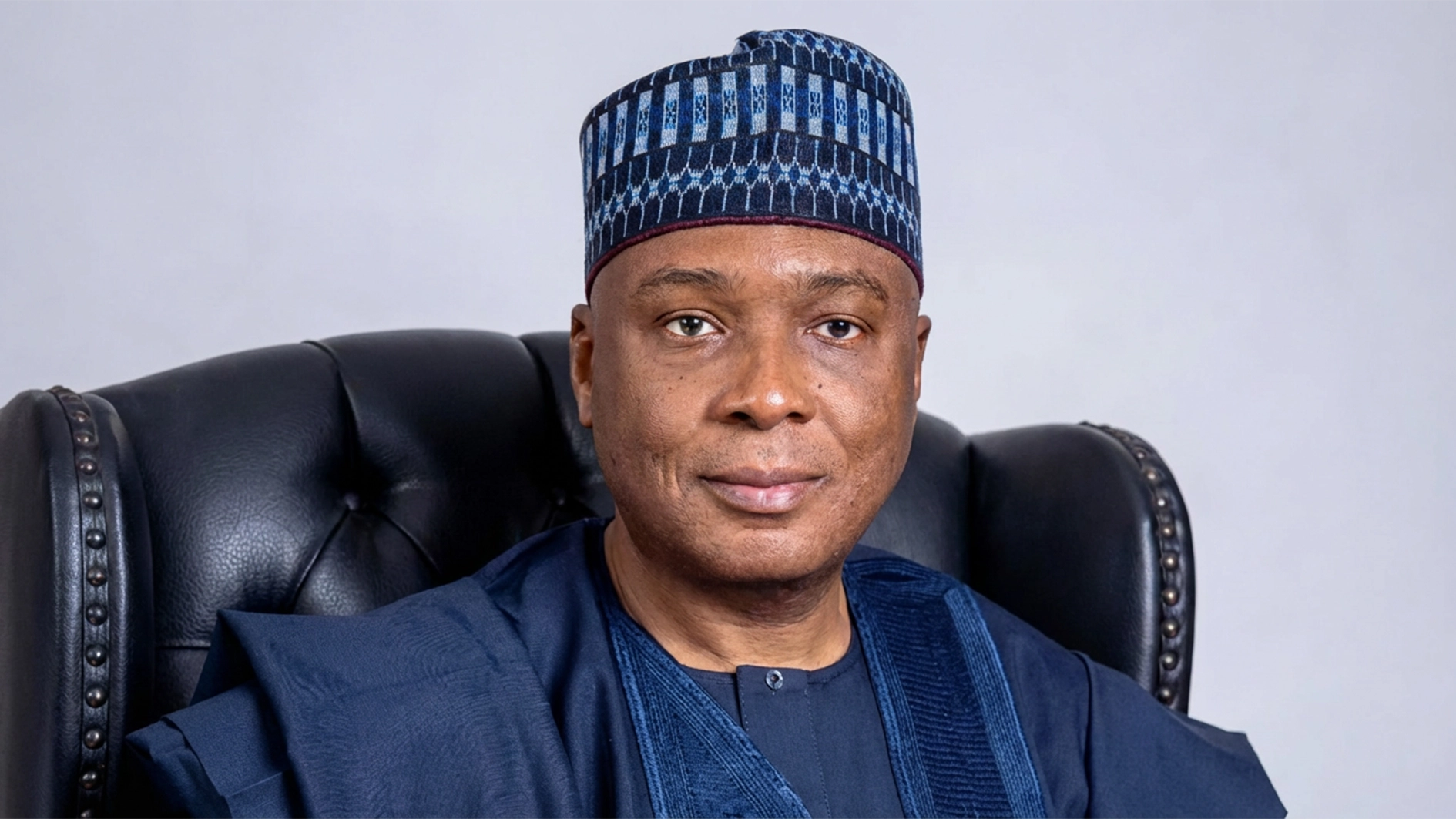
By Abiodun Fagbemi
If former Kwara State governor and former President of the Senate, Dr. Bukola Saraki, were compared with the famous French astrologer and seer, Nostradamus, it would perhaps not be entirely out of place given the apparent accuracy of some of his political forecasts.
Nostradamus, born in 1503, remains one of history’s most celebrated and controversial figures. His prophecies have been revered by some, dismissed by others and debated for centuries.
Admittedly, Saraki is miles apart from the pedigree of the French seer in the business of prophetic utterances. Yet, the Ilorin-born Waziri Ngeri appears to have correctly anticipated a significant transformation in Nigeria’s democratic journey: the gradual shift of political power from politicians to the electorate, with performance in office increasingly becoming a decisive factor in determining electoral fortunes.
The outcome of the recent Osun State governorship election readily comes to mind.
In 2005, at the famous Mandate Hall in Ilorin, Saraki, in his characteristic interaction with journalists, spoke about the future of Nigeria’s democracy and the factors that would determine whether elected politicians secure second terms in office. This writer was among the members of the Fourth Estate of the Realm who listened to him that day.

Saraki had observed that as Nigerian democracy matured, the principal criterion for re-electing political office holders would increasingly be their achievements in office. He foresaw “a situation where the veritable criterion for re-election into political offices for second term would be the achievement in office of the incumbent.”
That prediction appeared to influence the political strategy of his administration.
Saraki directed his political appointees and encouraged elected representatives to return to their constituencies and commence empowerment programmes, popularly described at the time as “poverty alleviation” initiatives.
Many embraced the initiative, although the momentum appeared to diminish after the expiration of Saraki’s tenure and the emergence of Alhaji Abdulfatah Ahmed as his successor.
Over time, however, dissatisfaction among sections of the electorate grew. While political elites were perceived by many as enjoying the benefits of political power, a large segment of the population continued to grapple with economic hardship. The situation eventually provided fertile ground for the emergence of the Otoge movement.
The movement, driven by political activists and opposition figures including Akogun Iyiola Oyedepo, Rex Olawoye, AbdulYekeen Alajagbusi and Femi Yusuf, popularly known as “Koto-koto,” among others, propagated the message that a new political order was necessary to restore hope and improve the welfare of ordinary people. By then, the political pendulum had begun to swing.
Saraki’s last-minute efforts to retain political control in the state did not succeed. The Otoge slogan had resonated strongly with the electorate, and the 2019 election produced a decisive political realignment in Kwara State.
Looking back, those of us who sat in the Mandate Hall that day and listened to Saraki speak about the future of Nigerian democracy may well appreciate the significance of that prediction. His message remains relevant to contemporary political office holders: democracy is not merely about winning elections; it is ultimately about delivering tangible benefits to the people.
After nearly three decades of covering Kwara State as a journalist, I am increasingly convinced that political calculations, alliances and pre-election manoeuvres may influence elections, but performance in office remains one of the strongest factors capable of determining where the electoral pendulum eventually swings. The lesson is straightforward.
Politicians seeking re-election should not rely solely on political structures, slogans, endorsements or the strength of party machinery. They must also be prepared to point to measurable achievements and demonstrate that their tenure has improved the lives of the people they govern.
The electorate, too, is becoming increasingly conscious of its power. As democracy deepens, the people may ultimately become the most important political structure. And that, perhaps, was what Saraki saw coming as far back as 2005.
*Fagbemi, a lawyer, wrote from Ilorin.

