 Follow Us on Google News



 Follow Us on Google Discover
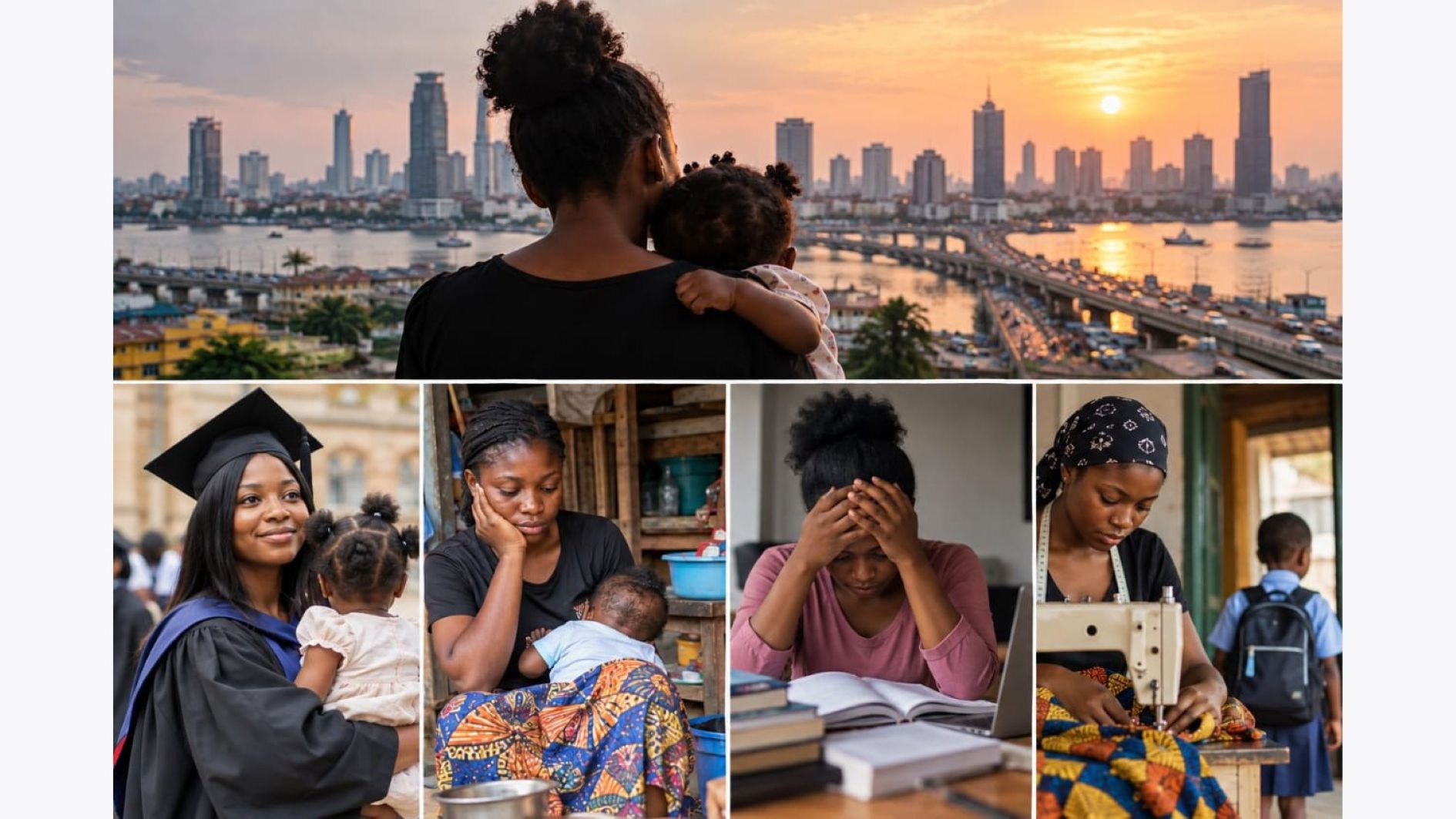
… How would a child raise a child?
‘Motherhood is definitely not a child’s play – it is a responsibility for properly grown and groomed adult women who have gone through all the phases of womanhood, learnt every needed lesson and are certified for motherhood. Then, she knows the drill and understands what is expected of her in all ramifications as a mother’.
‘Teenage motherhood should not be treated as the end of a girl’s prospects. A young mother can still finish her education, learn a skill and work towards the future she wants. Support makes that easier’.
Motherhood is one of the hardest and most enduring responsibilities bestowed on women by God. From the exhausting three main stages of pregnancy to labour, then nursing and raising children at all levels of upbringing: welfare, healthcare, education, morals, religion, values, culture, etc, nothing beats the fear of not getting it right with your children in the course of raising them as a mother.
While a lot of women would say motherhood is the most rewarding part of womanhood: getting pregnant, giving birth and having to watch them grow and become great, the reality is different.
The thought of easy scale through the phases always look good in every woman’s imagination – it makes being a mother feels simple, easy and desirable until she wakes up to the reality of her role from day-one till the rest of her life, one that if not properly played becomes a plight that she lives with every day wondering where she got it wrong.

Motherhood is definitely not a child’s play – it is a responsibility for properly grown and groomed adult women who have gone through all the phases of womanhood, learnt every needed lesson and are certified for motherhood. Then, she knows the drill and understands what is expected of her in all ramifications as a mother.
Unfortunately, approximately one in seven girls aged 15-19 years in Nigeria, according to the Nigeria Demographic and Health Survey 2023-2024 report, has begun childbearing.

Thus when a girl child who is still being raised and nurtured by her mother suddenly takes a detour from her mother’s bosom of being cared for as the child that she still is, becomes pregnant and a mother herself, what happens to her? How would a child raise a child?
Who takes responsibility for early pregnancy?
More often than not, teenage girls are impregnated by either another boy-child or a grown adult man with zero morals and baggage. So these male figures are usually not readily available to support the girl except for a few cases.
Cynthia Ayoola was 15 when she became pregnant. Her family struggled to pay for her medical care during childbirth. She was impregnated by a married man. According to her, the pregnancy brought shame. “People accused me of trying to ruin the man’s marriage. Even the man refused to take responsibility.”
Her family was already struggling. Their father had died, and their mother did not earn enough to provide for everyone. So how does a 15-year-old whose mother still struggles to care for her be a mother to a child that needs more care?
Eventually, when Cynthia went into labour she developed complications. The family needed about ₦300,000 for her treatment and did not have it. They feared she might die. Neighbours eventually helped them raise the money.
That money only covered the emergency. It did not cover what came after. According to Cynthia, the baby’s father offered little or no help, so she began selling fried meat in front of the house to earn money while caring for her child.
Several months passed and she was still living with their mother, no independent income and could not support herself and her child without help. When the child became old enough to start school, Cynthia could not afford it, so the child stayed with her without education.
For 17-year-old Fatima Olanshile, when she became pregnant, she left home because she was afraid of how her father would react. The family went through the agony of searching for her and when they did, she summoned the courage to tell her aunt what had happened.
At the time, Fatima had moved in with the mother of her boyfriend who was also an 18-year-old teenage boy when he got her pregnant. His mother initially accepted her, and Fatima accompanied her to the shop, helping her with sales. But the relationship quickly deteriorated as it started. Her boyfriend’s mother could not continue to cater for her from the little income from the shop after she gave birth to the baby – there were too many mouths to feed. Her boyfriend tried to support with his shoemaker work but the living conditions became increasingly difficult. There was never enough money or food for her and the baby.
Fatima eventually decided to leave when the child was 4-year-old and they could not afford to enroll him in a school. She packed her belongings and travelled to Lagos to return to her father’s house. Unsure of how her father would receive her after she had left home years earlier but to her surprise, he welcomed her. He enrolled her son in school, while Fatima began learning fashion design. Now, she hopes to complete her training and build a life for herself and her child.
Adeshola Abimbola was 18 and in her third year at university when she became pregnant by her boyfriend who lived in her neighbourhood in Ikorodu, Lagos. She usually saw him during school holidays. He accepted the pregnancy and agreed to take care of her and the child. Her siblings wanted her to stay in school. They knew she was close to finishing her degree. Her sister, in particular, urged her to complete it before deciding what comes next.
However, Adeshola was ashamed to go back to campus with a protruded stomach. The thought of facing other students and being ridiculed for being pregnant at such an early age and out of wedlock weighed on her. So she dropped out of school.
“I dropped out of school, gave birth to my child, and moved in with my boyfriend,” she said.
Shortly after, she got pregnant again and later had a second child, a boy. She now regrets not taking her sister’s advice.
Her boyfriend’s support did not remove her shame.
For girls, who leave school when they get pregnant, going back can require a lot of childcare, money and flexible arrangements. Without these, a break can become the end of a girl’s education.
What teenage pregnancy and motherhood do to a young mother
Silver Peniel Lale, a lecturer in psychopathology and substance use at the University of Calabar, said an unexpected pregnancy can overwhelm a teenager who is still going through the changes of adolescence. She may feel unready for the responsibilities, and the changes to her body make the pregnancy hard to keep private.
“She may feel anxious and confused as she watches her teenage years pass while she prepares for motherhood and her friends move on with their lives,” Lale said.
Shame, criticism from relatives and neighbours, and the sense of being left behind can wear down her confidence.
Some teenagers withdraw from other people or struggle to picture their future. The strain is greater when the pregnancy interrupts school or vocational training and her peers carry on without her. “Family rejection and isolation make it worse. Without the people she trusts, a young mother may not talk about her difficulties or ask for help,” Lale said.
She listed warning signs: difficulty concentrating, frequent mood swings, withdrawal from other people and constant regret. “This does not mean a mother has a mental health condition, but persistent or worsening symptoms should not be ignored.
“Persistent sadness, hopelessness and a feeling of worthlessness may need professional attention. There is need for immediate professional help if there is a threat of suicide or self-harm, including threats to harm the baby
“Support should combine emotional care with practical help. Postnatal counselling and medical check-ups can help young mothers after childbirth. Parenting programmes, support groups and visits from trained health workers can offer guidance. Family members can help with childcare and encourage a mother to go back to school or training. Severe distress can also affect how a young mother responds to her baby’s needs and how confident she feels as a parent,” Lale said.
She stressed that this does not mean the teenage mother will struggle to bond with her child. Support and parenting guidance can help both mother and baby.
She advised that teenage motherhood should not be treated as the end of a girl’s prospects. A young mother can still finish her education, learn a skill and work towards the future she wants. Support makes that easier.
The role of family
What happens to a girl after she becomes a mother depends heavily on the support around her, her family’s financial status, and the opportunities available to her.
Family can make the difference in some cases. But a family can be willing and still unable to provide sustained support.
Where a pregnancy involves sexual abuse, violence or the exploitation of a child, there are formal channels for seeking help in Lagos. The Domestic and Sexual Violence Agency (DSVA) handle reports of domestic and sexual violence, child abuse, rape and related offences.
In October 2025, the Lagos State Government announced the reintroduction of the USSD short code *6820# for MTN users to seek help and report cases. The agency also operates a 24-hour toll-free helpline, 08000-333-333. Its services include medical intervention, counselling, psychosocial support, legal assistance and referrals to safe shelters.
These services address important needs, but they do not cover everything a teenage mother may require. A girl who wants to return to school may need help with fees and childcare. Another may need vocational training or a reliable source of income. Those experiencing emotional distress may need counselling and continued support beyond the immediate period after childbirth.
Returning to school/vocational training
Education is particularly important in considering what happens next. For girls who had to leave school, opportunities to return to school or acquire vocational skills can help keep their futures from being defined by that phase of their life.
Teenage motherhood does not lead to one inevitable outcome. A girl may continue her education with help from her family; another may struggle to provide for her child while trying to build an independent life. Some may later regret leaving school, while others may find a different path.
The question then is not just what happens when a girl becomes a mother, but what opportunities remain available to her afterwards. Support must extend beyond childbirth to include healthcare, education, childcare, skills training and the means to earn a living.

