 Follow Us on Google News


 Follow Us on Google Discover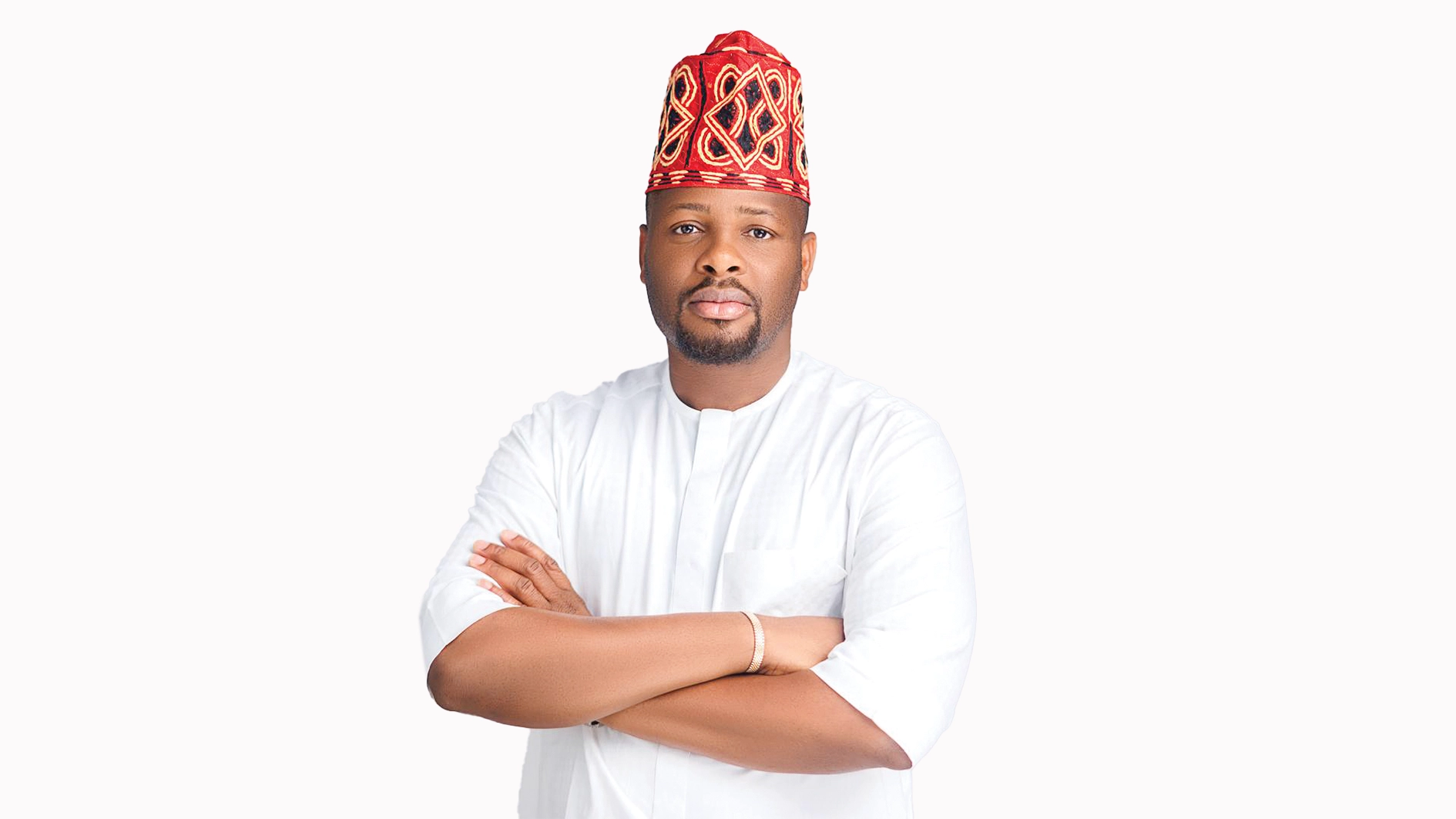
Lagos State government and the Canadian Deputy High Commissioner, Carlos Rojas-Arbulú, have called for improved packaging, coordination and promotion of the country’s tourism particularly Lagos, to attract more competitive destination for local and international visitors.
They made the call at a meeting with tourism stakeholders from the local councils and grassroots, tagged “Experience The Best of Lagos,” held in the Victoria Island axis of the state.
The Special Adviser to the Lagos State Governor on Tourism, Arts and Culture, Idris Aregbe, said the state was determined to unlock the tourism potential of its communities and reposition the sector as a major driver of economic growth.
Aregbe urged officials at the council level to take greater responsibility for identifying and promoting tourism attractions within their jurisdictions, stressing that many valuable destinations remained largely unknown even to residents.
He described the 20 local councils and 37 Local Council Development Areas (LCDAs) in Lagos as a major advantage in the state’s tourism promotion strategy, saying the grassroots structures could help expose attractions across the state to a wider audience.
According to him, tourism destinations may be located within individual councils, making the active participation and ownership of the councils critical to their development and promotion.

He said Lagos could no longer afford to wait until December before its tourism economy became vibrant, noting that the state had increasingly become a destination where visitors book hotels months ahead of the festive season and, in some cases, extend their stay beyond the holidays.
The Special Adviser stressed that tourism was much broader than entertainment, noting that it encompassed commerce, arts, food, culture and several other sectors of the economy.
The Canadian Deputy High Commissioner, Rojas-Arbulú, supported the call for better packaging, saying Lagos had significant tourism value that could be converted into economic opportunities if properly presented to international visitors.
Speaking from the perspective of a foreigner who has lived in Lagos for two years, Rojas-Arbulú described his experience in the city and Nigeria as “transformational.”
He suggested the development of organised tourism packages containing different locations and experiences, supported by accessible transportation and service providers capable of facilitating visitors’ movements.
Rojas-Arbulú further called for a deliberate change in the narrative about Lagos and Nigeria, arguing that the city needed to take greater control of how it was presented to international audiences.
He also expressed willingness to support efforts to present Lagos and Nigeria in a more positive light to Canadians, particularly through stronger links between the creative and tourism ecosystems in Lagos and Toronto.

