

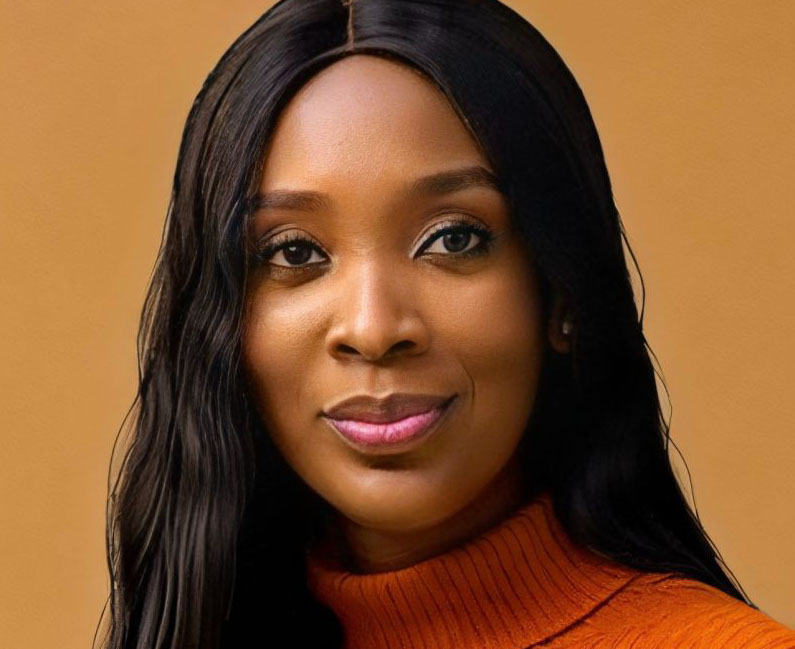

.As more women venture into male-dominated fields and demonstrate capabilities, we’ll gradually shift perceptions, break down gender barriers
Chinedu Otakpor-Azih is a co-Founder and Managing Director of Kazih Kits Limited. Founded in January 2015, the company has become a one-stop shop for security items for many companies in Nigeria and Ghana. Otakpor-Azih, who holds a first degree in Business Studies (Management), and a Master’s in Business Education, worked briefly as a school administrator and later with a security agency before going into manufacturing and entrepreneurship. She is a seasoned business continuity practitioner, administrator and marketer, who had participated in several programmes, home and abroad. She is also a certified investigator. In this interview with TOBI AWODIPE, she talks about her journey into entrepreneurship, the experiences as well as her activities at promoting women empowerment and sustainability.
Tell us a bit about your growing up years and education. Would you say it influenced what you do now?
I fondly remember my growing-up years in Ibadan, a bustling city with a blend of culture, history, and modern life. It was here, at Command Secondary School that my love for uniforms began. There was something about the discipline, unity and strong sense of identity they projected that intrigued me. The sight of those military men and women in their well-tailored uniforms left an indelible mark on my young mind and subtly influenced my career path. From an early age, I was instilled with the values of hard work, perseverance, and the importance of making a difference, lessons that have guided my professional journey. I pursued my academic ambitions, earning a Bachelor’s degree in Business Studies (Management) and later a Master’s degree in Business Education from the University of Lagos. In retrospect, I believe my education indeed played a significant role in what I do now. My understanding of business principles and management was honed during my studies, providing me with the tools to navigate the entrepreneurial world. Moreover, my Master’s degree in Business Education not only equipped me with deep theoretical knowledge but also the practical aspects of managing and growing a business.
It was the combination of this knowledge with the passion ignited in my school days that truly led me to co-found Kazih Kits Limited, which handles production, packaging, and distribution of professional-grade uniforms and shoes. This journey has not just been about creating a successful business it has also been about honouring those early impressions, my appreciation for discipline and identity, and channeling them into an offering that holds true value for our customers. In essence, my growing-up years and education have influenced not just what I do now, but also how I approach my work. I strive to uphold the principles of discipline, unity, and identity in my business, reflecting the same principles that those uniforms represented to me all those years ago.
Take us briefly through your career up till when you went into co-founding your business?
My career began shortly after completing my National Youth Service when I joined a security firm based in Lagos. It was a fruitful experience that gave me firsthand insight into the complexities and challenges of the security industry. One recurring issue stood out, procurement and management of uniforms and kits. From substandard materials supplied by tailors to disappointments from cobblers and accessories suppliers, it was a mess that resulted in financial losses and operational inefficiencies for the firm. Realising that this issue wasn’t unique to the company I was working for, I sensed an opportunity.
There was a gap in the market for a reliable, one-stop-shop solution that could handle all aspects of security kits production and supply. The idea was simple yet profound, allow security companies focus on their core operations while a dedicated entity handles their kitting needs and that was how Kazih Kits Limited was born. The company is founded on the premise of providing high-quality uniforms and kits, consistent supply, and above all, a stress-free procurement process for security companies. As the co-founder and managing director, I leveraged my management and business education background to navigate the initial stages of the company, setting it on a path of growth and expansion.

The journey into entrepreneurship hasn’t been without its challenges, but each hurdle has served as a steppingstone, driving us to innovate and continually enhance our product and service offerings. Today, we are the go-to for many companies, a testament to our dedication to solving the industry’s kitting challenges and a validation of our initial concept. In retrospect, the transition from an employee to an entrepreneur was fueled by an identified need, a passion for solutions and a strong desire to create a positive impact in the security industry. Our continued success is a testament to the importance of spotting opportunities and daring to tackle them head-on.
When did you know it was the right time, did you feel any fear?
The decision to start off in 2015 was primarily driven by the gaps I mentioned that I observed in the security industry, specifically around the procurement and management of uniforms and kits. In terms of timing, a few factors aligned to make 2015 the right time to embark on this journey. First, I accumulated valuable industry experience and understood the dynamics and nuances of the sector. Next, I had recently completed my Master’s degree in Business Education, equipping me with the theoretical knowledge and practical skills needed to manage and grow a business. Lastly and perhaps most importantly, there was a palpable shift happening within the Nigerian entrepreneurial landscape at that time.
The government and other stakeholders were beginning to create an environment that was more conducive for startups. New policies were being introduced to support small and medium-sized businesses, and there was an increase in entrepreneurial training programmes and access to capital. Thus, recognising the market need, armed with the necessary skills and knowledge, and encouraged by a supportive business environment, I felt confident that it was the right time to come in. Looking back, it’s clear that that decision set us on a path of growth and success that we continue to enjoy today.
How are you thriving in this male-dominated field?
Operating in a traditionally male-dominated field has been an interesting challenge, but it has also been a powerful motivator. I’ve learned that success in such a context is less about gender and more about demonstrating competence, reliability and a deep understanding of the industry’s needs. From the start, I focused on building a solid reputation based on these principles. I emphasised quality and consistency in our products and services, ensured that we always delivered on promises, and invested in understanding the unique needs of each client. These practices have earned us a high level of trust and respect and have allowed us flourish regardless of gender norms.
Also, I believe my perspective, as a woman, has been an asset. It has allowed me bring fresh ideas and approaches to the business and has been instrumental to creating a diverse and inclusive company culture. This unique approach has been particularly beneficial in enhancing our customer service and forging strong relationships with our clients. Additionally, I have strived to serve as a role model for other women in the industry, demonstrating that it’s entirely possible to thrive in a male-dominated field.
I am proud to be part of a movement that is slowly but surely changing the gender dynamics in the security industry and beyond. Of course, it hasn’t always been easy. I’ve had to contend with bias and skepticism at various points in my journey. But with every challenge, I’ve remained resilient, used it as an opportunity to prove my mettle, and demonstrated that gender does not determine capability or success. Thriving in a male-dominated field is about demonstrating your value and maintaining a relentless focus on excellence. It requires resilience and the will to shatter stereotypes and it’s immensely rewarding to not only succeed in such a context but also contribute to breaking barriers for future women leaders in the industry.
What holistic solutions are you offering to Nigerians in this space?
We provide comprehensive solutions in professional security kits management. Understanding the complexities and unique needs of this industry has enabled us develop a range of services that solve multiple challenges faced by security organizations in Nigeria.
We assure top-tier quality in all our products, from uniforms to boots and accessories, aim to simplify procurement processes by providing all-inclusive customised solutions tailored to meet the specific requirements of each client and we have built robust logistics and supply chain mechanisms to ensure efficient and timely delivery of orders. Also, we launched initiatives such as “Waste as a Resource” to repurpose waste materials from our operations plus a great customer service team. My aim is to not only provide valuable service but also contribute to improving the standards and efficiency of this industry in Nigeria.
As a woman founder, do you experience any form of discrimination or bias?
While it’s true that biases and discrimination persist in many industries, including mine, which is male-dominated, I have chosen to approach this challenge from a different perspective. Yes, there have been instances where my capabilities were underestimated because I am a woman, and sometimes people are surprised to find out that I lead a business in a typically male industry. However, I’ve never let these deter me. Instead, I’ve used them as motivation to push myself harder and prove that competency and leadership know no gender.
My commitment to quality, my passion for innovation, and the trust of our clients helped me overcome any initial biases I’ve faced. Moreover, my experience has shown me that professionalism and results can speak volumes and slowly chip away stereotypes and biases. I also believe that as more women venture into male-dominated fields and demonstrate their capabilities, we’re helping to gradually shift perceptions and break down gender barriers. Lastly, I ensure that at Kazih Kits, we are committed to equality and do not tolerate discrimination of any form. This ethos is reflected in our hiring practices, workplace culture and the way we do business. Ultimately, my goal is to drive change not just within my company, but also within the industry as a whole.
You mentioned that you are passionate about helping other women realise their potential. How are you doing this?
Empowering other women, particularly those with entrepreneurial aspirations, is indeed one of my deepest passions. I actively mentor women starting their own businesses or those looking to take their existing businesses to the next level. Through “Waste as a Resource”, we have empowered local community women by providing for them new skills and decent, sustainable income. We help them turn waste materials into new products such as pillows, mats, shoes, bags, and other accessories. This supports women economically, while also promoting environmental sustainability. I also promote gender equality by providing equal opportunities for women in all roles. I often participate in workshops and seminars aimed at women in business, both as a speaker and an attendee. This gives me an opportunity to learn from other successful women and share my own experiences and insights as well. I also volunteer with organisations like the Cherie Blair Foundation for Women, which provides mentorship and guidance to women entrepreneurs from different parts of the world.
You also run Virgin Dream. What issues are you solving with this project?
“Virgin Dream” serves as an extension of our core mission, promoting female empowerment and sustainability. We believe in creating sustainable solutions that provide lasting benefits for the women we serve and our host community. Through Virgin Dream, we have partnered with organisations to provide training on textile waste recycling and traditional loom weaving, teaching women the skills they need to turn waste into usable, sellable products. This initiative not only promotes environmental sustainability but also equips women with practical, income-generating skills. We’ve also worked with widows, understanding their unique challenges and providing them with resources and support to help them navigate these difficulties.
Our goal is to ensure that they are equipped to provide for themselves and their families. The Vision Board Party is another initiative where we host goal-setting events to help women visualise and strategise their goals for the year. This not only encourages self-development but also fosters a community where women can inspire and uplift each other. Continuous skill acquisition is at the heart of what we do at Virgin Dream. We believe in the power of education and practical skills to bring about meaningful change. By helping women learn new skills, we are not just helping them earn a living but also promoting self-confidence and independence. Through Virgin Dream, we are promoting a cycle of empowerment, where women, once equipped with skills and resources, can make significant contributions to their families and wider communities. The project stands as a testament to the power of skill-based training and community support in uplifting women and promoting sustainable development.
As an experienced entrepreneur, how can failed entrepreneurships be addressed?
Entrepreneurship, which is exciting and rewarding, comes with many challenges and risks, and not every venture is successful. However, there are ways to address the issue of failed entrepreneurship. Among them is fostering a culture of learning. Embrace failure as a learning opportunity rather than a setback. Entrepreneurs should be encouraged to analyse their failures, learn from their mistakes, and apply these lessons in their future endeavours. One of the biggest challenges for entrepreneurs is securing funding.
Governments, financial institutions, and private investors should provide more accessible funding opportunities for startups, and entrepreneurs should be educated on how to access and manage these resources effectively. There is also mentorship and networking. A mentor can provide valuable advice and guidance based on their own experiences. Furthermore, networking can provide opportunities for collaboration and learning from others in the same field. Building strong relationships can often make the difference between success and failure in business. There is also education and training: many entrepreneurs fail because they lack the necessary skills and knowledge to manage and grow their businesses.
By offering relevant training and education, we can equip entrepreneurs with the tools they need to succeed. There is the need to encourage entrepreneurs to cultivate resilience. The entrepreneurial journey is filled with ups and downs, and it’s the ability to weather the storm and keep going that often separates successful entrepreneurs from those who fail. By focusing on these areas, we can create a more supportive environment for entrepreneurship and increase the chances of success. Remember, every failed venture brings an entrepreneur one step closer to a successful one.
Why do you think women are under-represented in entrepreneurship funding
The under-representation of women in entrepreneurship funding is a complex issue with multiple contributing factors, including bias and stereotypes. Unfortunately, biases and gender stereotypes persist in the business world, including in the sphere of venture capital. Some investors subconsciously favour male entrepreneurs due to ingrained societal beliefs about leadership and business acumen. Also, research shows that female investors are more likely to invest in female entrepreneurs.
However, women are under-represented in the investment industry, which means fewer opportunities for female entrepreneurs to connect with like-minded investors. Many investment opportunities come through established networks. Since these networks have historically been male-dominated, women may face challenges in accessing the same opportunities. Some studies suggest that women are perceived as more risk-averse, which might influence funding decisions.
However, it’s important to note that being risk-averse in entrepreneurship doesn’t necessarily translate into being less successful. In addition, women often bear a disproportionate burden of family care responsibilities, which can limit their ability to dedicate time to networking, pitching, and other activities necessary to secure funding. Since many funded startups are in the tech industry, women’s underrepresentation in STEM fields can also contribute to their underrepresentation in entrepreneurial funding.
Addressing these issues requires a multifaceted approach, including challenging societal biases, increasing the representation of women in investment, supporting women in balancing their work and family responsibilities, and promoting women’s participation in STEM fields.
What are some challenges you have faced in running your business?
Running a business, especially in a field like uniform production and supply, presents several unique challenges.
Among them is logistics: Ensuring the timely production, packaging, and distribution of our products has been a significant challenge. This includes finding reliable suppliers and managing a complex supply chain that involves multiple steps and parties. Maintaining consistent quality across our product line is crucial, but it can be challenging. This involves strict oversight of our production processes, as well as a thorough inspection of the materials we receive from suppliers. There is also the issue of economic fluctuations: The changing economic landscape and currency fluctuations affect the cost of raw materials and our overall operation. It requires constant vigilance and agility to navigate these shifts and maintain profitability. Another challenge is regulatory compliance, which has to do with navigating the regulatory environment and ensuring compliance with different standards and certifications. The task can be complex and time-consuming.
In terms of market competition, although we have carved out a niche for ourselves, staying ahead of competitors requires continual innovation and improvement. There is also the challenge of staff management and retention. Like any business, retaining good staff and ensuring they are well trained and motivated is a significant challenge.
Despite these challenges, the satisfaction of providing a valuable service and contributing to the growth and professionalism of the security industry in Nigeria and beyond makes it all worthwhile.
Tell us something you do/did that has influenced your career positively today?
One of the practices that I believe have positively influenced my career is the cultivation of a growth mindset and continuous learning. From my early days, I developed a habit of always looking for ways to grow, improve, and innovate, which has been instrumental to getting me where I am today. I’ve always prioritised education, both formal and informal. An important part of my journey of continuous learning and development was also attending the OXFAM-EDC SME Impact Programme. This programme equipped me with a variety of skills, techniques, and strategies to maximise business potentials and navigate complex challenges. The knowledge and experiences I gained there have been instrumental to shaping my approach to business and my ability to adapt and thrive in an ever-changing business environment. In addition to learning, I’ve also been proactive in giving back and mentoring others, particularly women. This commitment is not just about being socially responsible, it has helped me develop a deeper understanding of the challenges faced by women in the workforce and entrepreneurship and has enriched my perspective and leadership skills. Finally, having a clear vision and setting achievable goals have played a major role in my career trajectory. The ability to visualise where I want to be and outline the steps needed to get there has been a powerful tool in navigating my career and leading us to our current level of success.
What inspires and keeps you going?
First, the satisfaction of creating something of value that addresses a significant challenge is deeply fulfilling. I am also inspired by the impact we are making in the lives of the women we work with through the Virgin Dream initiative. Seeing these women grow, become self-reliant and contribute positively to their families and communities gives me immense joy and fuels my desire to do more. Additionally, the challenges and complexities of running a business in a male-dominated industry inspire me. They push me to continually innovate, adapt and prove that women are just as capable and deserving of success in any field they choose to pursue. Also, the vision of where I want to see Kazih Kits and Virgin Dream in the future, the potential for growth, and the positive impact we can make keep me going, motivated and focused. Beyond these, continuous learning, the joy of overcoming challenges, and the support and love of my family and team are all significant sources of inspiration and motivation for me.
If you were not doing what you do now, what would have been your career choice?
I would have pursued a career in education or become a policymaker. My love for continuous learning and the impact education has had on my life have fostered a deep appreciation for this field. I believe education is a powerful tool for change and growth, and it has the potential to transform lives and societies. Being able to shape the educational experiences of others, foster their love for learning, and equip them with the knowledge and skills they need to thrive in life would have been a fulfilling alternative career path for me. I am also deeply passionate about women’s empowerment and social justice issues, so I could see myself working in a non-governmental organization or international agency that focuses on these areas. Essentially, any career that allows me make a meaningful impact and contribute to the betterment of society would have been a viable alternative for me.
What do you do to relax, what is your guilty pleasure?
I absolutely love spending quality time with my friends during our girls’ hangouts. We typically choose places close to nature, where we can enjoy the fresh breeze, the sound of leaves rustling, and the general tranquility. These hangouts provide the perfect setting to clear my head, laugh, and catch up on each other’s lives. They rejuvenate me and prepare me for the coming workweek. When I’m not hanging out with my friends, you can find me curled up on my sofa, watching movies. I enjoy a wide range of genres. They not only entertain me but also expose me to different cultures, ideas, and perspectives, which I find intellectually stimulating. Finally, my guilty pleasure is chocolate. Despite having a generally healthy diet, I give myself permission to indulge in a good piece of chocolate occasionally. Its sweet, melt-in-the-mouth goodness brings me instant joy and satisfaction. It’s my perfect treat after a long day of work.
What does the typical workday look like for you?
My typical workday starts quite early. I’m a firm believer in the saying, “The early bird catches the worm”. I’m usually up by 5:30 am. I start my day with some quiet reflection and meditation, which helps me align my thoughts and set the tone for the day. Afterwards, I engage in a light exercise, routine to energise myself. Following that, I get ready and have breakfast, usually something light and then begin my workday. First on my agenda is to review emails and respond to urgent ones. I then go through my to-do list for the day, which is usually prepared the night before. Prioritising tasks helps me stay organized and productive. Throughout the day, I have a mix of tasks, including but not limited to meetings with clients or my team, supervising production, strategic planning, and sometimes, mentoring sessions with upcoming entrepreneurs. I usually take a break around noon to have lunch and rest my mind a bit. Post-lunch, I return to my tasks and continue working until late in the evening. I try to wrap up my workday by 6:00 pm, but sometimes it extends due to the nature of my work. Once work is done, I spend my evenings unwinding. This could involve reading, watching a movie or spending quality time with family and friends.
Before retiring for the night, I reflect on the day, take stock of what I’ve accomplished, and prepare my to-do list for the next day. This helps me sleep better knowing I’ve set a clear agenda for the following day. Despite the structured nature of my typical workday, I always remain flexible. As an entrepreneur, I understand that unexpected issues can arise, and I’m always ready to adapt and tackle them as they come. The goal for me each day is progress, not perfection.
What advice would you give female founders and entrepreneurs?
To all aspiring and current female founders and entrepreneurs, believe in yourself and the value you bring. You have unique skills, experiences, and perspectives that no one else has. Your voice matters, your ideas are valid. Don’t let self-doubt or the fear of failure prevent you from pursuing your dreams. Failure is not a setback, but a steppingstone to success. Each failure brings with it a lesson that helps you grow and improve. Also, build a support network. Entrepreneurship can be a lonely journey, and having a strong support system can make a huge difference. This could be a mentor who guides you, peers who understand your struggles or a team that believes in your vision. Networking is also crucial; it opens doors to opportunities and collaborations. Also, always keep learning. The business world is dynamic and staying updated and adaptable is key. Finally, don’t forget to take care of yourself. It’s easy to get caught up in the hustle and forget that you are your most important asset. Prioritise self-care and remember it’s okay to take breaks and rest. Your wellbeing is integral to your success.
