

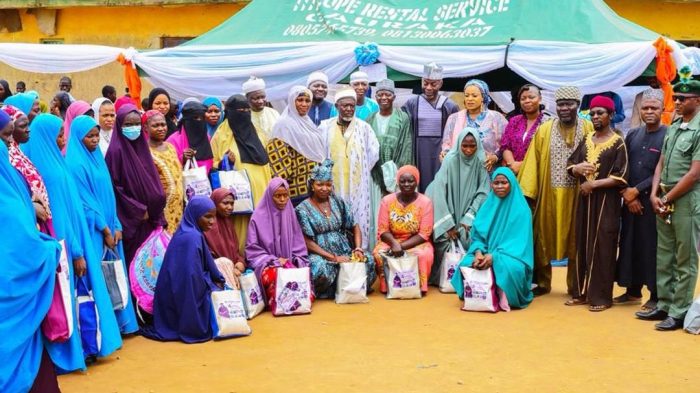
The Hina Gana Foundation has distributed birth kits to over 100 indigent pregnant women in Gauraka, Niger State, as part of efforts to reduce maternal and child mortality among vulnerable women in underserved communities.
The intervention was carried out during the fourth edition of the foundation’s annual Birth A Child outreach programme, which also featured vocational empowerment and start-up support for 50 widows.
Founder and Chief Executive Officer of the foundation, Hadiza Mohammed, said the initiative was inspired by her traumatic experience witnessing a woman die during childbirth due to lack of basic delivery materials. “There were no gloves, no pads, no delivery kit, nothing. I watched a woman die trying to give birth, and I told myself no woman deserves to die while giving life,” she said.
According to her, the outreach was established to support women who cannot afford the essentials required for safe childbirth. “We deliberately target indigent pregnant women, those who genuinely cannot provide these materials for themselves. These are women for whom even the most basic delivery items remain out of reach,” Mohammed said.
She explained that the programme, initially implemented across the six Area Councils of the Federal Capital Territory, was expanded to Gauraka following appeals from community leaders over worsening maternal health challenges in the area. “We were contacted by the district leadership here regarding the condition of women in this community. The need is overwhelming, and we had to respond,” she added.
Mohammed stressed that poverty remains a major driver of preventable maternal deaths in rural communities, noting that many women still approach childbirth without the resources needed for safe delivery. “Giving birth is one of the riskiest things a woman can do when basic support systems are absent. Government must treat maternal health with greater urgency,” she said.
She called for improved public investment in maternal healthcare, expanded social protection systems and increased access to reproductive health and family planning services for low-income women.
The traditional ruler of Gauraka, who spoke at the event, commended the foundation for the intervention, saying many women in the community routinely face childbirth under dangerous conditions because of poverty.
“Many pregnant women here suffer because they have nothing prepared for delivery. Sometimes it is the smallest things that lead to tragedy,” he said. He urged public office holders and privileged Nigerians to emulate the foundation’s intervention by investing more in maternal healthcare support for rural women.
Clinical psychologist and founder of Gairlity Foundation, Simbiat Nathalie Folorunsho, also praised the initiative, describing it as a timely response to Nigeria’s maternal health crisis. “Nigeria accounts for about 25 per cent of maternal deaths globally. Interventions like this are not optional, they are necessary,” she said.
Folorunsho noted that the inclusion of vocational training and start-up support for widows reflected a sustainable empowerment model. “You teach people how to fish, not just give them fish. The fish will finish, but the skill remains,” she said.
Beneficiaries of the programme expressed gratitude for the support, describing the birth kits as critical relief amid worsening economic hardship. One of the recipients, Aisha Suleiman, said the intervention had eased her fears about childbirth. “I had nothing prepared before now. This support has removed a huge burden from me. I am no longer afraid,” she said.
Nigeria remains among countries with the highest maternal mortality burden globally, with experts attributing many preventable deaths to poverty, delayed care, poor birth preparedness and inadequate access to essential maternal supplies.
Mohammed said the foundation plans to expand the initiative further in subsequent editions to reach more vulnerable women across underserved communities.
