 Follow Us on Google News
 Follow Us on Google Discover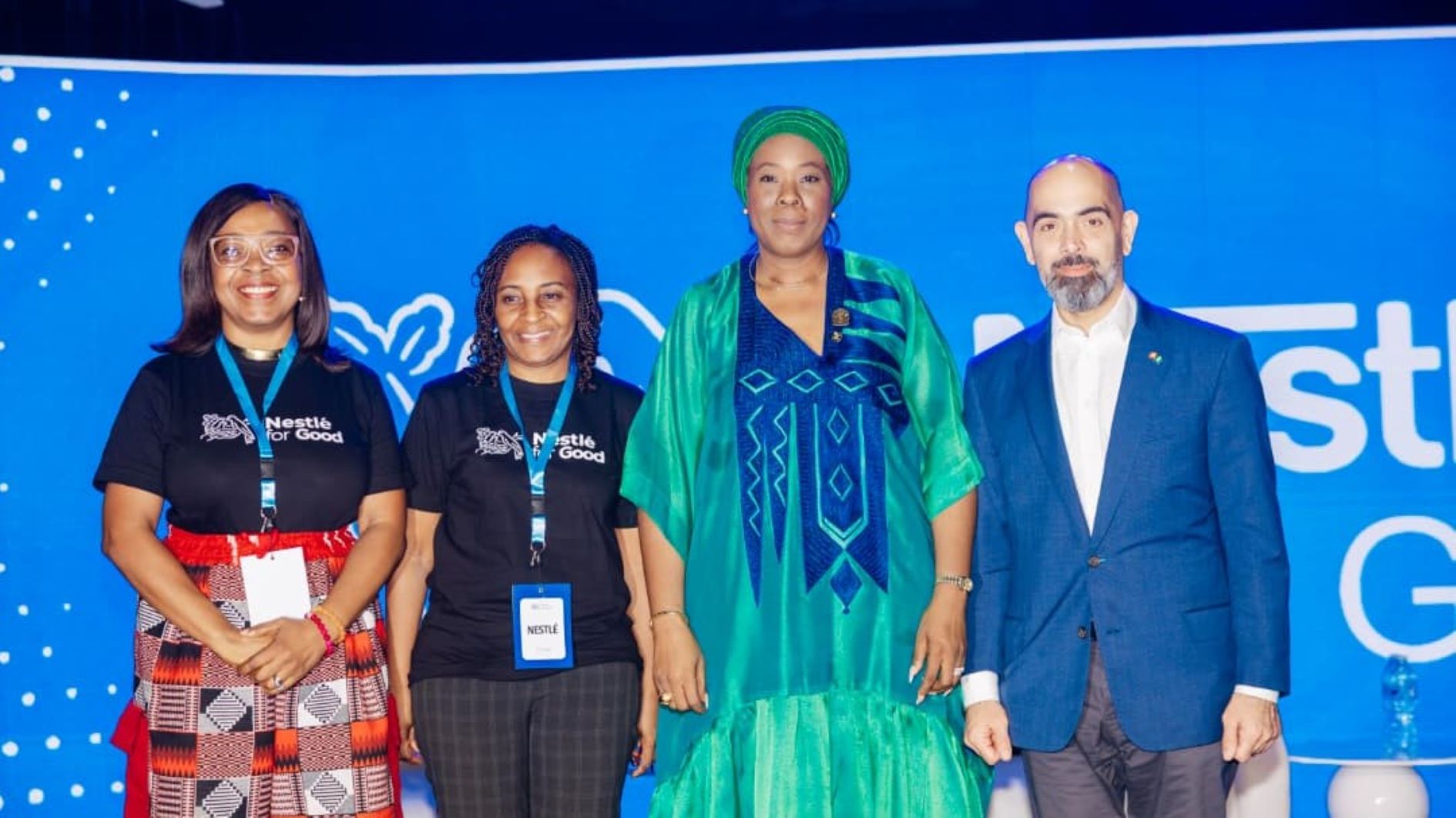
Stakeholders has emphasised the need to advance practical and collaborative solutions to improve nutrition outcomes, strengthen communities and support more sustainable food systems in Nigeria.
They made the call at the Nestlé for Good Summit 2026 held in Lagos, which had in attendance, government representatives, healthcare professionals, development partners, academia, industry leaders, civil society organisations and the media.
At a time when Nigeria continues to navigate evolving nutrition, public health, and food system challenges, the Summit provided a timely forum for cross-sector dialogue on how to drive meaningful and scalable impact.
Held in Lagos, the Summit also had key stakeholders including the Honourable Commissioner for Commerce, Cooperatives, Trade and Investment, Lagos State, Mrs. Folashade Bada Ambrose-Medebem, and th Commissioner for Health, Prof. Akin Abayomi, alongside leaders from development organisations, public health institutions, and the private sector.
The discussions centered on practical pathways to improving nutrition across the life stages, strengthening local food systems, and building more resilient communities.
Participants explored the role of partnerships in addressing interconnected challenges spanning nutrition, livelihoods, and environmental sustainability.

Speaking at the event, the Managing Director and Chief Executive Officer of Nestlé Nigeria PLC, Wassim Elhusseini, said the Summit reflects Nestlé’s long-standing belief that creating shared value is fundamental to how the company operates.
“At Nestlé, we are guided by a simple but powerful purpose: to unlock the power of food to enhance quality of life for everyone, today and for generations to come. Delivering good food consistently and at scale depends on strong systems across the value chain — from responsible sourcing and manufacturing to distribution, livelihoods, capability development, and environmental sustainability,” he said.
He added that Nestlé for Good provides a clearer, more connected expression of how the company delivers impact across Nutrition, Thriving Communities, and the Planet.
In her keynote address, the Commissioner for Commerce, Cooperatives, Trade and Investment, Mrs. Folashade Bada Ambrose-Medebem, commended Nestlé Nigeria for convening stakeholders around issues critical to both public wellbeing and economic development.
“The conversations we are having today are not only about food. They are about human capital, productivity, public health, economic growth, and ultimately, the future of our society,” she said.
She also underscored the importance of sustained collaboration across government, industry, development institutions, and communities in delivering improved nutrition outcomes at scale.
Providing further perspective on the company’s approach, the Corporate Communications, Public Affairs and Sustainability Lead at Nestlé Nigeria, Victoria Uwadoka, noted that the platform helps bring together the full scope of Nestlé’s impact.
“Nestlé for Good is not simply about showcasing individual initiatives. It is about demonstrating how our products, sourcing, partnerships, and community investments connect in practical ways to support healthier lives and more resilient communities,” she said.
Also speaking, Head of Corporate Communications, Public Affairs and Sustainability for Central and West Africa, Patricia Ekaba, highlighted the importance of long-term, system-focused thinking.
“Sustainable progress requires looking beyond short-term interventions. Business growth and social progress are interconnected, and lasting impact comes from creating value for both the business and the communities it serves,” she said.
A key feature of the Summit was an impact showcase, where participants engaged with real stories of beneficiaries connected to Nestlé’s initiatives in women empowerment, youth capability development, dairy development, and environmental sustainability.
These stories illustrated how targeted interventions across the value chain are contributing to improved livelihoods, stronger communities, and more sustainable practices.
The Summit also provided an opportunity for stakeholders to experience how Nestlé’s products and initiatives contribute to nutrition, livelihoods, and sustainability across different stages of the food system.
The Nestlé for Good Summit marks an important step in deepening dialogue and strengthening partnerships that can translate into measurable progress.
As Nigeria continues to address complex nutrition and development challenges, Nestlé Nigeria remains committed to working collaboratively with stakeholders to drive practical solutions that improve quality of life at scale.

