

 Get Guardian on Google
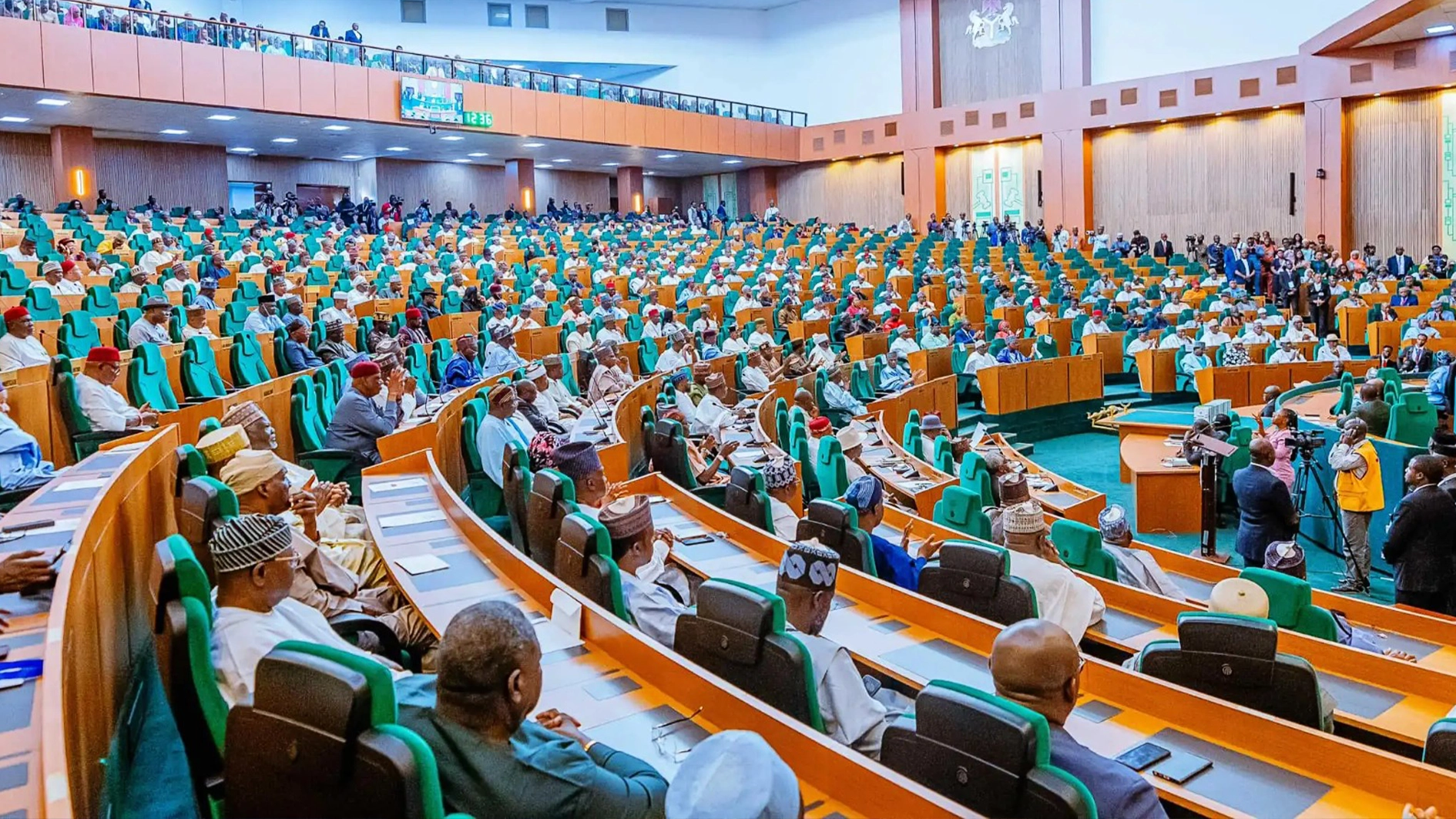
The House of Representatives has raised concerns over the alleged diversion of nearly N2 trillion in government-backed agricultural loans to acquire properties in Nigeria and Dubai.
The lawmakers expressed concern that beneficiaries of the intervention schemes allegedly diverted funds meant to support farming into real estate and other businesses.
The concerns followed deliberations on a motion seeking a Federal Government waiver of outstanding agricultural loans owed by farmers under government-supported financing schemes.
The motion, sponsored by Rep. Inuwa Garba, called for debt relief to ease the financial burden on farmers facing rising production costs, insecurity, climate-related challenges and other difficulties.
Garba argued that agriculture remained a major pillar of Nigeria’s economy, providing livelihoods for millions of people and supporting national food security.
He noted that successive administrations had introduced financing initiatives, including the Anchor Borrowers’ Programme, Commercial Agriculture Credit Scheme and NIRSAL-supported facilities, to increase agricultural production.
However, he said rising costs of fertilisers, improved seeds, pesticides, machinery, transportation and labour had placed enormous pressure on farmers.
He also identified banditry, insurgency, farmer-herder clashes, flooding, drought, pest infestations and poor irrigation infrastructure as major obstacles to agricultural productivity.
According to him, these challenges had caused crop failures, reduced farm incomes and made it difficult for many beneficiaries to repay their loans.
Garba maintained that some farmers defaulted because of circumstances beyond their control rather than unwillingness to meet their financial obligations.
He warned that continued enforcement of outstanding debts, including accumulated interest and penalties, could worsen farmers’ economic difficulties.
The lawmaker therefore urged the Federal Government to cancel outstanding agricultural loans owed by eligible beneficiaries under its various intervention programmes.
However,Chairman of the House Committee on Public Accounts, Rep. Bamidele Salam, opposed a blanket waiver, citing alleged widespread abuse of the facilities.
Salam said findings from the Auditor-General of the Federation showed that beneficiaries had diverted about N1.1 trillion disbursed under the Central Bank of Nigeria’s Anchor Borrowers’ Programme.
He alleged that some beneficiaries used the funds to acquire properties in Abuja, Lagos and Dubai instead of investing in agriculture.
“People came, approached the CBN or their money deposit banks, and obtained loans for the purpose of farming, but diverted those monies into some other area of business endeavour, buying real estate in Abuja, in Lagos, some in Dubai,” he said.
The Osun lawmaker also lamented the condition of the Bank of Agriculture, which he said had become virtually moribund following the diversion of N795 billion in loans.
He said beneficiaries had failed to use the facilities for their intended purposes, undermining the bank’s mandate to provide financial support to farmers.
“The Bank of Agriculture, which unfortunately was set up as that special purpose vehicle for supporting farmers, has today become virtually moribund as a result of a sum of N795 billion borrowed and paid back by persons, most of whom diverted that money into other purposes,” Salam said.
He warned that approving a blanket waiver without investigating the alleged diversion would encourage further abuse of public funds.
The lawmaker proposed an investigative process to establish how beneficiaries utilised the loans before the House considers any debt relief.
“If we then come as a parliament and recommend a holistic waiving of all loans given out to persons who are purportedly to be farmers, we will be setting a very, very dangerous precedent,” he said.
Salam urged the House to establish the circumstances surrounding the loans and determine which beneficiaries deserved government support.
Similarly, Deputy Chief Whip, Ayokunle Isiaka, described the motion as worthy of consideration but rejected its proposed blanket approach.
Isiaka said some beneficiaries might have diverted agricultural loans to acquire houses, purchase properties or finance unrelated businesses.
However, he acknowledged that genuine farmers could have suffered losses from unforeseen circumstances, including natural disasters and other agricultural emergencies.
He called for an investigation to distinguish genuine farmers who suffered legitimate losses from those who deliberately diverted public funds.
“We must ensure that those who truly deserve government support are not disadvantaged because of the actions of individuals who abused the programme,” the Ogun lawmaker said.
Isiaka also recommended the involvement of the Ministries of Agriculture and Food Security and Finance, the CBN and the Bank of Agriculture in developing a framework to address the problem.
He said such an arrangement would help ensure that future agricultural facilities reach qualified beneficiaries and serve their intended purposes.
Also opposing the proposed waiver, Rep. Awaji-Inombek Dagomie Abiante said the alleged diversion of agricultural intervention funds required serious attention from the House.
Abiante cited audit findings presented by the Public Accounts Committee, which he said had raised questions involving nearly N2 trillion across agricultural financing programmes.
He argued that the reported figures might represent only part of the problem, given the scope of the Auditor-General’s findings.
The lawmaker also questioned the rationale for forgiving all beneficiaries without establishing whether they had used the funds appropriately.
He drew attention to the Nigerian Agricultural Insurance Corporation, which provides protection against certain risks and losses associated with farming.
Abiante maintained that the House should not approve a general debt cancellation without examining the circumstances surrounding the loans.
Meanwhile, Chairman of the House Ad-hoc Committee investigating agricultural loans, Rep. Aminu Jamo, disclosed that the panel had concluded its assignment.
Jamo informed lawmakers that the committee had completed its investigation and was ready to submit its report.
He also confirmed that the investigation covered the aggregate agricultural loans under consideration, prompting Speaker Abbas Tajudeen to seek clarification on whether it addressed the issues raised in Garba’s motion.
Following the clarification, Tajudeen suspended further debate until Tuesday, when the committee is expected to present its findings.
The Speaker said the House should first examine the existing report rather than duplicate an investigation already concluded by another committee.
“Rather than duplicating what has already been done, let’s give them the benefit of doubt. Let’s receive the report,” Tajudeen said.
He added that if the report addressed the issues raised in the motion, the House could adopt its recommendations.
Otherwise, lawmakers would resume debate on the proposed agricultural loan waiver on Tuesday.







