 Follow Us on Google News
 Follow Us on Google Discover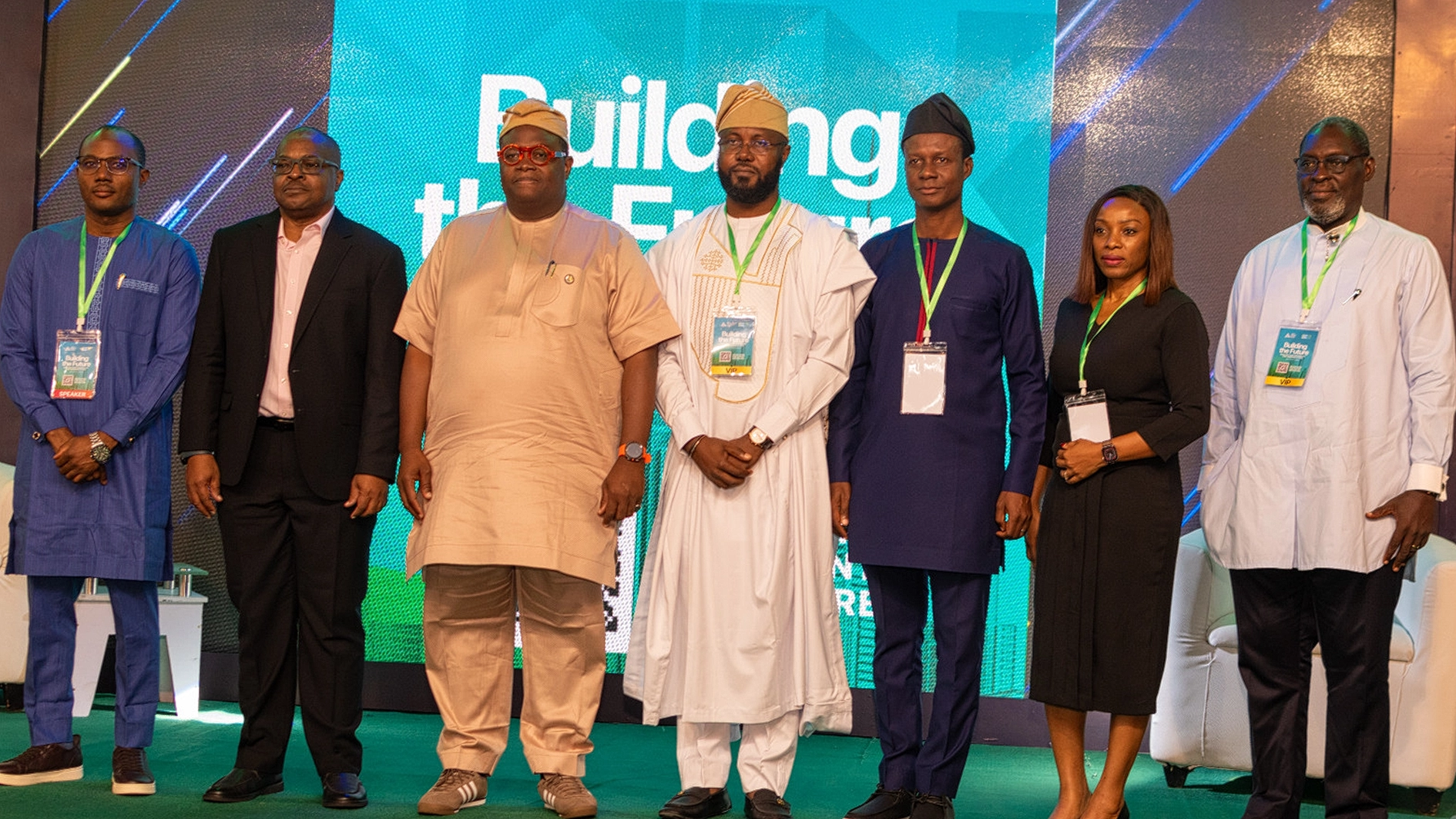
Experts in the built environment have called for accelerated adoption of sustainable construction practices, resilient infrastructure and innovative financing models to help Nigerian and African cities better withstand climate change while meeting the demands of rapid urbanisation.
The call was made at this year’s Future Cities Summit organised by Green Building Council Nigeria (GBCN) in Lagos, which brought together policymakers, city leaders, investors, developers, industry practitioners and development partners to identify practical solutions for building sustainable and climate-resilient cities.
Discussions centred on strengthening policies, institutions and integrated urban systems capable of addressing climate risks, infrastructure deficits, housing shortages, urban mobility and the delivery of essential public services. Participants also explored strategies for promoting energy-efficient buildings, circular resource use, emerging technologies and investment models that can accelerate sustainable urban development while delivering environmental, social and economic benefits.
Speaking at the opening session, President of the GBCN, Danjuma Waniko, said the summit was designed to move beyond conversations on sustainability by identifying practical pathways for scaling solutions that can transform cities.
According to him, sustainability initiatives are already underway across government, academia, the private sector, financial institutions, professional bodies and communities, but many remain fragmented and insufficiently coordinated to deliver meaningful impact.
“The challenge is not that nothing is happening,” Waniko said. “The question is how we intentionally connect these efforts, make them more visible and create the conditions for them to reinforce one another.”

He said the summit would examine how sustainability can be embedded in urban planning, financing, regulation, construction and city management rather than being limited to isolated projects.
Drawing from the Green Building Council Nigeria’s work on the National Decarbonisation and Resilience Roadmap, Waniko noted that the two-day summit would also examine why years of climate policies, conferences and pilot projects have yet to deliver change at the scale required.
He expressed optimism that the deliberations would identify barriers to progress, showcase successful initiatives and strengthen collaboration among policymakers, developers, financiers, researchers, innovators and communities to accelerate sustainable urban development across Africa.
Meanwhile, the Lagos State Government reiterated its commitment to building resilient infrastructure, expanding sustainable transport systems and integrating green building standards into urban development to address the challenges of rapid urbanisation and climate change.
Speaking at the event, Governor Babajide Sanwo-Olu, said the state is prioritising integrated planning, climate resilience and sustainable infrastructure to secure the future of Africa’s largest city.
Delivering the keynote address, titled “Lagos at Scale: Governing Growth, Infrastructure and Climate Risk in Africa’s Largest City,” through his Senior Special Assistant on Urban Development, Oluwasegun Williams, the governor described Lagos as Africa’s fastest-growing urban economy.
He noted that while population growth presents enormous opportunities, it also places increasing pressure on transportation, housing, healthcare, education, energy, water supply, waste management and the natural environment.
He said the challenge is not whether Lagos will continue to grow, but how to ensure that growth remains inclusive, environmentally responsible, climate-resilient and economically sustainable.
Sanwo-Olu disclosed that the Lagos Blue Line Rail transported more than 3.5 million passengers in 2025, while work is ongoing to extend the corridor to Okokomaiko. He added that the 37-kilometre Red Line Rail connecting Agbado and Oyingbo is already moving thousands of commuters daily, with additional train sets deployed to boost capacity.
He also highlighted the OMI EKO Project, a sustainable water transport initiative supported by the European Investment Bank, the French Development Agency and other development partners. According to him, the project will introduce electric ferries, modernise jetties and waterways, reduce annual carbon emissions by about 41,000 tonnes and cut travel time from about two hours to less than 45 minutes.
The governor said the state is also expanding affordable housing programmes and deploying digital technologies to streamline planning approvals and improve public service delivery.
On climate adaptation, Sanwo-Olu observed that Lagos, as a low-lying coastal city, is already experiencing the effects of sea level rise, flooding and extreme heat. He said the state has developed the Lagos Climate Adaptation and Resilience Plan, unveiled alongside its Climate Action Plan at COP28, with a target of achieving net-zero emissions by 2050.
He disclosed that more than 40 critical drainage channels have been upgraded, while continuous desilting and implementation of a stormwater drainage master plan are helping to protect over one million residents vulnerable to flooding.
According to him, sustainability is increasingly being integrated into Lagos’ planning regulations through stronger environmental standards and green building provisions. He added that the state is transitioning its public transport fleet to electric and compressed natural gas (CNG)-powered vehicles while investing in urban greening, tree planting, renewable energy, recycling and waste-to-energy projects.
Sanwo-Olu said the investments are aimed not only at delivering critical infrastructure but also at creating jobs, stimulating innovation and strengthening Lagos’ competitiveness as a destination for green investment.
He described the Future Cities Summit as an important platform for attracting investors, development finance institutions, technology firms and international partners interested in sustainable infrastructure development.
Commending the Green Building Council Nigeria for championing sustainable construction and higher standards across the built environment, the governor said the summit’s deliberations would contribute to the development of the National Decarbonisation and Resilience Roadmap for Nigeria’s building and construction sector.
“Lagos State stands ready to support this roadmap because green buildings are no longer optional; they are essential,” he said, stressing that energy-efficient buildings, smart urban planning, renewable energy integration and climate-smart infrastructure are critical to improving public health, reducing long-term costs and enhancing quality of life.
He called for stronger collaboration among governments, the private sector, professional bodies, academia and development partners to translate policy discussions into practical, scalable and bankable solutions capable of transforming cities across Nigeria and the African continent.

