 Follow Us on Google News
 Follow Us on Google Discover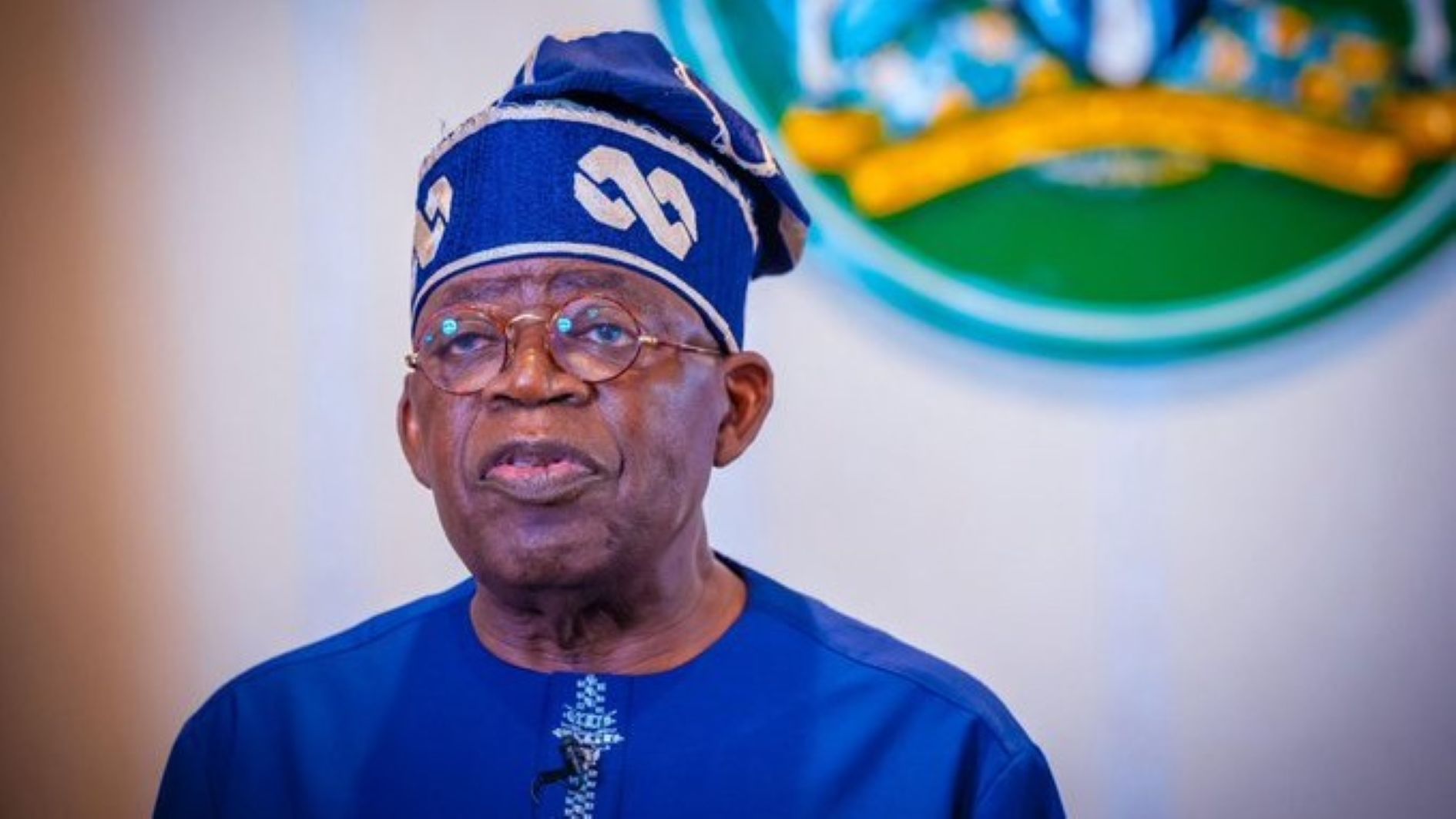
The Minister of Information and National Orientation, Mohammed Idris, has said President Bola Ahmed Tinubu listens to Nigerians and considers their feedback before adjusting government policies where necessary.
Idris spoke in Abuja on Tuesday, when a delegation from the National Institute for Policy and Strategic Studies (NIPSS), led by its Director-General, Prof. Ayo Omotayo, paid a courtesy visit to the ministry.
He said the Ministry of Information and National Orientation was not merely responsible for communicating government policies but also for taking the views of citizens back to the administration.
According to Idris, the approach reflects Tinubu’s willingness to listen to Nigerians and respond to their concerns as his administration implements its policies.
“When I sit with him, the first question he asks is: ‘What are Nigerians saying?'” the minister said.
He explained that the President’s interest in public opinion meant that governance remained an evolving process, with room for adjustments when circumstances demanded them.

“He’s not just a president that dishes out information or reads out policy pronouncements. He also asks what Nigerians think,” Idris added.
The minister said his ministry therefore operated a two-way communication system, conveying government decisions to the people while bringing their views back to government.
According to him, the renewed focus on national orientation had also strengthened the government’s ability to understand public sentiment at the grassroots.
Idris noted that the National Orientation Agency (NOA) had more than 800 offices across the country, giving it a broad reach into communities.
He said the agency could gather views from farmers, artisans and other Nigerians, providing government with a clearer picture of the concerns and expectations of citizens.
The minister also assured the NIPSS delegation that the ministry would support its research into the creative economy, which forms the focus of the institute’s Senior Executive Course 48.
The former Minister of Information, Culture and Tourism, Alhaji Lai Mohammed, was also in attendance.
Earlier, Omotayo said NIPSS had selected the creative economy, known as the “Orange Economy”, as the theme for this year’s senior executive course.
He said the research would examine the opportunities and challenges within the sector and its potential contribution to President Tinubu’s ambition of building a trillion-dollar economy.
Omotayo noted that the course participants had visited seven Nigerian states and several countries to study creative industries and gather data for the research.
He disclosed that NIPSS was also planning a National Summit and Exhibition on the Orange Economy to bring stakeholders together and highlight the sector’s potential.
According to him, the creative economy covers about 48 areas and has significant capacity to generate wealth and employment.
He cited Nigeria’s music industry as an example, noting that some Nigerian artistes had earned billions of naira through digital music platforms.
“We believe this particular sector can actually be one of the major sectors of the economy that will solve the problem of real unemployment,” Omotayo said.
He appealed to the Ministry of Information and National Orientation to partner with NIPSS in organising and promoting the proposed summit.
Omotayo said the institute’s objective was to ensure that Nigerians began to take the creative economy more seriously and recognise its potential as a major driver of national development.

