
 Get Guardian on Google
Lagos State Government has said that it is targeting 19 Compressed Natural Gas (CNG) stations by the first quarter of 2027, as it intensifies efforts to expand alternative fuel infrastructure and strengthen energy supply across the state.
The state’s Commissioner for Energy and Mineral Resources, Biodun Ogunleye, who disclosed this ahead of the Lagos Energy Summit 2026 at a media briefing in Lagos yesterday, said that the state was also negotiating with the Federal Government to secure greater control of its energy infrastructure.
He said discussions between both tiers of government were ongoing, although some issues were yet to be resolved.
Ogunleye said the state was working to end what he described as a culture of dysfunction in energy provision, stressing that the challenges require collective action by government, investors, regulators, engineers, academics and citizens.
He said the summit, scheduled for November 10-12, 2026, themed “Lagos Energy Evolution, Transforming the Future,” would address issues across the energy value chain, including electricity supply, renewable energy, metering, affordability and alternative transportation fuels.
According to him, the state would use the gathering to showcase its progress in the electricity sector and provide an opportunity for other states to learn.

He added that discussions on electricity tariffs would address the need to balance affordability for consumers with cost recovery for investors, noting that tariffs must be sustainable enough to attract and retain investment in the market.
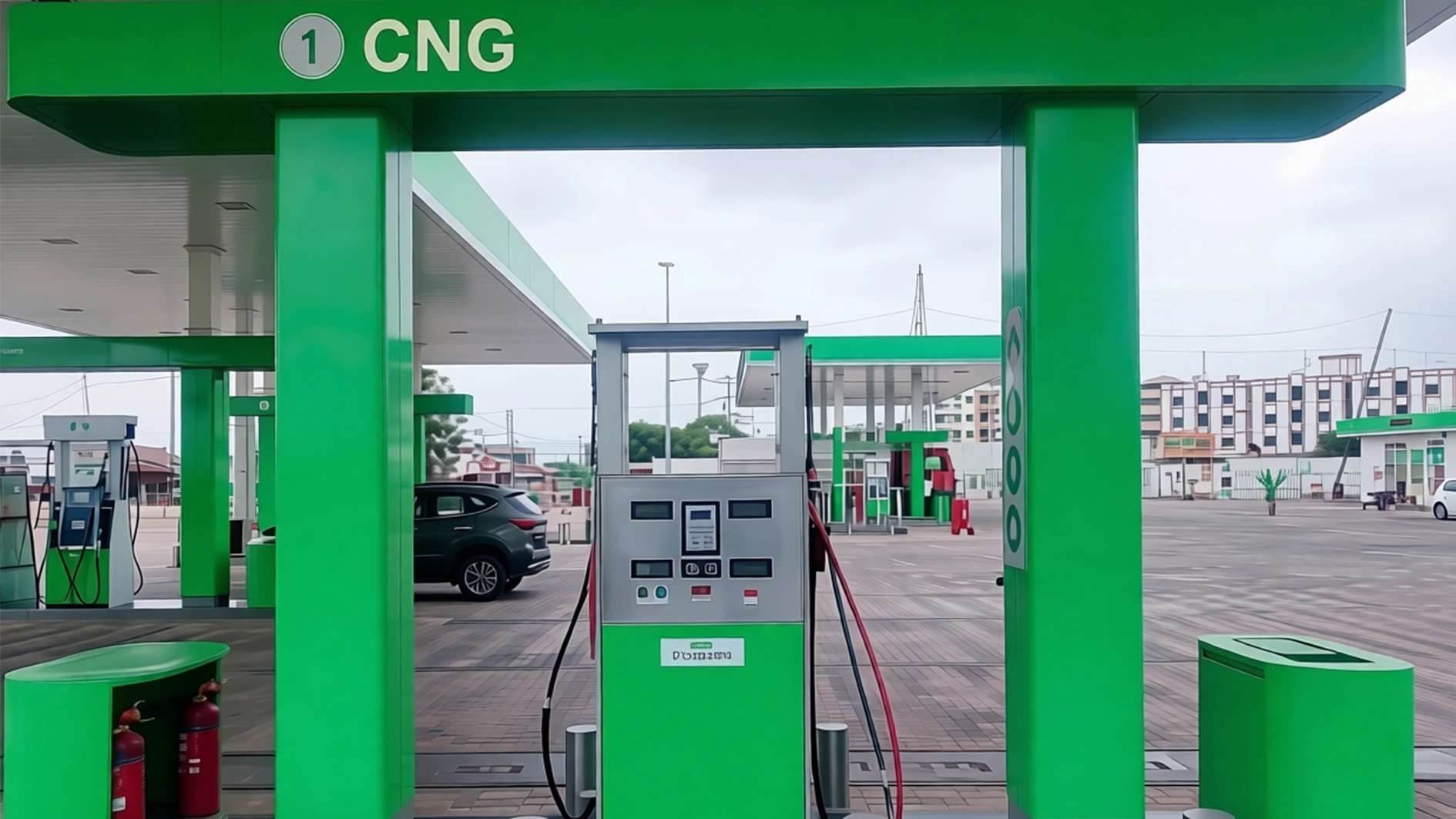
Managing Director of Ibile Oil and Gas Company (IOGC), Tayo Gbajumo, who spoke on the expansion of alternative fuel infrastructure, said the state currently had three operational CNG stations, with plans to increase the number to 19 by the first quarter of 2027.
Gbajumo said the expansion, being undertaken in collaboration with the ministry, was aimed at addressing queues at existing stations and making CNG more accessible across Lagos.
He said the company planned to establish an additional 10 stations by the first quarter of 2028 to extend the network to more locations across the state.
Gbajumo said vehicle conversion currently costs between N700,000 and N1 million, depending on the equipment and standards adopted, but maintained that the savings on fuel costs made the alternative attractive to motorists.
He, however, expressed concern that transport operators had yet to translate the savings from CNG adoption into reduced fares for commuters, urging regulators to engage operators on the need to lower transportation costs.
Earlier, the Permanent Secretary in the ministry, Ibilola Kasumu, said the summit was designed to move beyond discussions and produce practical solutions to electricity challenges.
She said the gathering would bring together stakeholders across the electricity value chain, including generation, distribution, regulation and supply, to develop a framework for achieving stable, round-the-clock electricity.