 Get Guardian on Google
The first person who offered to support my education was my primary six teacher. She told my mum that she wanted to pay for my First School Leaving Certificate examinations. She did not give it any glamorous name. There was no scholarship announcement or award ceremony. She simply offered to pay. I still do not know her reason or what she saw in me at that age, but I have never forgotten it.
When I think about my academic journey, I usually start with the Federal University of Technology, Owerri, where I studied Microbiology. But sometimes, I wonder whether the journey began much earlier, with that teacher and her willingness to invest in my education.
Studying abroad was not part of my original plan. Even while I was at FUTO, I did not have everything mapped out. What I knew was that I wanted more out of my degree certificate and more out of life generally. Over time, research began to give that desire a direction. During my undergraduate research project, my supervisor, Dr Robert Obi, made me the group leader of the four students he supervised. We investigated the “Seroprevalence of herpes simplex virus among healthy, asymptomatic students at Federal University of Technology”. It was a lot of work, but I loved the experience. I coordinated activities ranging from preparing questionnaires and organising sample collection to ordering kits and carrying out the experiments. Our supervisor wanted us to do actual research and gain hands-on experience, and he made sure we took the process seriously. That project gave me an early understanding of what research demands. There were people to coordinate, materials to source and procedures to follow carefully. I enjoyed having that responsibility.
The vision of studying abroad became clearer in 2020, when I met and began working with Dr Linda Iheme. Alongside my interest in science, I have always had a natural flair for writing, a skill I have developed professionally over the years. I worked with Dr Iheme as a content writer. At the time, she was living and studying in Canada on a fully funded scholarship. Learning about her journey gave me confidence that I, too, could make something meaningful out of my degree. I decided to build my profile intentionally during my youth service.
My experience during my National Youth Service Corps placement at the Institute of Human Virology Nigeria also helped shape my vision. I was exposed to molecular diagnostics and trained by experts in the field. Working with these techniques deepened my curiosity about the molecular mechanisms of diseases. I wanted to understand what was happening beneath the symptoms: how diseases develop, what changes occur within cells, and how that knowledge could help us diagnose and treat patients. Alongside my role at my primary place of assignment (PPA) with IHVN, I volunteered with Zankli Research Centre – a TB reference laboratory. My goal was to learn as much as I could. And I built a great network of people who could attest to my skills outside academic lecturers.
In early 2023, I received the “Sir Agbomian Odibo Scholarship for Daughters” to study at North Wales Medical School, Bangor University in the UK. It was the first “Yes” that opened the door for many other “Yeses”. By the time I received the scholarship, I was working as a molecular biologist at DemyHealth Abuja. Winning that scholarship took more than one application season. I had received admission offers the previous year, but the funding was not enough to accept the admission.
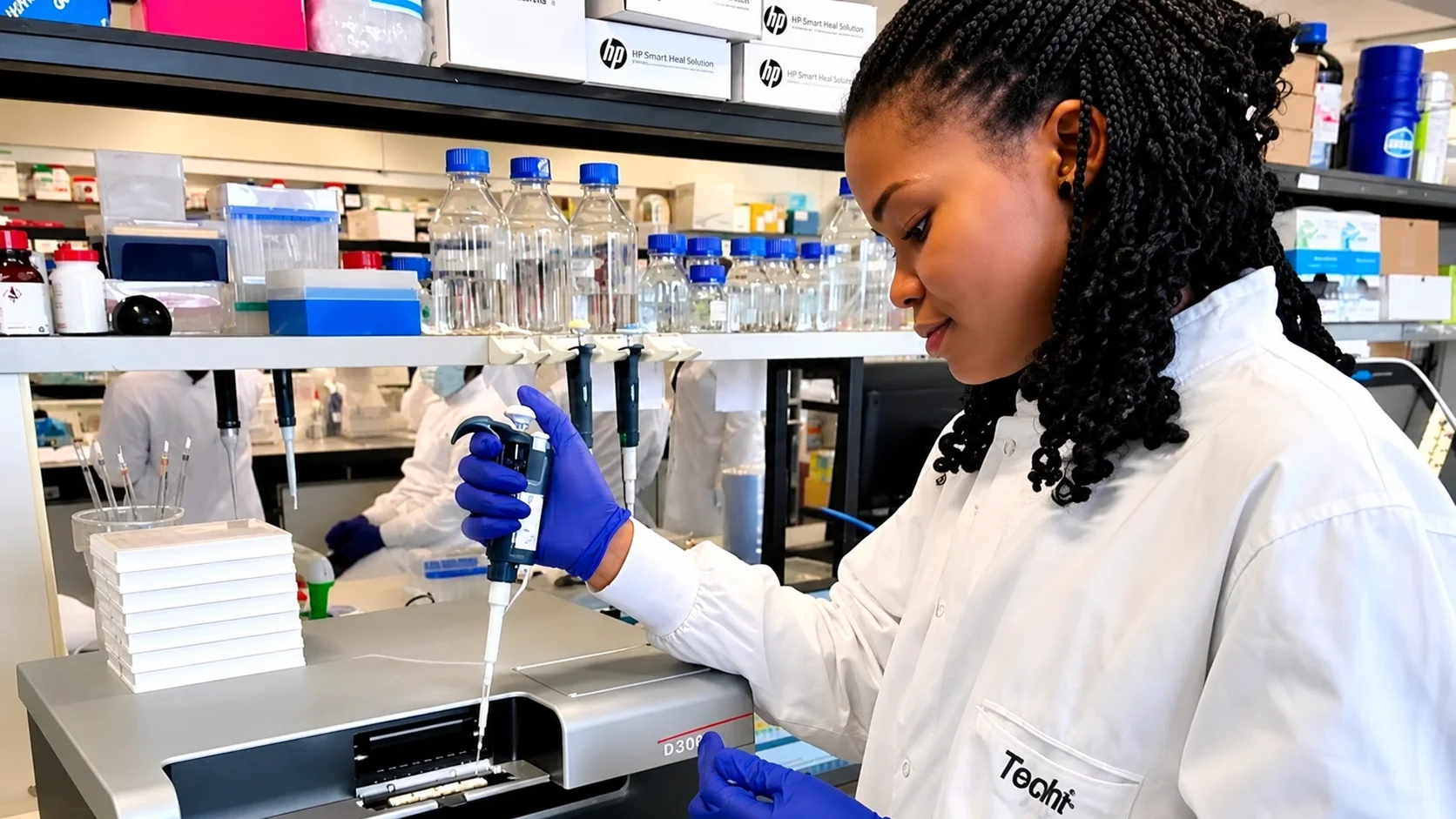
The UK chapter of my life shaped me in more ways than I expected. There was the experience of relocating and settling into a different environment, alongside the demands of studying a highly demanding course – Medical Molecular Biology – within a short period of time. In my project, I examined how Monocarboxylate Transporters can predict sensitivity to Chemotherapy-Resistant Ovarian Cancer Cells. My supervisor, Dr Jonathan Blank, played an important role in developing my skills as a scientist. The program was very demanding, but, like other experiences that had brought me that far, it required tenacity and grit, which I do not think I lack. I graduated with a distinction in December 2024.
Before my convocation, I secured a job with the NHS and a skilled worker visa. I worked for seven months with NHS England when the fully funded PhD opportunity in the United States came. Leaving the UK was one of the toughest decisions I have made so far in my life. I had a job, a route to stability and an opportunity to build a comfortable life in the UK. I deliberated for a long time and asked questions. But I knew deep down that, for my short-term goals, staying in the UK made sense. But when I considered my long-term vision, it felt like accepting the US offer was the next right step. I have always wanted to become a renowned research scientist, and I know that a PhD in Biomedical Sciences would give me the training to work towards that ambition. So, I resigned from the NHS and moved to the United States.
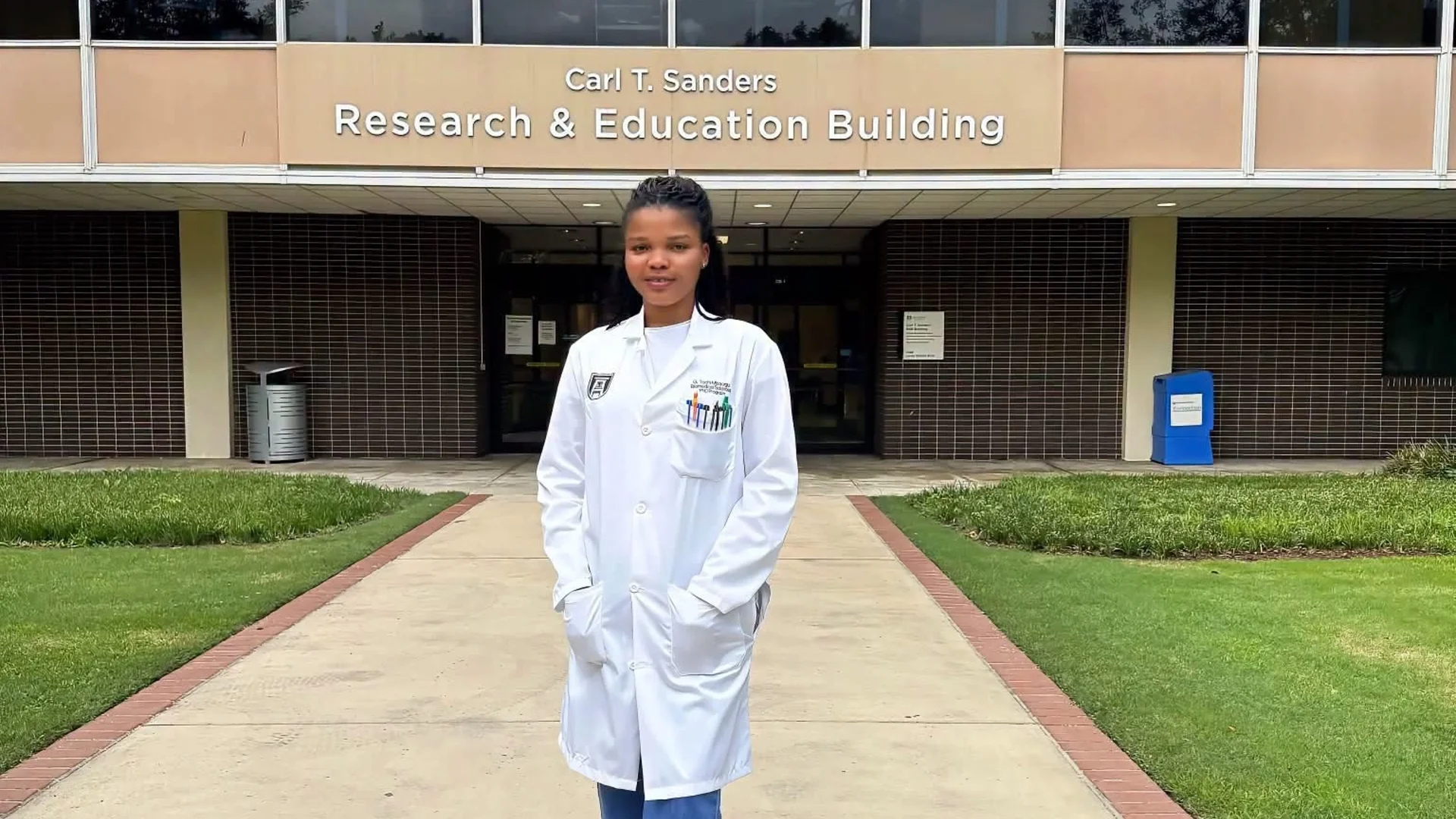
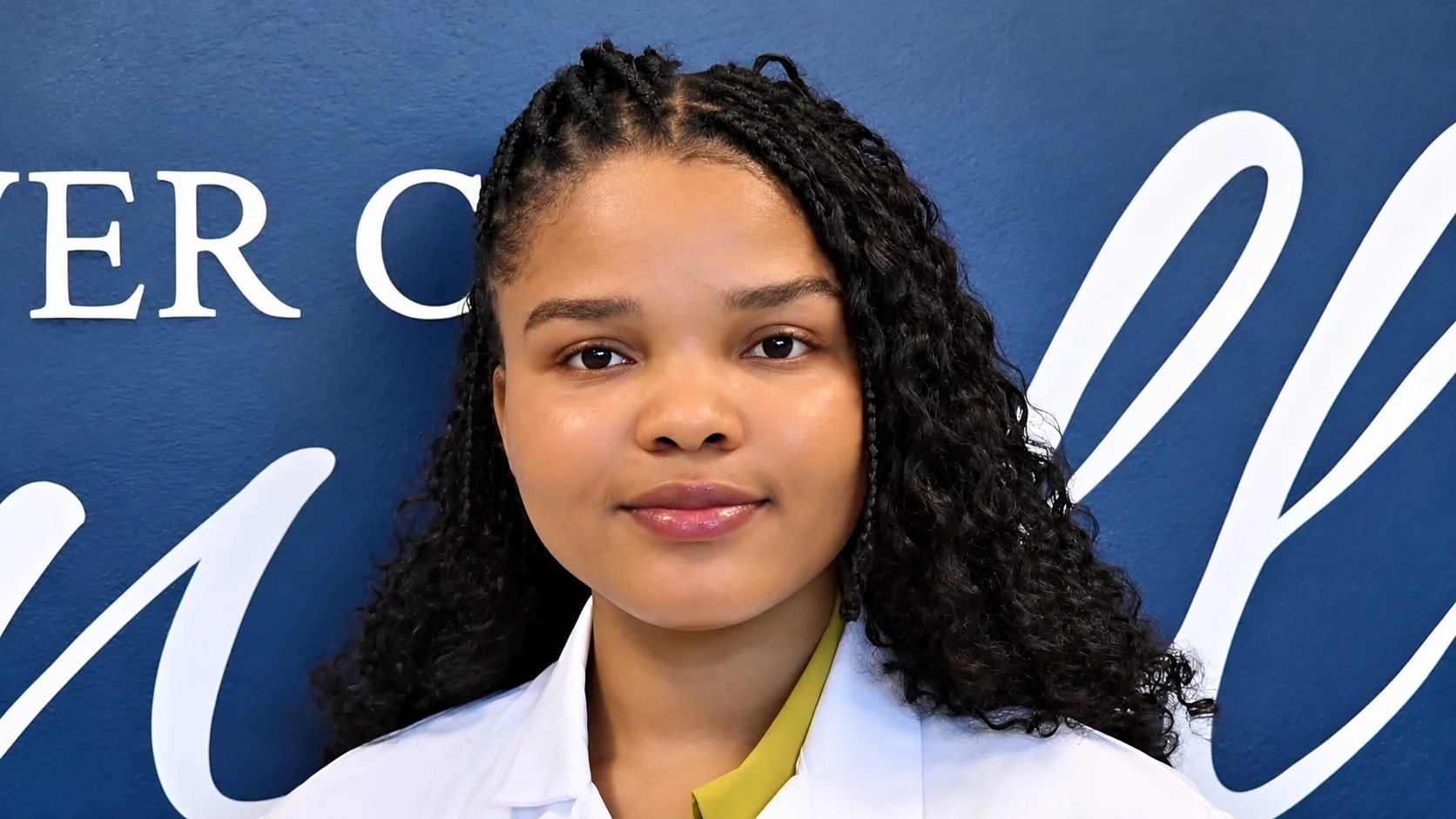
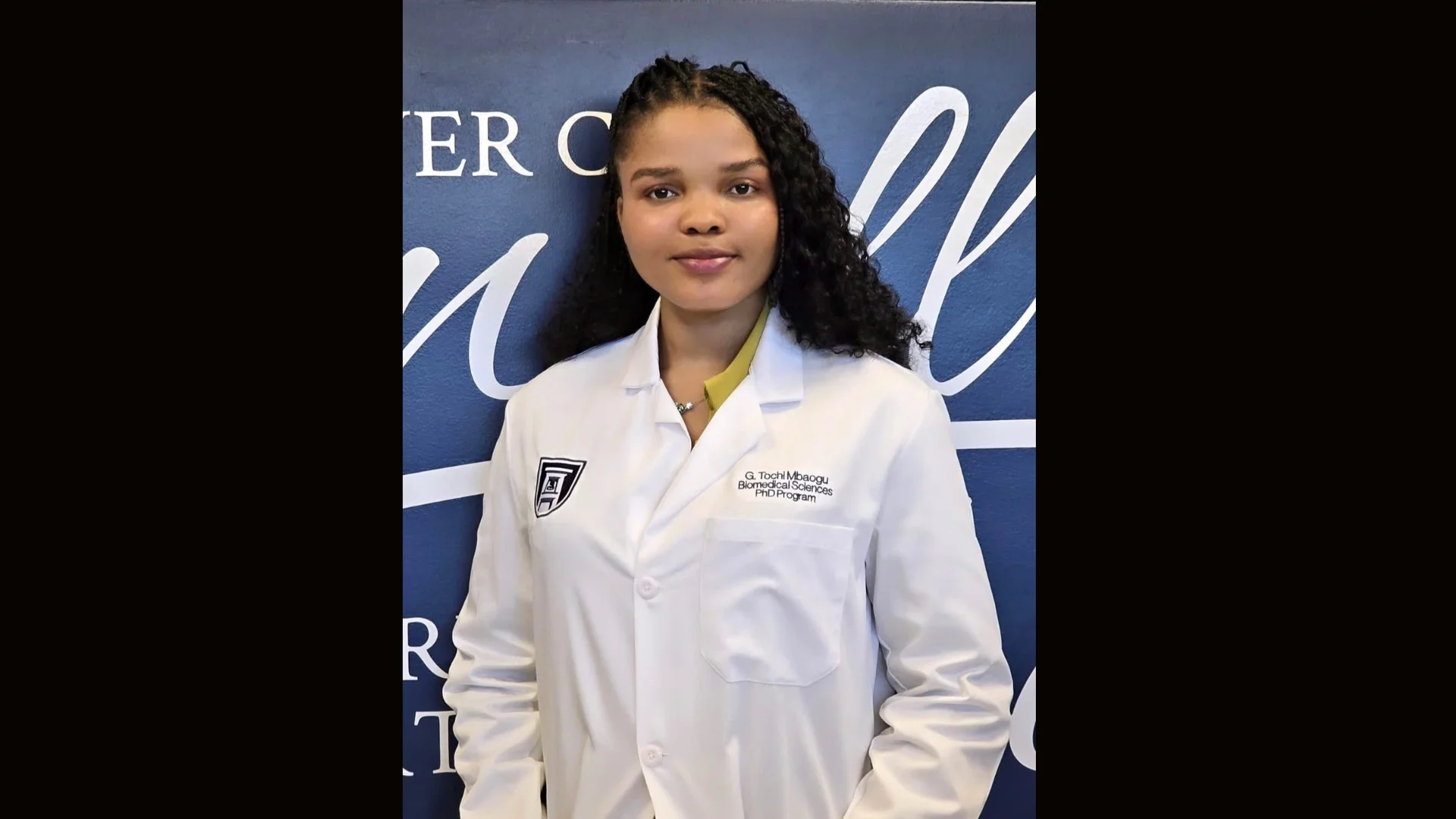
Today, I am pursuing a PhD in Biomedical Sciences at the Medical College of Georgia, Augusta University, working with Dr Jennifer Sullivan’s research group, who is also the Dean of the Graduate School. I am also the Graduate Ambassador representing my college at the university board and the BSA Newsletter editorial Committee. My research investigates how immune cells contribute to hypertension and the molecular mechanisms connecting inflammation with high blood pressure. I also compare these processes between males and females to understand patterns and identify sex differences that could improve diagnosis and treatment.
For the longest time, hypertension has been attributed to cardiovascular events until modern researchers began identifying the role immune cells play in the long-term development of hypertension. As a trainee cardio-immunologist, I look at hypertension as a state of low-grade inflammation where immune cells play a crucial role in the regulation of blood pressure. About 79.1% of hypertensive patients in the US are uncontrolled (according to data from the Centres for Disease Control and Prevention). Through my work, I hope to contribute to knowledge that could support better blood pressure control mechanisms and reduce deaths due to cardiovascular events arising from hypertension.
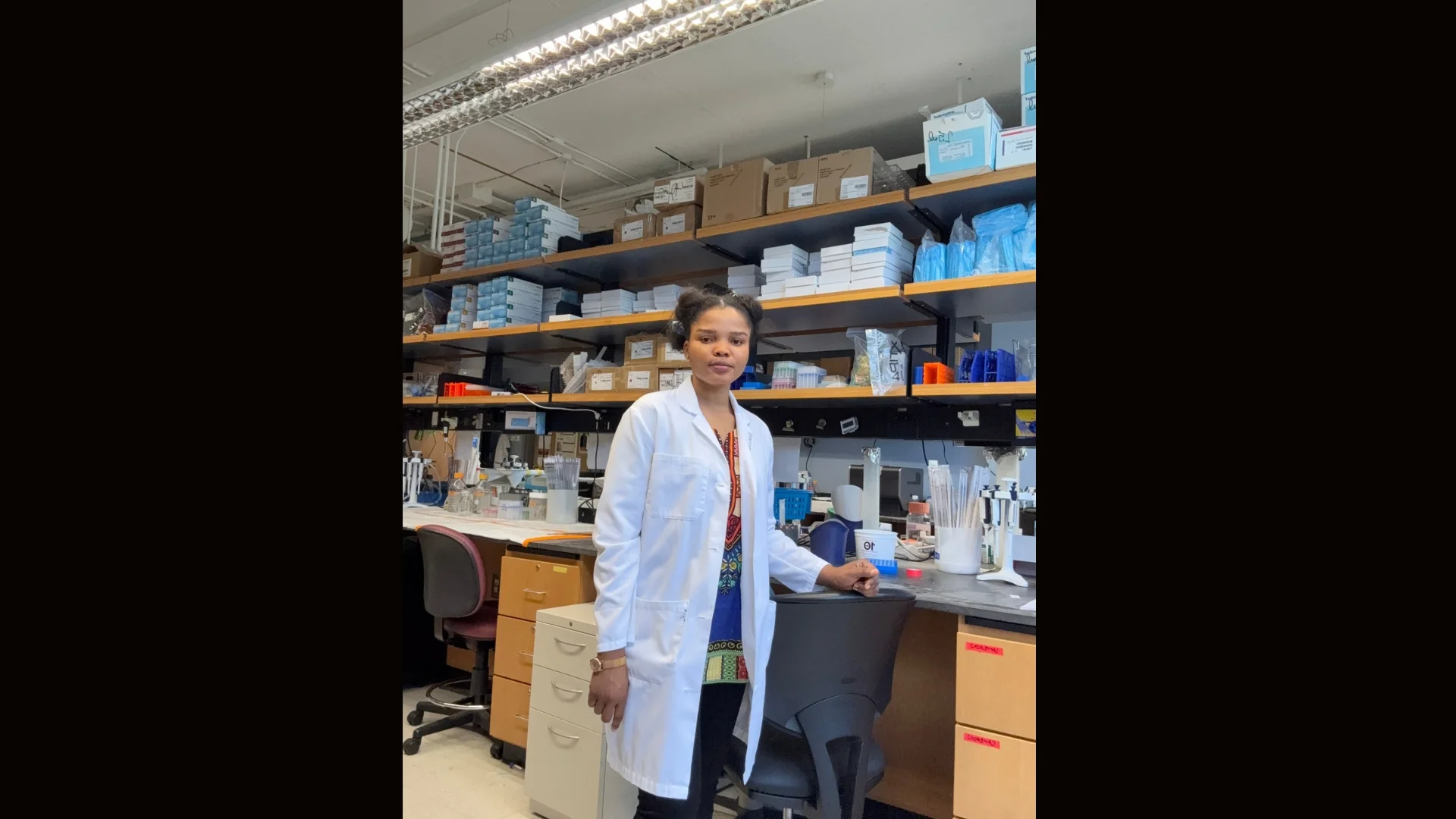
My training has taken me from studying viral exposure among university students to molecular diagnostics, cancer research and now the relationship between immunity and cardiovascular disease. Each stage has added to the way I approach a scientific question. By the end of my PhD, I hope to have become a better scientist – someone whose knowledge and work can contribute meaningfully to research in the United States, to my home country, Nigeria and the society at large.
Tochi Mbaogu is a Graduate Research Assistant and a PhD student at Medical College of Georgia, Augusta University, where I am researching the role of immune cells in hypertension and Acute Kidney Injury (AKI).