 Get Guardian on Google
The Department of Dramatic Arts at Obafemi Awolowo University (OAU), Ile-Ife, is celebrating five decades of shaping African performance, indigenous scholarship and cultural activism.Founded in the mid-1970s at what was then the University of Ife, the department emerged as a hub for African total theatre.
In 1968, the late Professor Ola Rotimifounded the Ori Olokun Acting Company, an experimental repertory theatre troupe under the university’s wing.
The late Rotimi, popularly known for his directing concept of ‘convuliting concourse of variegated actions juxtaposed’ engineered the transition of OAU’s theatrical arts from a research wing into a fully-fledged academic department.
When the university decided to dissolve the Institute of African Studies in 1977, Rotimi personally managed the academic transition. He drew up the initial frameworks for the department’s pioneering programmes, launching the highly successful four-year B.A. degree and the one-year Certificate in Dramatic Arts (CDA) programme, which went on to professionally train nearly 1,000 media and theatre practitioners.
The academic department officially opened in 1977, and Rotimi seamlessly embedded the members of Ori Olokun into the department to serve as a resident company and “performance laboratory.” This exact laboratory collective established by Rotimi survived through the decades and operates today as the famous Awo Varsity Theatre.
A complete man of the theatre (director, designer and choreographer), Rotimi rejected Western proscenium arches that separated actors from the public. Alongside his colleagues, he famously converted a disused hotel into an open-courtyard arts centre with audiences surrounding the stage on three sides.
This experimental philosophy directly influenced the spatial design of OAU’s iconic Pit Theatre, creating an intimate performance hub where crowd choreography and audience interaction thrive seamlessly.
Serving as a Senior Research Fellow at the Institute of African Studies, he physically and programmatically laid the groundwork between 1976 and 1977 for what is now the OAU Department of Dramatic Arts before handing leadership over to Professor Wole Soyinka and proceeded to establish the Department of Theatre Arts at University of Port Harcourt.
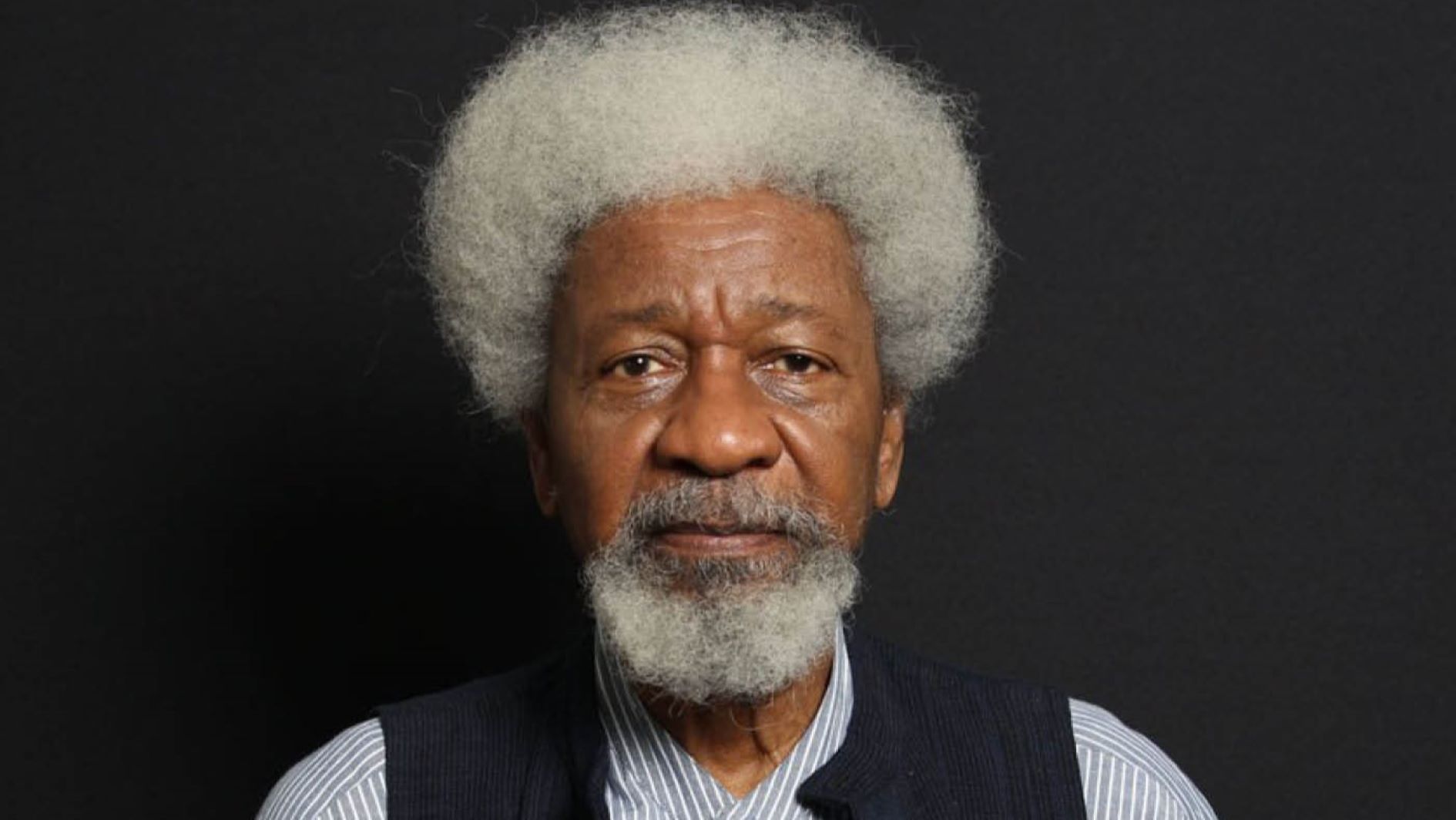
Under Soyinka’s leadership, the department was established not merely as an academic exercise, but as a living workshop to redefine post-colonial African drama. Moving away from traditional Western models, the curriculum integrated Yoruba ritual aesthetics, oral tradition, dance, music, and social critique.
It was during his tenure at Ife that Soyinka expanded the Guerrilla Theatre Unit in 1978, bringing politically charged satirical plays directly to public spaces, markets, and streets to confront corruption and state overreach. The department’s famous open-air Pit Theatre became an iconic stage where legendary plays—including Death and the King’s Horseman—were rehearsed and performed, leaving an indelible mark on Nigerian university culture.
Over the past 50 years, OAU’s Department of Dramatic Arts has trained generations of prominent playwrights, directors, actors, scholars, and media producers who dominate Africa’s creative industries including Prof. Ahmed Yerima, the late Dr. Kola Oyewo,the late Dr. Tejumola Olaniyan. Other notable alumni include Yemi Solade, Yemi Sodimu, Segun Arinze and the afrobeats crooner, Ahmed Ololade, known famously as Asake.
Between 1982 and 1996, the school was part of the universities that celebrated the best of theatre by Nigerian students in what was tagged Nigerian Universities Theatre Arts Festival (NUTAF), which provided the country the cream of actors for Nollywood.
Speaking on the anniversary, the current head of department, Dr. Toyin Bifarin, highlighted the Golden Jubilee as a moment to reflect on the department’s founding ethos: using drama as an instrument for human rights, civic awareness, and social transformation.
“The Department of Dramatic Arts, Obafemi Awolowo University (OAU) Ile-Ife has been the breeding ground for some of the most influential figures in African literature and performing arts. We are excited to celebrate its 50 years of excellence.”
The flagoff ceremony held November 12 at the Pit Theatre with unveiling of the official logo for the anniversary at the Pit Theatre, OAU. The anniversary lecture is scheduled to hold on January 12, 2027.
The anniversary lecture would be delivered by Prof. Bode Sowande and the panellists session would be moderated by Prof. Ahmed Yerima and Paulyn Ugbodaga.
A four-day celebration featuring a major homecoming gala will be held in the first quarter of 2027. It will conclude Variety Night, Academic Session, Juma’at Service Campus Excursions, Veterans Day, Grand 50th Gala Dinner, Fundraiser and an interdenominational service at OAU, Ile Ife.
The celebration is expected to bring together alumni, cultural icons, theatre practitioners, and scholars from around the globe to honour the department’s foundational history and explore the future of African performance in the digital age.
Members of the alumni association are calling on government, corporate bodies and distinguished individuals to support the institution which currently holds a capacity of 900 students. The infrastructure deficit has remained one of the most daunting challenges with sustaining qualitative education at the department.
At the moment, there is a need to renovate the theatre and install modern lighting and sound equipment for performances, toilets and changing rooms for performing students and lecturers, radio, podcast and film studio and a tour bus for performances.